




Understanding Fire Rated Hinges: Why They Matter More Than Ever
If you’ve ever glanced at a fire door and wondered what makes it different from a regular one, the hinges might not be the first thing on your mind. But here’s the catch: fire rated hinges are the unsung heroes that hold together safety and durability when fire strikes. Globally, as urbanization accelerates and building codes tighten, understanding these components isn’t just for architects or contractors—it’s crucial for anyone invested in life-safety infrastructure.
From smart city projects in Europe to rapidly expanding skyscrapers in Asia, the demand for reliable fire rated hinges is rising. The benefit? They not only withstand high temperatures but also ensure doors remain intact, helping contain fire and smoke. Simply put, they play a huge role in saving both property and lives.
Why Fire Rated Hinges Are a Global Industry Staple
As the UN's data on urban disasters and fire incidents shows, fires cause tens of thousands of deaths yearly worldwide, and millions in economic losses (1). The World Bank highlights that fire safety is a key component in sustainable urban development. In this landscape, fire rated hinges emerge as a seemingly small but vital part of building fire protection systems.
In fact, modern regulations like ISO 834 and EN 1935 lay down rigorous standards for these hinges to ensure they don’t fail under extreme heat. Many manufacturers now report sharp rises in demand across North America, Europe, and emerging markets, partially driven by enhanced fire codes and insurance requirements.
Yet challenges remain: how to combine durability with cost-effectiveness, and how to support various door materials—from steel to timber—while maintaining ease of installation. It’s quite the puzzle.
What Exactly Are Fire Rated Hinges?
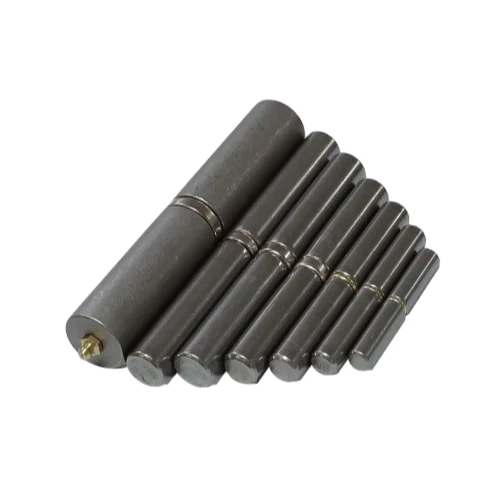
In essence, fire rated hinges are heavy-duty hardware components designed to support fire doors that block flames and smoke for a specified duration, often ranging from 30 minutes up to 3 hours. Their construction typically involves heat-resistant metals and sometimes special intumescent coatings that help maintain structural integrity when exposed to high temperatures.
Unlike standard hinges, they are tested and certified to hold up during fire scenarios, preventing doors from warping, sagging, or falling off. This is critical because even the tiniest gap caused by door distortion can let dangerous smoke and heat pass through, jeopardizing evacuation routes.
Modern industry and humanitarian needs—from hospital isolation wards to refugee camp shelters—depend on these hinges in ways people often overlook. They’re a key link in the chain of safety mechanisms.
Key Factors That Make Fire Rated Hinges Tick
1. Durability and Materials
Fire rated hinges must be forged from high-grade steel alloys or stainless steel that endure intense heat without losing shape or strength. Some also incorporate ball bearings to enable smooth operation despite heavy, fire-resistant doors.
2. Fire Resistance Ratings
The hinges are rated based on how long they maintain performance under fire: typically 60, 90, or 180 minutes. These ratings align with the fire resistance of the door and the surrounding structure, forming a complete barrier.
3. Corrosion Resistance
A surprising but important aspect is long-term corrosion resistance, especially for outdoor or coastal installations. Many hinges have zinc or special coating finishes to avoid rust, which could otherwise compromise safety.
4. Installation Compatibility
They come in various sizes and weight ratings to suit different door materials and thicknesses. Some models offer adjustable features to simplify fitting in retrofits — a feature that can save hours on site.
5. Aesthetic Design
While safety is king, many architects also seek fire rated hinges that blend visually with door hardware, often with satin nickel or bronze finishes.
Fire Rated Hinges in Action: Global Applications
Talking about real-world impact — in high-risk industrial plants in the US or government buildings in Europe, fire rated hinges are a mandatory part of fire doors. In post-disaster relief settings — say, after wildfires in Australia — temporary shelters must have functional fire barriers to protect displaced families.
In rapidly urbanizing zones of Southeast Asia, where high-rises mingle with stringent fire codes, the quality of fire rated hinges can literally determine if an evacuation is orderly or chaotic. Even healthcare facilities worldwide rely on these hinges to keep isolation rooms safe during emergencies.
- Hospitals and healthcare zones
- Schools and educational institutions
- High-rise apartments and offices
- Industrial manufacturing plants
- Public transportation hubs
These hinges aren’t just hardware; they’re a building’s quiet line of defense.
Mini Takeaway:
Fire rated hinges may seem like a footnote, but their role is central in safeguarding people and assets in countless global scenarios.
Advantages and Long-Term Value of Choosing Fire Rated Hinges
From a cost perspective, investing in certified fire rated hinges reduces long-term expenses like repairs and liability. The reliability factor fosters peace of mind—knowing that these components won’t fail when they matter most.
Socially, they contribute to community wellbeing—safer buildings mean fewer tragedies and disruptions. This builds trust between occupants, insurers, and regulators alike.
Environmentally, durable fire rated hinges mean fewer replacements and less waste, which ties neatly into sustainability goals many construction projects embrace today.
Realistic Product Specification Table
| Specification | Value |
|---|---|
| Material | Stainless Steel 304 |
| Fire Resistance Rating | 90 Minutes (EN 1935) |
| Max Door Weight | 120 kg per hinge |
| Finish | Satin Nickel |
| Dimensions (HxWxD) | 100mm x 75mm x 3.2mm |
| Bearing Type | Ball Bearing |
Vendor Comparison: Top Fire Rated Hinges Providers
| Feature | Vendor A | Vendor B | Vendor C |
|---|---|---|---|
| Fire Rating | 60 minutes | 90 minutes | 120 minutes |
| Material | Steel Alloy | Stainless Steel | Titanium Coated Steel |
| Weight Capacity (per hinge) | 100 kg | 120 kg | 140 kg |
| Finish | Zinc Plated | Satin Nickel | Matte Black |
| Price Range | $15–$20 | $22–$28 | $30–$35 |
| Warranty | 1 Year | 3 Years | 5 Years |
Future Trends in Fire Rated Hinges
Oddly enough, as buildings get smarter, so do their hinges. We’re seeing an increase in integration of sensors that monitor door status in real time, feeding data to building management systems. Imagine a hinge that can signal if a door has warped or a seal has failed. This kind of automation could revolutionize fire safety checks.
In materials research, some manufacturers are experimenting with ceramics or composite alloys that resist even higher temperatures while reducing weight. Sustainable production methods, including recycled metals, are also gaining traction.
More eco-conscious buildings worldwide are influencing hinge design to balance strength with minimal environmental impact—a nod to green building certifications like LEED and BREEAM.
Challenges & Solutions: What’s Holding Back Some Fire Rated Hinges?
Truth be told, cost is the biggest hurdle. Premium hinges can add upfront expenses that some builders try to skirt, risking safety. Also, retrofit installations get tricky when doors don’t match hinge standards precisely.
Luckily, modular and adjustable hinges help bridge this gap. Innovative surface treatments prevent corrosion even in harsh environments, and bulk purchasing is making quality fire rated hinges more accessible.
Fire rated hinges that marry affordability with performance are becoming the norm, not the exception.
Quick FAQ
- Q: How long do fire rated hinges last in typical commercial buildings?
A: With proper maintenance, they often last 10–15 years or more, but regular inspections are key to ensure no warping or corrosion has occurred. - Q: Can I use fire rated hinges on wooden fire doors?
A: Absolutely. Many hinges are designed to accommodate timber as well as steel doors, though you should verify manufacturer specs for weight and compatibility. - Q: Are specialized tools needed for installation?
A: Generally no. Most come with standard mounting hardware, though fire-rated doors and frames often require certified professionals to guarantee code compliance. - Q: Do fire rated hinges require certification for building inspections?
A: Yes. Buildings must use hinges tested to recognized standards (e.g., EN 1935, UL 10C) to pass fire safety compliance audits.
Wrapping It Up: Why Fire Rated Hinges Are Worth the Investment
From boosting building resilience to saving lives during fires, these hinges are a small piece of hardware with outsized importance. Their long-lasting durability, adaptability, and evolving technological options make them a smart choice for anyone serious about fire safety.
For those looking for reliable, certified fire rated hinges, it pays to work with experts who know both quality and practical installation challenges. Because when the unexpected happens, every minute—and every hinge—counts.
References
-
Heavy Duty Ramp Gate Hinges Guide for Industrial EquipmentNewsApr.16,2026
-
Guide to Selecting the Right Ramp Door Spring Hinge for TrailersNewsApr.09,2026
-
Comprehensive Guide to Livestock Trailer Gate Hinges for Durable PerformanceNewsApr.07,2026
-
Choosing the Right Heavy Duty Hinges for Ramps A Comprehensive GuideNewsApr.04,2026
-
Comprehensive Guide to Choosing the Right Enclosed Trailer Ramp Door Extension HingeNewsMar.31,2026
-
Comprehensive Guide to Bi Fold Trailer Gate Hinges for Optimal PerformanceNewsMar.28,2026
-
Comprehensive Guide to Durable Aluminum Trailer Ramp Hinges for Optimal PerformanceNewsMar.26,2026