




Nov . 30, 2025 02:20
Back to list
Jewelry Box Hinges: The Hidden Hero of Elegant Craftsmanship
What Are Jewelry Box Hinges and Why They Matter More Than You Think
Ever paused to appreciate the humble jewelry box hinge? It might seem like a tiny component, barely worth a second thought. But if you’ve ever owned a fine jewelry box, you know these hinges are the unsung heroes—making sure the lid opens smoothly, closes securely, and keeps precious treasures safe. Globally, the production and innovation in jewelry box hinges reflect an industry that blends craftsmanship with precision engineering. Beyond aesthetics, understanding jewelry box hinges sheds light on a fascinating intersection of mechanical design, materials science, and cultural tradition. Plus, the right hinge means the difference between a box you cherish for decades and one that disappoints after a few uses.The Global Context: Why Jewelry Box Hinges Command Attention
Globally, the small hardware market—hinges included—is a multi-billion-dollar industry underpinning countless sectors from furniture to automotive manufacturing. When zooming in on jewelry boxes specifically, a 2022 report by the International Hardware Federation estimated the fine hinge segment steadily growing at around 4% annually, driven by rising middle-class consumers preferring luxury goods across Asia, Europe, and North America. Yet, a common challenge persists: producing hinges that marry durability with elegance and affordability without compromising quality. Jewelry box hinges might seem niche, but their role extends far beyond: they influence packaging sustainability (no more broken boxes tossed out), impact manufacturer costs, and even touch artisan legacy — say, the difference between handcrafted and mass-produced boxes. So, when you think of jewelry box hinges, consider them a small cog in a large, global machine of design and supply.What Exactly Are Jewelry Box Hinges?
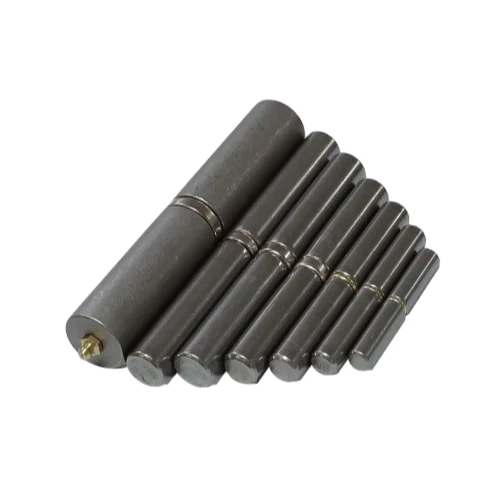
Simply put, jewelry box hinges are the pivot points that connect the lid of a jewelry box to its base, allowing movement while securing the parts together. Unlike standard cabinet hinges, these are designed to operate quietly and elegantly, avoid snagging soft materials inside, and often sport decorative finishes—gold, brass, nickel, or even antique patina—to match the box’s aesthetic. Beyond their mechanical function, jewelry box hinges represent the intersection of traditional craftsmanship and modern manufacturing techniques. Their connection to broader manufacturing trends—precision stamping, CNC machining, and surface treatments—mirrors many other small-scale hardware innovations seen globally.Mini Takeaway:
Jewelry box hinges blend form and function, delivering much more than a mechanism—they support aesthetics, durability, and even the emotional value of the jewelry container.Key Features to Look for in Jewelry Box Hinges
Durability
Durability is critical. Many engineers say that a hinge’s ability to withstand frequent opening and closing cycles — often thousands over a product’s lifetime — distinguishes high-quality options. Materials like brass and stainless steel dominate for corrosion resistance and strength.Design & Finish
Fine jewelry box hinges feature various designs: inset, piano, butt, or decorative hinges. Finishes vary, too: polished gold, matte nickel, or antique brass. This isn’t just about looks. The right finish can prevent metal fatigue and resist tarnishing.Size & Fit
Oddly enough, fit can make or break the entire box experience. Hinges must align perfectly without causing gaps or forcing lids awkwardly. Custom designs are increasingly popular, especially for artisanal jewelers.Cost Efficiency
While many might think that the hinge is a humble accessory, manufacturers face constant pressure to balance cost with quality. Efficient mass production methods like stamping have lowered prices, but premium segments still rely heavily on fine finishing.Ease of Installation
In modern factories or smaller workshops, hinges need to be quick to assemble — often with standardized screw holes or snap-fit designs. This smooths production without sacrificing elegance or durability.Materials & Sustainability
As sustainability becomes a bigger priority, eco-friendly materials and coatings are creeping into the hinge market. Some companies now offer recycled metals or non-toxic finishes to help brands stand out.Mini Takeaway:
The best hinges balance durability, design, fit, cost, and ease of assembly — with sustainability emerging as a new player on the scene.Jewelry Box Hinges in Real-World Applications
In regions famed for craftsmanship—Italy, India, and Japan—jewelry box hinges still carry the pride of hand-tool makers. Here, the tiniest hinge can signify a legacy passed down through generations. Meanwhile, factories in China and Taiwan pump out millions of hinges yearly for global brands demanding cost efficiency and standardization. Interestingly, NGOs supplying ornate keepsake boxes to post-conflict zones or disaster relief beneficiaries pay close attention to hinge quality. A box that breaks or won’t close properly can mean more than spoiled possessions—it can signify loss of dignity. Even luxury brands calibrate hinge specs carefully, sometimes investing in bespoke hardware.Jewelry Box Hinges: Technical Specifications at a Glance
| Specification | Description |
|---|---|
| Material | Brass, Stainless Steel, Zinc Alloy |
| Finish | Polished Gold, Matte Nickel, Antique Brass, Chrome |
| Opening Angle | Up to 180 degrees |
| Load Capacity | Up to 5kg per hinge |
| Lifespan | ~20,000+ open/close cycles |
| Installation Method | Screw mount, press-fit, or adhesive |
Comparing Top Vendors of Jewelry Box Hinges
| Vendor | Country | Product Range | Lead Time | Customization |
|---|---|---|---|---|
| AoBang Metal | China | Wide (standard & custom) | 2-3 weeks | Yes |
| HingesDirect Inc. | USA | Premium & artisan lines | 1-2 weeks | Limited |
| MetalCraft Global | India | Mid-range, bulk orders | 3-4 weeks | Yes |
What Are the Real Advantages of Good Jewelry Box Hinges?
You might be surprised how much comfort good hinges bring. First, they protect your valuables by ensuring the box opens and closes silently and safely. This preserves the box’s lifespan, preventing the frustration of a stuck lid or a hinge that squeaks loudly every time you open it. On a more emotional note, quality hinges elevate the user experience. They say that a jewelry box is often a personal keepsake, passed around generations, storing memories as much as precious gems. Reliable hinges preserve the dignity of these objects; they do not betray you by snapping mid-use. From a business perspective, investing in sturdy hinges translates to fewer returns, happier customers, and lower replacement costs. It’s a win-win if you think about it.What’s Next? Emerging Trends in Jewelry Box Hinges
Sustainability is big. More manufacturers are exploring recycled metals and water-based finishes to reduce environmental impact. Some players have ventured into smart hinges — yes, tiny sensors integrated into hinges that monitor box usage and even detect tampering. Sounds futuristic? It’s just around the corner. Automated CNC machines now enable ultra-precise hinge production at scale, enabling even smaller artisan workshops to compete on quality. Digital transformations, like QR codes etched on hinge plates, could soon tell the story of a box’s origin, craftsmanship, and materials — enhancing authenticity.Challenges in Jewelry Box Hinge Manufacturing & How to Overcome Them
Despite advances, challenges persist. For example, balancing mass production with high finish quality is tricky. Low-cost hinges sometimes sacrifice corrosion resistance or smooth action. Another issue is designing hinges compatible with ever-thinner boxes without compromising strength. The solution? Partnering with manufacturers like AoBang Metal that offer custom solutions blending technology and artisan input. Also, adopting modular hinge designs helps reduce tooling costs and speeds ramp-up.FAQs About Jewelry Box Hinges
Q1: What materials are best for jewelry box hinges?A: Brass and stainless steel are popular due to their corrosion resistance and durability. Zinc alloys are common in budget models but may not last as long. Coating finishes also impact longevity. Q2: Can I customize the finish of my hinges?
A: Absolutely. Most quality vendors offer various finishes like antique brass, polished nickel, or matte gold to match your box aesthetic. Q3: How long do jewelry box hinges usually last?
A: Good hinges can handle upwards of 20,000 open-close cycles, often equating to several decades of use under normal conditions. Q4: Are there eco-friendly jewelry box hinges available?
A: Yes, some manufacturers produce hinges from recycled metals and use non-toxic finishes to promote sustainability. Q5: How difficult is installation?
A: Installation varies; most hinges are screw-mounted and straightforward to fit with basic tools. Some modern snap-fit designs simplify the process even more.
Wrapping Up: Why Jewelry Box Hinges Are Essential
To sum it up, jewelry box hinges might be small, but they carry enormous weight in terms of function, craftsmanship, and even emotional value. Choosing the right hinges means investing in durability, elegance, and a lifetime of treasured memories. If you are selecting hinges for your product line or just curious, trust me—this tiny mechanism is both art and science mixed in metal. For more on quality jewelry box hinges, visit AoBang Metal’s official website to explore options suited to all tastes and budgets. After all, your treasures deserve the best.Mini Takeaway:
Never underestimate small things—they often hide the biggest stories and impacts.References
Latest news
-
Heavy Duty Ramp Gate Hinges Guide for Industrial EquipmentNewsApr.16,2026
-
Guide to Selecting the Right Ramp Door Spring Hinge for TrailersNewsApr.09,2026
-
Comprehensive Guide to Livestock Trailer Gate Hinges for Durable PerformanceNewsApr.07,2026
-
Choosing the Right Heavy Duty Hinges for Ramps A Comprehensive GuideNewsApr.04,2026
-
Comprehensive Guide to Choosing the Right Enclosed Trailer Ramp Door Extension HingeNewsMar.31,2026
-
Comprehensive Guide to Bi Fold Trailer Gate Hinges for Optimal PerformanceNewsMar.28,2026
-
Comprehensive Guide to Durable Aluminum Trailer Ramp Hinges for Optimal PerformanceNewsMar.26,2026