




The Ultimate Guide to Selecting the Right Ramp Door Spring Hinge
When designing or maintaining heavy-duty trailers and equipment, the hardware used for entry and exit points is critical for both safety and efficiency. A high-quality ramp door spring hinge serves as the backbone of the door mechanism, providing the necessary tension and support to ensure smooth operation. Whether you are dealing with automotive transport or industrial cargo, the right hinge prevents accidental door drops and reduces the physical effort required for loading. In this guide, we will explore the technical nuances of spring-loaded hinges, their material advantages, and how to choose the perfect component for your specific application to maximize longevity and performance.
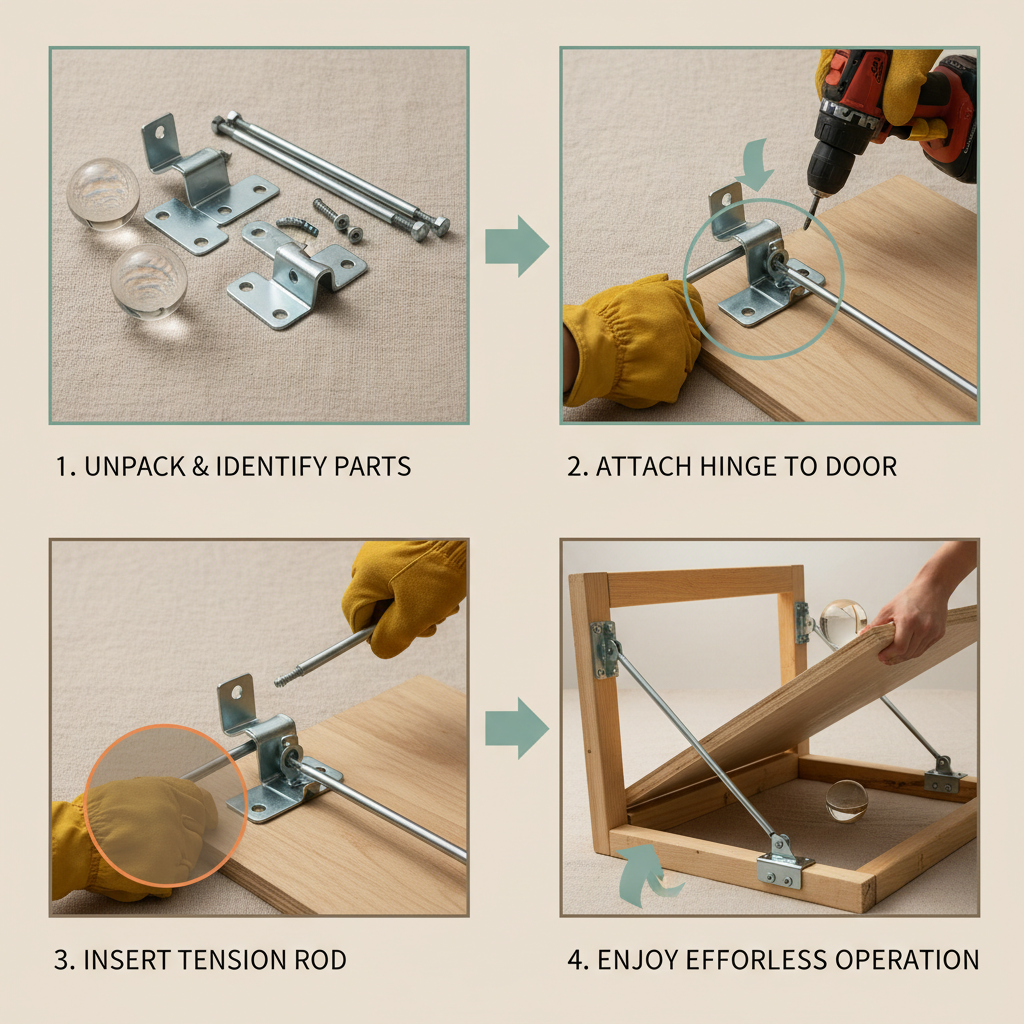
How a Ramp Door Spring Hinge Enhances Operational Safety
The primary function of a ramp door spring hinge is to counteract the weight of the ramp. Without the integrated spring mechanism, a heavy steel door could slam shut unexpectedly, leading to severe equipment damage or workplace injuries. By storing potential energy when the door is closed and releasing it during the opening phase, these hinges provide a "counterbalance" effect. This not only makes the door easier to lift but also holds it in place more securely. For operators who open and close ramps dozens of times a day, this reduction in physical strain is invaluable, leading to higher productivity and reduced fatigue.
Safety Tip: Always inspect the tension of your spring hinges every six months. A worn-out spring can lose its load-bearing capacity, increasing the risk of the ramp falling abruptly.
Material Durability and Corrosion Resistance
Trailers are constantly exposed to harsh environments, including road salt, rain, and humidity. Therefore, the material composition of the ramp door spring hinge is paramount. Most professional-grade hinges are manufactured from high-carbon steel or stainless steel to ensure structural integrity. To further enhance lifespan, these components are often treated with zinc plating or powder coating. This protective layer prevents oxidation (rust), which could otherwise seize the hinge pin or weaken the spring, leading to mechanical failure. Choosing a hinge with superior surface treatment ensures that your equipment remains operational even in the most corrosive coastal or winter climates.
Comparing Ramp Door Spring Hinge Types
Not all hinges are created equal. Depending on the weight of the door and the frequency of use, you may choose between heavy-duty industrial springs or light-duty commercial versions. The main difference lies in the spring gauge and the thickness of the hinge plates. A heavy-duty ramp door spring hinge is designed for wide, thick steel ramps used in car haulers, whereas light-duty versions are suited for smaller utility trailers. The following table provides a clear comparison to help you identify the right specification for your project.
Installation Best Practices for Spring Hinges
Installing a ramp door spring hinge requires precision to ensure the tension is evenly distributed. First, ensure the mounting surface is flat and free of debris to prevent misalignment. Using high-grade bolts and locking washers is essential, as the constant vibration of road travel can loosen standard fasteners. Furthermore, it is recommended to install hinges in pairs or sets of four to balance the weight of the ramp across the door frame. Misaligned hinges not only cause the door to squeak but also put uneven pressure on the spring, which can lead to premature failure and a dangerous loss of tension.
Technical Specifications of a Premium Ramp Door Spring Hinge
When ordering parts from a professional supplier, understanding the technical data sheet is crucial. A premium ramp door spring hinge is defined by its spring rate (the amount of force required to compress the spring) and its pivot diameter. Higher pivot diameters generally offer better stability and less friction. Below is a specification table for our standard industrial model, illustrating the balance between strength and functionality.
Conclusion: Optimizing Your Equipment with Quality Hardware
Choosing a high-performance ramp door spring hinge is not just about finding a part that fits; it is about investing in the long-term safety and reliability of your trailer. From material selection and corrosion resistance to precise installation, every detail contributes to a seamless user experience. By prioritizing industrial-grade components and adhering to a strict maintenance schedule, you can ensure that your ramp doors operate effortlessly for years to come. For the best in metal hardware solutions, trust professional manufacturing standards to keep your business moving.
Frequently Asked Questions (FAQs)
How do I know when to replace my ramp door spring hinge?
You should consider replacing your hinge if you notice any of the following signs: the ramp feels significantly heavier to lift, the door "slams" shut more quickly than before, or there is visible rust and pitting on the spring coil. Additionally, audible grinding or squeaking sounds often indicate that the internal lubrication has failed or the pin is worn. Replacing a weakening spring before it snaps is critical for preventing accidents and ensuring the safety of the operator.
Can I adjust the tension of the spring hinge after installation?
Whether a hinge is adjustable depends on the specific model. Some industrial designs allow for tension adjustment via a tightening bolt or by swapping the spring coil for one with a higher rate. However, most standard ramp door spring hinges are pre-set based on the weight class of the door. It is highly recommended to calculate the weight of your ramp before purchasing to ensure the factory-set tension is appropriate for your specific load.
What is the best way to maintain these hinges for maximum life?
The most effective maintenance routine involves regular lubrication and cleaning. Use a high-quality lithium grease or a silicone-based lubricant on the pivot pins and spring coils every 3-4 months. This reduces friction and prevents moisture from penetrating the metal surface. Additionally, wash away salt and road grime with fresh water after trips in winter conditions. Keeping the hinge clean and lubricated can double the operational lifespan of the component and ensure a smooth, quiet action every time the ramp is used.
Is stainless steel always better than galvanized steel for these hinges?
Not necessarily. While stainless steel offers superior corrosion resistance—making it ideal for marine environments—galvanized high-carbon steel often provides higher tensile strength and better "spring memory" for extremely heavy loads. For most land-based transport, galvanized or powder-coated steel is the industry standard because it balances cost-effectiveness with sufficient durability. The choice depends on whether your primary concern is chemical/salt exposure or raw weight-bearing capacity.

-
Heavy Duty Ramp Gate Hinges Guide for Industrial EquipmentNewsApr.16,2026
-
Comprehensive Guide to Livestock Trailer Gate Hinges for Durable PerformanceNewsApr.07,2026
-
Choosing the Right Heavy Duty Hinges for Ramps A Comprehensive GuideNewsApr.04,2026
-
Comprehensive Guide to Choosing the Right Enclosed Trailer Ramp Door Extension HingeNewsMar.31,2026
-
Comprehensive Guide to Bi Fold Trailer Gate Hinges for Optimal PerformanceNewsMar.28,2026
-
Comprehensive Guide to Durable Aluminum Trailer Ramp Hinges for Optimal PerformanceNewsMar.26,2026
-
Comprehensive Guide to Durable Aluminum Trailer Gate Hinges Selection and BenefitsNewsMar.24,2026