




The Global Importance of Internal Door Hinges: A Subtle Yet Vital Detail
At first glance, internal door hinges might seem like insignificant fixtures in the vast world of construction and design. Yet, these small components quietly bear the weight of countless door movements daily, influencing not only the functionality but also the security and aesthetic harmony of any building. Globally, as urbanization accelerates and infrastructure standards rise, understanding internal door hinges becomes essential—not just for architects and builders, but for industries and humanitarian efforts alike.
Why? Because the durability and design of internal door hinges impact safety, longevity, and maintenance costs in housing, offices, hospitals, and even emergency shelters. Grasping their nuances leads to smarter choices, fewer replacements, and ultimately more sustainable solutions.
Context: Why Internal Door Hinges Matter Globally
The World Bank reports that over half of the world’s population now lives in urban areas—a number set to increase steadily through 2050. Each building, from high-rise apartments in Shanghai to rural clinics in Sub-Saharan Africa, features doors requiring reliable hinges. According to ISO standards, consistent hinge manufacturing directly influences building durability and user safety.
But challenges remain: in developing regions, substandard or poorly chosen hinges often lead to premature door failures—jeopardizing safety and increasing maintenance costs. In humanitarian contexts, quickly installing doors with dependable hinges in post-disaster shelters can uphold dignity and security for affected families.
So, within this global construction ecosystem, internal door hinges quietly solve the practical and social challenges of access, privacy, and protection.
What Exactly Are Internal Door Hinges?
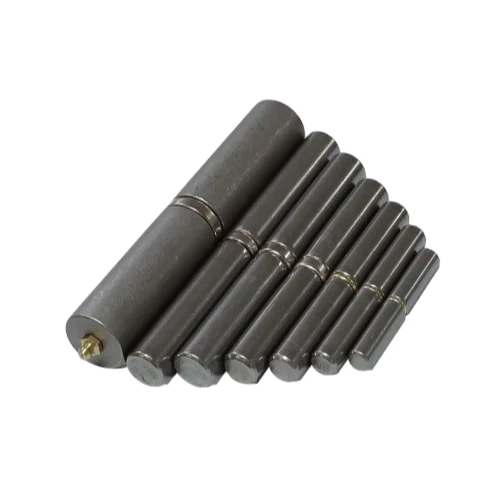
Simply put: internal door hinges are mechanical bearings that attach a door to its frame, allowing it to swing open and close smoothly inside a structure. Unlike external hinges exposed to harsh weather, these hinges function within indoor environments, tailored for controlled conditions.
Their design blends engineering precision with material science to withstand frequent use while minimizing noise and wear. In industries ranging from residential construction to healthcare facilities, internal door hinges are trusted components that help maintain structural integrity and operational efficiency.
Key Factors Determining Quality Internal Door Hinges
1. Material Durability
From stainless steel to brass alloys, the choice of material ensures resistance to rust and mechanical fatigue. Industrial-grade hinges enable longer lifespan and lower maintenance.
2. Load Capacity
Doors vary—from lightweight interior panels to heavy fire doors. The hinge must match load requirements to avoid sagging or deformation.
3. Design & Aesthetics
Many architects insist on hinges that complement door styles—concealed hinges for minimalist designs or decorative ones for heritage buildings.
4. Installation & Adjustability
Adjustable hinges simplify fitting and future alignment corrections, critical in dynamic environments like hospitals or schools where doors endure heavy daily use.
5. Compliance & Standards
Meeting ISO or ANSI standards ensures reliability, safety, and easier integration with fire safety and accessibility codes.
Where Are Internal Door Hinges Used Globally?
- Urban Residential Buildings: Everyday use demands quiet, low-maintenance hinges.
- Commercial Spaces: High traffic requires ultra-durable, adjustable fittings.
- Healthcare: Specialized hinges promote hygiene and accessibility.
- Post-Disaster Relief: Rapid-install hinges in temporary shelters support dignity and security.
- Remote Industrial Zones: Corrosion-resistant hinges withstand harsh climates enabling safety.
For example, in Japan’s earthquake-prone zones, hinges are engineered for added flexibility to avoid damage during tremors. Meanwhile, NGOs working in refugee camps depend on robust internal hinges that can be shipped easily and installed with minimal tools.
Practical Specifications to Consider in Internal Door Hinges
| Specification | Typical Range | Notes |
|---|---|---|
| Material | Stainless Steel, Brass, Zinc Alloy | Stainless steel preferred for moisture-prone areas |
| Weight Capacity | 15-50 kg per hinge | Depends on door size & number of hinges used |
| Opening Angle | 90°–180° | Wide opening hinges available for accessibility |
| Finish | Polished, Satin, Powder-Coated | Affects corrosion resistance & aesthetics |
| Adjustability | ±2 mm lateral/vertical | Simplifies installation & maintenance |
Vendor Comparison: Choosing the Right Supplier for Internal Door Hinges
| Vendor | Product Range | Quality Certifications | Lead Time | Average Price (per 100 units) |
|---|---|---|---|---|
| Aobang Metal | Standard & Custom Hinges | ISO 9001, CE | 2–4 weeks | $450 |
| Global Hinge Co. | Wide Range, Decorative | ISO 9001 | 3–6 weeks | $400 |
| Durahinge | Heavy-Duty Hinges | UL Listed, ISO 14001 | 4–8 weeks | $480 |
Advantages and Lasting Benefits of Quality Internal Door Hinges
Investing in high-quality internal door hinges means:
- Lower Maintenance Costs: Durable hinges reduce repairs, saving money and time.
- Enhanced Security: Strong hinges prevent forced entry, protecting occupants.
- Improved User Experience: Smooth, silent operation creates comfort and satisfaction.
- Environmental Impact: Longer-lasting hinges reduce waste and need for replacement.
- Social Benefits: In humanitarian shelters, reliable hinges offer privacy and dignity.
It’s both a logical choice—cutting costs and downtime—and an emotional one—ensuring safety and respect for users worldwide.
Looking Ahead: Innovation on the Horizon for Internal Door Hinges
The future of internal door hinges is quietly buzzing with innovation. For instance:
- Smart hinges integrating sensors for automated opening or security monitoring.
- Eco-friendly materials, such as recycled metals or bioplastics, lining up with sustainability targets.
- Anti-microbial coatings specially designed for healthcare environments.
- 3D printing allowing rapid customization and reduced waste in production.
As buildings get smarter and greener, the humble hinge also evolves — becoming part of a digitally connected, environmentally conscious built environment.
Challenges and Solutions in Selecting Internal Door Hinges
Choosing the right internal door hinges is not without pitfalls: supply chain delays, improper sizing, or choosing based solely on cost are common stumbling blocks. Oddly enough, many problems start at installation, where inexpert fitment reduces hinge lifespan.
Expert advice suggests:
- Always match hinge specs to door weight and frequency of use.
- Invest in adjustable hinges to allow for shifts in alignment over time.
- Buy from certified vendors who provide clear quality documentation.
- Consider application-specific options — such as fire-rated or soundproofing hinges — for niche needs.
FAQ: Frequently Asked Questions About Internal Door Hinges
Q1: How do I choose the right internal door hinge for heavy doors?
A: Look for heavy-duty hinges made from stainless steel or brass with a higher load rating (often 40kg+ per hinge). Ensure you use enough hinges—usually three or more—to distribute weight evenly and prevent sagging.
Q2: Can internal door hinges be adjusted after installation?
A: Yes. Many modern internal door hinges come with adjustment screws for lateral, vertical, and depth alignments. This flexibility helps maintain perfect door fit and operation over time, especially in buildings that settle or shift.
Q3: Are internal door hinges compatible with fire-rated doors?
A: Only specific internal door hinges should be used on fire-rated doors. These hinges comply with fire safety standards (e.g., UL listings) and must be installed per code to maintain door integrity during fire events.
Q4: How important is the finish on internal door hinges?
A: The finish protects hinges from corrosion and enhances aesthetics. In kitchens or bathrooms, polished or powder-coated finishes resist moisture better, while satin finishes reduce visible fingerprints in high-touch areas.
Q5: Where can I find reliable suppliers for custom internal door hinges?
A: Established manufacturers like Aobang Metal offer customizable internal door hinges with assured quality and certifications. They often provide design support and flexible production runs, ideal for specialized projects.
Final Thoughts: More Than Just Moving Parts
Internal door hinges embody an overlooked blend of engineering, design, and practicality that quietly supports the fabric of buildings worldwide. Whether in skyscrapers or emergency shelters, their quality shapes safety, comfort, and sustainability for the long haul.
To explore a comprehensive range of high-quality, customizable hinges designed for modern needs, visit Aobang Metal today and discover how the right hinge can turn a simple door into a trusted portal.
References
-
Heavy Duty Ramp Gate Hinges Guide for Industrial EquipmentNewsApr.16,2026
-
Guide to Selecting the Right Ramp Door Spring Hinge for TrailersNewsApr.09,2026
-
Comprehensive Guide to Livestock Trailer Gate Hinges for Durable PerformanceNewsApr.07,2026
-
Choosing the Right Heavy Duty Hinges for Ramps A Comprehensive GuideNewsApr.04,2026
-
Comprehensive Guide to Choosing the Right Enclosed Trailer Ramp Door Extension HingeNewsMar.31,2026
-
Comprehensive Guide to Bi Fold Trailer Gate Hinges for Optimal PerformanceNewsMar.28,2026
-
Comprehensive Guide to Durable Aluminum Trailer Ramp Hinges for Optimal PerformanceNewsMar.26,2026