




Black Hinges: The Small Component with a Big Global Impact
Black hinges might seem like a modest player in the grand scheme of industrial or consumer products, but their role is pivotal—and globally significant. From rugged industrial doors in harsh environments to sleek residential cabinetry, these seemingly simple components ensure durability, security, and aesthetic appeal. Understanding black hinges not only opens the door to better design choices but also contributes to sustainability, cost efficiency, and safety worldwide.
A World That Hinges on Black Hinges
Black hinges are surprisingly everywhere. According to global manufacturing reports, the hardware market for hinges has grown steadily with a compound annual growth rate nearing 5% worldwide—no small feat given the current supply chain challenges. Doors and cabinetry need reliable hinges whether in booming urban Asia, industrial hubs in Europe, or developing infrastructure in Africa. Their presence is critical in everything from construction to automotive industries.
Yet, challenges abound: corrosion, wear and tear, and unsuitable material finishes cause premature failure. This leads to costly repairs and safety risks. Black hinges, often powder-coated or treated with anti-corrosive finishes, help meet these challenges head-on, ensuring that doors and panels operate smoothly under various conditions.
What Exactly Are Black Hinges?
To keep it simple: black hinges are types of mechanical bearings that connect two solid objects, typically a door and its frame, enabling them to rotate relative to each other. Their black finish usually refers to a powder coating, anodizing, or chemical treatment that resists corrosion and enhances aesthetics.
More than just hardware, black hinges signify a broader industrial trend towards durable, adaptable components tailored for modern needs, from humanitarian shelters to high-tech manufacturing floors.
Mini Takeaway:
Black hinges combine functionality and finish, serving as a foundation for reliable and lasting installations across industries worldwide.
Core Components Defining Black Hinges
Durability
Durability is the linchpin. Black hinges must resist environmental stressors — from moisture and saltwater spray to UV radiation in sunny climates. Made of stainless steel or heavy-duty alloys with black powder coatings, they withstand wear longer than their bare metal cousins.
Material Quality
Common base materials include steel, stainless steel, brass, and sometimes aluminum, depending on application. The black finish is more than cosmetic; it enhances resistance to corrosion and abrasion.
Load Capacity
Depending on their use—from cabinet doors to heavy gates—black hinges come rated to support various weights and pressures, providing optimal safety and smooth operation.
Design Variety
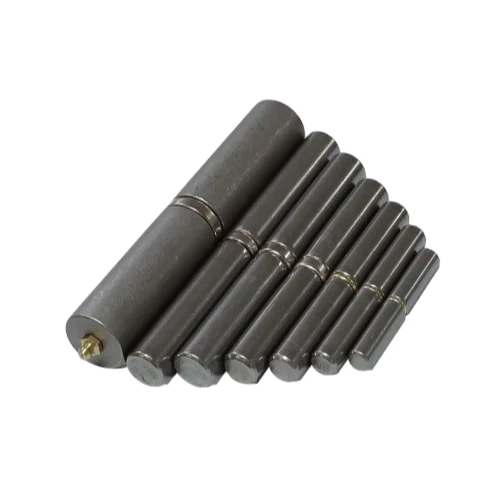
Available in butt, continuous, piano, strap, and concealed types, black hinges adapt to aesthetic and functional needs. For instance, concealed black hinges offer a seamless look in modern furniture, while strap hinges provide ruggedness to outdoor gates.
Cost Efficiency
The black finish typically reduces maintenance costs by extending component life. This translates to fewer replacements and downtime, a factor often overlooked in project budgeting.
Installation Ease
Precision drilling, pre-drilled holes, and compatibility with common hardware sets reduce install time, especially critical in large-scale construction or modular building projects.
Mini Takeaway:
The right combination of materials, finish, design, and load rating makes black hinges a smart choice in diverse settings.
Global Applications & Use Cases of Black Hinges
Black hinges find uses in various industries. Here are some notable places where their impact reverberates:
- Post-disaster relief: Rapid-deploy shelters often feature black hinges because they can endure rough handling and unpredictable weather.
- High-rise construction in Asia: Steel-framed doors with weather-resistant black hinges help ensure safety in humid or coastal environments.
- Industrial zones in North America: Heavy-duty machinery access panels rely on black hinges to withstand repetitive motions and vibrations.
- Home furnishings globally: Cabinets or furniture use sleek black concealed hinges, blending durability with modern style.
Regions like India, China, the US, and EU countries lead in manufacturing and deploying black hinges, supported by industry standards and evolving regulations.
Mini Takeaway:
From emergency shelters to elegant cabinetry, black hinges prove their versatility and essentiality worldwide.
Advantages and Long-Term Value of Black Hinges
Let’s talk benefits:
- Cost Savings: Their enhanced durability means fewer replacements or repairs.
- Sustainability: Long-lasting finishes reduce waste and lower environmental impact associated with manufacturing new parts.
- Safety: Dependable hinges prevent accidents due to failures or abrupt detachments.
- Design Appeal: A tasteful black finish serves both practical and aesthetic purposes.
- Trust & Reliability: Users and builders alike have confidence in equipment and infrastructure connected by quality hinges.
Frankly, the intangible value—peace of mind from trustworthy hardware—cannot be overstated.
Future Trends & Innovations in Black Hinges
Innovation never sleeps. Recent trends in black hinges include:
- Eco-Friendly Coatings: Shift towards powder coatings free of volatile organic compounds (VOCs).
- Smart Hinges: Embedded sensors that track wear or unauthorized access are emerging.
- Automation Integration: Hinges designed for robotic door systems in warehouses or factories.
- Lightweight Alloys: Combining strength with reduced weight, improving energy efficiency in movable assemblies.
Such innovations mean black hinges won’t just hold doors; they’ll hold data, safety, and even future tech.
Challenges & Solutions: The Realities Behind Black Hinges
Of course, no product is flawless. Challenges include:
- Corrosion Over Time: Some environments exceed black finish capabilities.
- Supply Chain Variability: Sourcing consistent quality materials worldwide can be tough.
- Cost Concerns: Premium hinges carry upfront costs that may deter budget-conscious projects.
Solutions? Manufacturers are increasingly adopting tighter quality control and regional production hubs. Advanced coatings and material blends aim to push durability much further, balancing upfront expense with lifecycle cost savings.
Product Specification Table
| Specification | Value | Notes |
|---|---|---|
| Material | Stainless Steel 304 | Corrosion resistant base metal |
| Finish | Black Powder Coat | Environmental and UV resistant |
| Load Capacity | Up to 80 kg per pair | Suitable for medium to heavy doors |
| Types | Butt, Piano, Concealed | Versatile applications |
| Temperature Range | -40°C to 120°C | Resistant to extreme climates |
| Installation Method | Screw-mounted | Compatible with standard hardware |
Vendor Comparison Table: Choosing the Right Black Hinge Supplier
| Vendor | Material Quality | Finish Options | Pricing | Lead Time | Certifications |
|---|---|---|---|---|---|
| Vendor A | High-grade SS 316 | Black powder coat, anodized | $$$ | 2 weeks | ISO 9001, RoHS |
| Vendor B | Standard SS 304 | Black powder coat only | $$ | 1 week | ISO 9001 |
| Vendor C | Mixed steel alloy | Basic black paint | $ | 3 weeks | None |
Common Questions About Black Hinges
Q1: How resistant are black hinges to outdoor corrosion?
Black hinges with powder-coated or anodized finishes typically offer strong corrosion resistance, especially when combined with stainless steel material. However, excessive salt exposure like coastal areas may require specialty grades such as SS 316. Regular maintenance will also prolong their lifespan.
Q2: Can black hinges support heavy industrial doors?
Yes, many black hinges are rated to handle significant weight, often up to 80 kilograms or more per pair depending on design. For industrial applications, continuous or strap black hinges are favored for their load distribution and durability.
Q3: Are black hinges suitable for indoor furniture as well as exterior doors?
Absolutely. Concealed black hinges are popular in modern cabinetry for their sleek appearance, while durable powder-coated butt hinges work well outdoors. The black finish helps maintain a clean look over time and offers protection.
Q4: Is custom sizing or finish available for black hinges?
Many manufacturers offer bespoke options on volume orders, including tailored sizes, thicknesses, and finish variations. This helps match specific needs for design or functional requirements.
Q5: Where can I learn about compliant black hinges for international projects?
International standards such as ISO 9001 and RoHS certification can guide compliance. Always ask your vendor for documentation and check regional building codes when selecting hardware.
Wrapping Up: Why Black Hinges Matter
When you stop to think about it, black hinges hold together much more than doors and panels—they hold economies, safety, and innovation in place. Their reliability touches everyday life and the most challenging industrial environments alike.
For anyone looking to invest in dependable, aesthetically versatile hardware, black hinges are a smart, forward-looking choice. And if you want to explore quality options that combine durability with sleek design, I’d recommend checking out black hinges from reputable suppliers. Sometimes, it’s the little things that make the biggest difference.
References
-
Heavy Duty Ramp Gate Hinges Guide for Industrial EquipmentNewsApr.16,2026
-
Guide to Selecting the Right Ramp Door Spring Hinge for TrailersNewsApr.09,2026
-
Comprehensive Guide to Livestock Trailer Gate Hinges for Durable PerformanceNewsApr.07,2026
-
Choosing the Right Heavy Duty Hinges for Ramps A Comprehensive GuideNewsApr.04,2026
-
Comprehensive Guide to Choosing the Right Enclosed Trailer Ramp Door Extension HingeNewsMar.31,2026
-
Comprehensive Guide to Bi Fold Trailer Gate Hinges for Optimal PerformanceNewsMar.28,2026
-
Comprehensive Guide to Durable Aluminum Trailer Ramp Hinges for Optimal PerformanceNewsMar.26,2026