




Understanding panel hinges: A Veteran’s Take
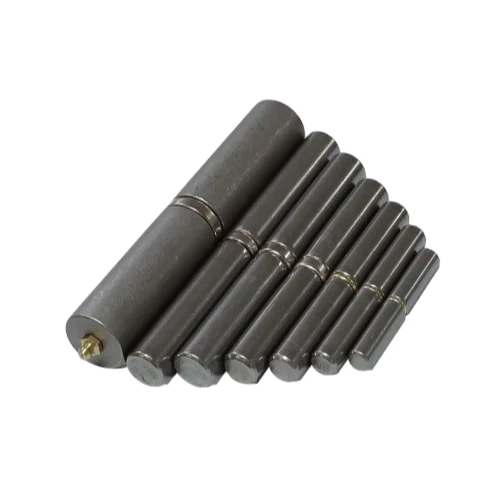
Having spent a solid decade in the industrial equipment sector, I’ve come to realize that some components quietly carry more weight than they get credit for. Panel hinges are a classic example. You rarely give them a second thought—until one fails unexpectedly. From factory control cabinets to outdoor electrical enclosures, these hinges play a key role in operational reliability, safety, and ease of maintenance.
Oddly enough, working with panel hinges is as much about understanding subtle design nuances as it is about raw durability. In real terms, they’re deceptively simple yet demand precision in material choice, finish, and load capacity.
Let me share some impressions from the shop floor: many engineers I've met are picky about hinge finishes—especially in corrosive or outdoor environments. Making sure the hinge resists rust is critical, else maintenance cycles explode. That's where stainless steel or zinc-plated variants tend to dominate.
Product Specifications are a handy way to gauge quality. Here’s a typical spec rundown for heavy-duty panel hinges I’ve worked with:
| Specification | Details |
|---|---|
| Material | 304 Stainless Steel / Zinc-plated Steel |
| Finish | Electroplated, Powder Coated, or Natural |
| Load Capacity | Up to 50 kg per pair |
| Pin Type | Removable or Fixed |
| Mounting | Flange, Welded, or Riveted |
| Operating Temperature | -40°C to +150°C |
Customization options are surprisingly rich. For instance, some customers request soft-close functionality or captive pins for added safety during maintenance. Honestly, these small add-ons can immensely improve the user experience when equipment doors are frequently accessed.
I suppose what really stands out is the testing process. Typically, high-quality panel hinges undergo thousands of open/close cycles, corrosion tests, and load stress experiments. I once worked on a project where the hinges had to survive a salt spray test for over 500 hours. Not everyone needs such extreme specs, but it’s a gauge for durability.
Now, choosing the right vendor is another story. You want reliability but also sensible lead times and cost effectiveness. Here’s a quick comparison I've seen between some common suppliers in the field:
| Vendor | Material Range | Customization | Delivery Speed | Price Range |
|---|---|---|---|---|
| Aobang Metal | Steel, Stainless, Zinc-Plated | High – Soft Close, Pins, Finishes | Fast (2–3 weeks) | Competitive |
| Vendor B | Limited to Zinc-Plated Steel | Basic | 4–6 weeks | Moderate |
| Vendor C | Stainless & Steel | Medium | 3–4 weeks | Slightly Higher |
Personally, I’ve collaborated with Aobang Metal several times, and their balance between quality, customization, and delivery has consistently met expectations. I remember a project where a client needed hinges with a special powder coating for a food industry application. Aobang was quick to suggest solutions and even offered samples for testing, which frankly eased the client’s concerns a lot.
In sum, selecting panel hinges isn’t just a checkbox in design. It feels like a fine blend of engineering, material science, and practical field experience. When the hinges get it right, the difference in uptime, access ease, and maintenance is palpable. When they don’t, well… you know how that story usually ends.
So next time you’re specifying panel hardware, take a moment with the hinges. They’re small, but they carry a big load of trust.
References:
- Industry standards on hinge durability and corrosion resistance (ISO 9227 Salt Spray Test)
- Material datasheets from stainless steel suppliers
- Customer feedback on panel hardware usability in industrial sites
-
Heavy Duty Ramp Gate Hinges Guide for Industrial EquipmentNewsApr.16,2026
-
Guide to Selecting the Right Ramp Door Spring Hinge for TrailersNewsApr.09,2026
-
Comprehensive Guide to Livestock Trailer Gate Hinges for Durable PerformanceNewsApr.07,2026
-
Choosing the Right Heavy Duty Hinges for Ramps A Comprehensive GuideNewsApr.04,2026
-
Comprehensive Guide to Choosing the Right Enclosed Trailer Ramp Door Extension HingeNewsMar.31,2026
-
Comprehensive Guide to Bi Fold Trailer Gate Hinges for Optimal PerformanceNewsMar.28,2026
-
Comprehensive Guide to Durable Aluminum Trailer Ramp Hinges for Optimal PerformanceNewsMar.26,2026