




Barn Door Hinges: Small Hardware with a Big Global Impact
When you think of barn door hinges, you might picture the rustic charm of an old farm door swinging open in the breeze. But oddly enough, these simple mechanical pivots carry significance far beyond country barns and cozy farmhouses. In fact, understanding barn door hinges brings insight into global supply chains, logistics, building innovation, and even humanitarian aid.
Why does it matter worldwide? Well, a robust, reliable hinge can mean the difference between doors that operate smoothly or structures that fail unexpectedly. In places where resources are scarce, durable hinges offer lasting security and convenience — essential for everything from storing food to sheltering families. So, let's open the door to why barn door hinges deserve a spotlight in the industrial and humanitarian arenas alike.
Understanding the Global Context of Barn Door Hinges
Globally, millions of doors hinge on products like barn door hinges every day — literally and figuratively. According to the International Organization for Standardization (ISO), quality hardware components like hinges must meet strict durability and safety standards to perform in diverse environments.
Here’s something interesting: The World Bank reports increasing rural-to-urban migration has surged demand for quick, reliable building hardware and modular housing solutions. Barn door hinges, often overlooked, play a role here. Yet challenges like corrosion in tropical climates or poorly engineered designs hinder efficiency, impacting everything from agricultural supply storage to disaster relief.
To put it plainly: Barn door hinges are a small piece of a much larger puzzle of infrastructure resilience and supply chain performance — essential links in both advanced economies and vulnerable regions.
What Are Barn Door Hinges?
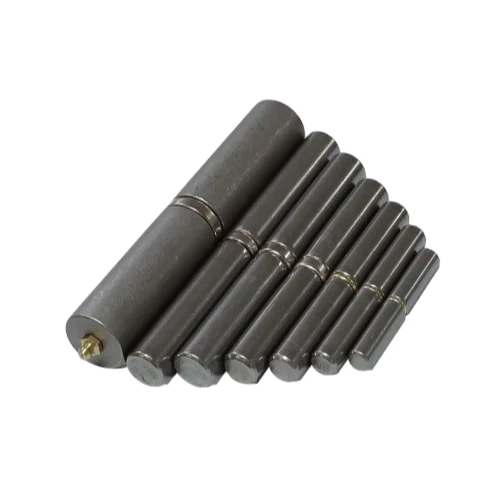
Simply put, barn door hinges are metal joints designed to connect a door to its frame, enabling it to swing open or shut with ease. Most commonly, these hinges feature two plates joined by a pin — a design prized for its simplicity and strength.
But the connection goes deeper. In modern industry, barn door hinges extend beyond agricultural use. They’re integral to warehouses, shipping containers, modular shelters, and even humanitarian housing projects that require quick setup and lasting durability.
Oddly enough, these hinges serve as a metaphor for pivotal connections — between design and function, tradition and innovation, security and accessibility.
Core Components that Define Quality in Barn Door Hinges
1. Durability and Material Composition
The choice of material often determines how well a hinge performs, especially under challenging conditions. Stainless steel, galvanized steel, and brass are common choices, each offering different corrosion resistance profiles. For example, stainless steel barn door hinges are favored in humid, coastal zones for their rust-proof nature.
2. Load Capacity and Weight Support
Not all doors are created equal. Barn doors can be hefty affairs — sometimes weighing up to 150 pounds or more. Thus, hinges need to support significant loads without warping or failing over time. Many manufacturers specify maximum door weight limits to help engineers pick the right model.
3. Installation Flexibility
In remote or makeshift environments, installation ease counts for a lot. Hinges with pre-drilled holes, adjustable pins, or universal mounting plates simplify onsite work, reducing labor hours and errors.
4. Aesthetic and Finishing Options
While function rules the roost, appearance isn’t ignored. Coatings like powder-coating or antique finishes cater to different market expectations, blending hardware seamlessly with building styles.
5. Maintenance and Longevity
A hinge that requires constant oiling or adjustments won’t do in many industrial or aid scenarios. Self-lubricating or low-maintenance designs promote greater reliability over time.
Mini takeaway: Barn door hinges may seem simple, but their quality hinges on multiple precise engineering factors—materials, mechanical strength, installation ease, aesthetics, and upkeep.
Where Barn Door Hinges Make a Difference Globally
Across continents and industries, barn door hinges show up in unexpected places:
- Rural Agricultural Settings: Farmers store equipment and supplies behind sturdy barn doors whose hinges must withstand weather and heavy use.
- Modular Housing and Disaster Relief: NGOs deploying fast-assembly shelters rely on standardized hardware like barn door hinges to ensure quick deployment and secure closure under pressure.
- Warehouse and Industrial Facilities: Logistics centers worldwide depend on heavy-duty barn door hinges for their sliding or swinging freight doors, ensuring smooth operations.
- Historic Restoration: Wherever preservation is key, authentic hinge designs balance original aesthetics with modern durability.
Take, for instance, humanitarian efforts after disasters in Southeast Asia — sturdy hinges help relief shelters stay secure through monsoon seasons. Or in remote parts of Africa and South America, barn door hinges refine the modular structures used to protect medical supplies and food.
Advantages and Long-Term Value of Choosing Quality Hinges
Their advantages extend beyond the hardware:
- Cost Efficiency: Durable hinges reduce maintenance costs and replacement frequency.
- Sustainability: High-quality metals and finishes extend service life, helping lower material waste.
- Safety and Security: Reliable hinges enhance structural integrity and prevent accidental door failures.
- Emotional Peace of Mind: Knowing your barn door won’t suddenly collapse or jam means something, especially when it protects livelihoods or shelter.
Product Specifications: Typical Barn Door Hinges
| Specification | Standard Range | Notes |
|---|---|---|
| Material | Stainless steel, galvanized steel, brass | Depends on environment |
| Load Capacity | Up to 150 lbs (approx.) | Ensure compatibility with door weight |
| Pin Type | Removable or fixed | Removable pins ease maintenance |
| Finish | Powder coat, antique, brushed metal | Aesthetic options |
| Maintenance | Low to medium | Self-lubricating variants available |
Vendor Comparison: Popular Barn Door Hinge Manufacturers
| Vendor | Specialty | Material Options | Lead Time | Typical Use Case |
|---|---|---|---|---|
| ABC Hardware Co. | Rust-resistant, marine-grade hinges | Stainless steel, bronze | 2–3 weeks | Coastal farms, marine docks |
| Global Hinge Solutions | Heavy-duty, customizable sizes | Galvanized & stainless steel | 3–5 weeks | Industrial warehouses |
| Heritage Metals | Antique finish, restoration grade | Brass, wrought iron | 1–2 weeks | Historic buildings, renovations |
The Future of Barn Door Hinges: What’s Next?
It feels like even hinges are getting smarter these days. Emerging materials like carbon fiber composites could redefine durability-to-weight ratios, making hinges lighter and tougher. There's also growing interest in sustainable manufacturing, with recycled metals and greener coatings gaining traction.
Moreover, advances in digital fabrication and 3D printing hint at more bespoke, on-site hinge fabrication — a boon for remote projects and rapid modular housing. Some innovators are experimenting with self-lubricating polymers and nano-coatings to reduce wear and maintenance further.
In the big picture, barn door hinges are quietly stepping into a world where technology, sustainability, and custom solutions meet tradition in gripping ways.
Common Challenges & How to Overcome Them
Despite their simple appearance, barn door hinges face some persistent problems:
- Corrosion in Harsh Environments: Saltwater or acidic soils speed up metal decay.
- Improper Sizing: Overloaded hinges cause sagging or failure.
- Poor Installation Practices: Misalignment reduces lifespan and function.
Experts suggest selecting materials tailored to the environment, double-checking weights, and training installers on best practices. Partnering with reputable suppliers who provide quality assurance can also make all the difference.
FAQ: Practical Questions About Barn Door Hinges
Q1: What makes barn door hinges better suited for heavy doors than standard hinges?
A1: Barn door hinges generally have larger plates and sturdier pins, allowing them to support heavier door weights—often up to 150 lbs or more. Their design often includes thicker steel and corrosion-resistant finishes, making them ideal for the rigors of large wooden or metal barn doors.
Q2: Can barn door hinges be used for modern sliding doors?
A2: While primarily designed for swinging doors, some barn door hinges can be adapted for sliding door mechanisms, especially in rustic or industrial settings. However, specialized sliding hardware is usually preferred for ease and longevity.
Q3: How do I maintain barn door hinges in humid or coastal areas?
A3: To combat rust and corrosion, choose stainless steel or galvanized options. Regular cleaning and applying thin layers of lubricant can extend life. Some hinges come self-lubricated, reducing maintenance needs significantly.
Q4: Are antique finish barn door hinges durable for outdoor use?
A4: Antique finish hinges often receive a protective coating but may require extra care outdoors. For harsh climates, combining an antique aesthetic with stainless steel materials is recommended for durability.
Q5: Where can I find reliable barn door hinges for humanitarian modular housing projects?
A5: Vendors specializing in industrial-grade and standardized hinges, like those listed above or barn door hinges suppliers, offer products specifically suited for quick deployment and durability in diverse climates.
Wrapping It Up
In the end, barn door hinges are one of those humble pieces of hardware that quietly support the backbone of countless structures around the world. From agricultural storage to emergency shelters, their design and quality affect daily life in more ways than most realize.
They teach us about durability, adaptability, and the profound impact of seemingly small innovations. If you want to explore a broad range of reliable barn door hinges — tailored to your needs — visit our website. After all, every door deserves a dependable hinge.
Mini takeaway: Don’t underestimate the barn door hinge—their blend of tradition, evolution, and quiet reliability keeps many doors swinging worldwide.
References:
-
Heavy Duty Ramp Gate Hinges Guide for Industrial EquipmentNewsApr.16,2026
-
Guide to Selecting the Right Ramp Door Spring Hinge for TrailersNewsApr.09,2026
-
Comprehensive Guide to Livestock Trailer Gate Hinges for Durable PerformanceNewsApr.07,2026
-
Choosing the Right Heavy Duty Hinges for Ramps A Comprehensive GuideNewsApr.04,2026
-
Comprehensive Guide to Choosing the Right Enclosed Trailer Ramp Door Extension HingeNewsMar.31,2026
-
Comprehensive Guide to Bi Fold Trailer Gate Hinges for Optimal PerformanceNewsMar.28,2026
-
Comprehensive Guide to Durable Aluminum Trailer Ramp Hinges for Optimal PerformanceNewsMar.26,2026