




Sliding Door Hinges: The Unsung Heroes of Modern Entryways
Sliding door hinges might sound like a minor detail if you’re not in construction or hardware, but they really deserve more spotlight. Globally, these components contribute massively to how we design spaces that save room, increase accessibility, and improve durability. In fact, understanding sliding door hinges can enhance everything from residential homes to large-scale industrial projects — with knock-on effects for sustainability and safety worldwide.
Introduction: Why Sliding Door Hinges Matter Globally
Globally, architects and builders are constantly challenged to optimize spaces while ensuring doors operate smoothly and safely. According to ISO standards on building hardware, the performance and durability of hinges directly affect a structure’s lifecycle and energy efficiency. Oddly enough, while much attention goes to door materials or locksets, hinges are often overlooked. Yet, sliding door hinges reduce friction and mechanical wear, critical in high-traffic areas like hospitals, airports, and even disaster relief housing. The World Economic Forum recently emphasized adaptive housing components that speed up setup and lower maintenance — a category where these hinges shine.
What Are Sliding Door Hinges?
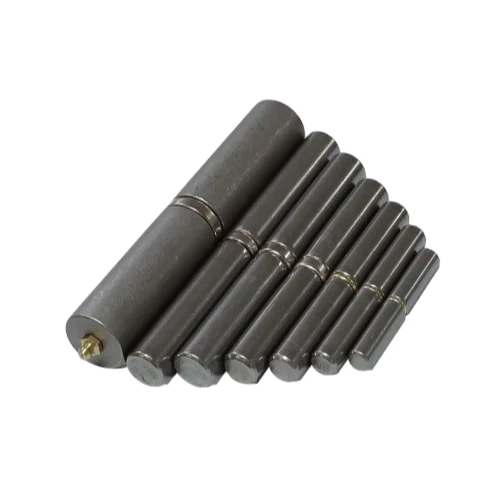
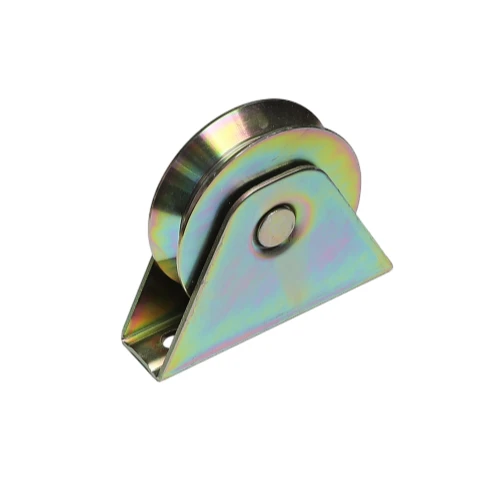
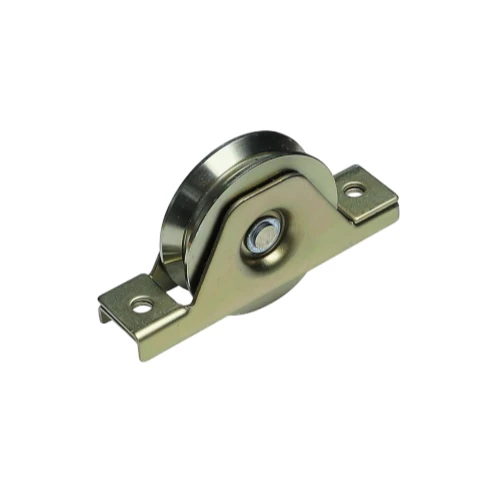
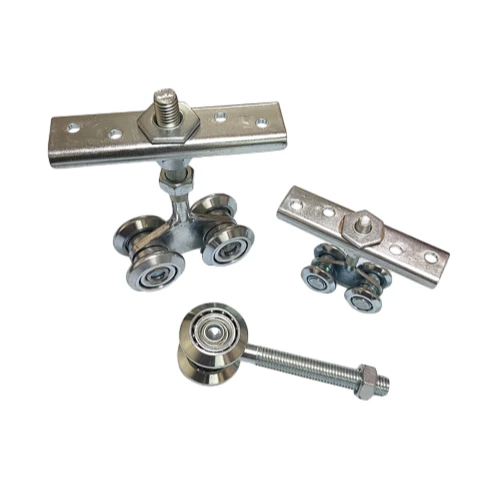
Simply put, sliding door hinges are specialized pivot points that allow doors to move laterally instead of swinging open. Unlike traditional hinges that rotate along a vertical axis, sliding door hinges enable doors to glide horizontally, saving space and often improving accessibility. You see them in everything from wardrobe doors to industrial facility gates. Their role relates closely to modern architectural trends favoring minimalism, modular construction, and adaptable use — so they’re not just mechanical parts but enablers of new design philosophies.
Core Features of Sliding Door Hinges
Durability and Load Capacity
Sliding door hinges must sustain repeated use and heavy loads without failing. Many are made from stainless steel or reinforced alloys. I’ve noticed that in industrial contexts, engineers prefer high-load hinges with built-in bearings to reduce wear — the smoother the action, the longer the door lasts.
Space Efficiency
The whole point of sliding hinges is to maximize usable space. These hinges allow doors to overlap walls or slide in parallel tracks, which is crucial in cramped apartments or modular emergency shelters.
Corrosion Resistance
Especially important for outdoor or coastal environments, corrosion-resistant coatings or materials prevent deterioration. This is often vital in humanitarian deployments where maintenance can be scarce.
Ease of Installation and Maintenance
Efficient hinge designs allow for quick installation and minimal downtime. This feature matters a lot where time pressure is high — like post-disaster rebuilds or rapidly expanding commercial sites.
Customization and Compatibility
Sliding door hinges come in various sizes and configurations to fit glass, wood, or metal doors, which makes them incredibly versatile.
Specifications of a Typical Sliding Door Hinge
| Specification | Typical Value | Notes |
|---|---|---|
| Material | 304 Stainless Steel | Corrosion resistant |
| Load Capacity | Up to 150 kg (330 lbs) | Depends on hinge size |
| Opening Type | Horizontal Slide | Space-saving |
| Finish | Matte or polished | Aesthetic choice |
| Bearing Type | Ball-bearing | Smooth motion |
Mini Takeaway: Sliding door hinges blend strength, precision, and design to offer efficient space solutions that last long and operate smoothly.
Global Applications and Real-World Use Cases
Sliding door hinges are pivotal in many sectors worldwide. In dense urban areas like Tokyo or New York, they help maximize limited living spaces. In hospitals across Europe, sliding doors fitted with reliable hinges contribute to infection control by minimizing touch and easing wheelchair access.
Oddly enough, they’re also critical in humanitarian contexts. After natural disasters, rapid-deploy housing often incorporates hinges that are easy to assemble and maintain under rough conditions. NGOs and relief agencies benefit from their adaptability to modular units, enhancing both durability and dignity for displaced populations. Industrial applications include clean rooms and manufacturing plants in China and Germany, where sliding doors reduce contamination and streamline workflow.
Vendor Comparison
| Feature | Vendor A (GlobalTech) | Vendor B (SlidePro) | Vendor C (Aobang Metal) |
|---|---|---|---|
| Material Quality | High-grade steel, corrosion resistant | Aluminum alloy, lighter weight | 304 Stainless Steel, very durable |
| Customization | Wide range, bespoke options | Limited sizes, standard models | Flexible sizes and finishes |
| Installation Support | Comprehensive manuals & videos | Basic guides only | On-site and remote assistance |
| Price | Moderate to high | Budget-friendly | Competitive pricing |
| Sustainability | Recyclable materials | Mixed materials | Environmentally friendly processes |
Advantages and Long-Term Value
Sliding door hinges deliver tangible benefits. They lower operational costs by reducing wear and tear on doors and frames, which means fewer replacements over time. They are often made of recyclable materials, supporting sustainability goals touted by organizations like the UN Environment Programme. From a social perspective, they promote safety by reducing door swing hazards in crowded areas and offering smooth operation for people with disabilities. Trust and reliability are also built when architects specify high-quality hinges that won’t compromise a building’s integrity.
Future Trends and Innovations
Looking ahead, sliding door hinges are evolving with tech. Smart materials that adjust friction dynamically could arrive soon, making doors even easier to slide. There's also growing interest in incorporating IoT features that monitor hinge performance and signal maintenance needs. A focus on green materials is likely to accelerate, with bio-based coatings and composites. In fact, emerging regulations on building sustainability, such as those from the International Energy Agency (IEA), might make eco-friendly hinges mandatory in the next decade.
Challenges and Solutions
One challenge is balancing strength and smoothness with cost. Heavier-duty hinges can be pricey. However, innovations in design and metallurgy are bridging that gap. Another issue is corrosion in harsh environments; new coatings and stainless steel grades help there. Lastly, fitting hinges to unconventional door designs can be tricky, but modular hinge systems provide flexible solutions, often customizable per project. Vendors also offer expert consultation which tremendously helps reduce installation errors.
FAQ: Frequently Asked Questions About Sliding Door Hinges
- Q: What differentiates sliding door hinges from regular hinges?
A: Sliding door hinges enable doors to move horizontally on tracks rather than pivot on a vertical axis, saving space and allowing smoother operation in tight areas. - Q: How do I choose the right hinge for heavy industrial doors?
A: Look for hinges with higher load capacity, durable materials like 304 or 316 stainless steel, and ball-bearing mechanisms to support frequent, heavy use. - Q: Are sliding door hinges maintenance-heavy?
A: Generally, quality hinges are low maintenance but periodic lubrication and cleaning increase their lifespan, especially in corrosive or dusty environments. - Q: Can sliding door hinges be used outdoors?
A: Yes, provided they are made from corrosion-resistant materials with protective coatings to withstand weather exposure.
Conclusion & Call to Action
In real terms, sliding door hinges combine practical mechanics with big-picture benefits. They enhance safety, save space, and contribute to sustainable building practices. Whether outfitting a sleek modern apartment or constructing rapid deployment shelters, these hinges prove that small components have outsized impacts.
Want to explore high-quality, sustainable options? Visit sliding door hinges to find solutions that blend innovation and reliability.
Final thought: next time you slide a door effortlessly, remember the hinge—quiet, humble, and crucial.
References

-
Heavy Duty Ramp Gate Hinges Guide for Industrial EquipmentNewsApr.16,2026
-
Guide to Selecting the Right Ramp Door Spring Hinge for TrailersNewsApr.09,2026
-
Comprehensive Guide to Livestock Trailer Gate Hinges for Durable PerformanceNewsApr.07,2026
-
Choosing the Right Heavy Duty Hinges for Ramps A Comprehensive GuideNewsApr.04,2026
-
Comprehensive Guide to Choosing the Right Enclosed Trailer Ramp Door Extension HingeNewsMar.31,2026
-
Comprehensive Guide to Bi Fold Trailer Gate Hinges for Optimal PerformanceNewsMar.28,2026
-
Comprehensive Guide to Durable Aluminum Trailer Ramp Hinges for Optimal PerformanceNewsMar.26,2026