




Security Hinges: The Unsung Guardians of Safety and Durability
At first glance, when most of us think about door security or architectural integrity, hinges don't exactly steal the spotlight. Yet, security hinges are fundamental components that, frankly, keep our spaces safe across industries and continents. From securing critical infrastructure to safeguarding humanitarian shelters, understanding these specialized hinges reveals fascinating layers of engineering, trustworthiness, and innovation.
Why Security Hinges Matter Globally
Globally, door security systems have to withstand various threats — forced entry, environmental challenges, or even wear from continuous use. According to data from the International Organization for Standardization (ISO), proper physical security components reduce break-in incidents by approximately 40-50%. Oddly enough, many buildings compromise on hinges, which are a common weak point in security. Thus, specialized security hinges have emerged to meet these challenges, offering resistance to tampering and enhancing overall door strength.
Especially as urbanization accelerates—UN reports the world’s urban population reached 56% in 2023—the need for reliable security elements in construction has never been greater. More than just hardware, security hinges influence safety protocols, reduce maintenance costs, and increase the lifespan of doors in commercial, residential, and even humanitarian applications.
Mini takeaway: Security hinges are key players in global safety efforts, marrying engineering precision with practical protection.
What Exactly Are Security Hinges?
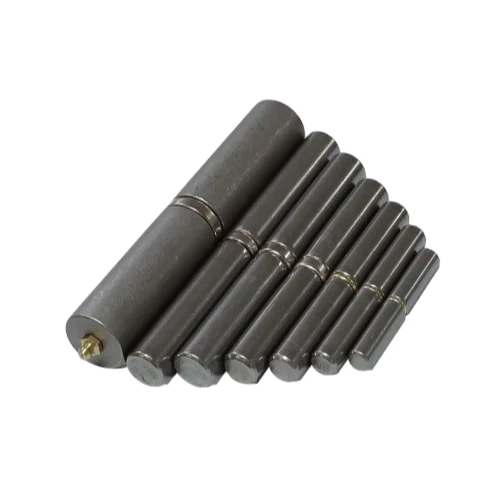
Simply put, security hinges are robust mechanical components that attach doors to frames while providing enhanced resistance against forced entry attempts. Unlike ordinary hinges, they have design features such as non-removable pins, heavy-duty materials, and tamper-resistant finishes.
In industrial or humanitarian settings, these hinges ensure doors stay firmly in place against external aggression, harsh environments, or frequent handling. For example, in emergency shelters or secure facilities, they prevent unauthorized access while supporting repeated opening and closing under rough conditions.
Mini takeaway: Security hinges are more than door pivots — they’re engineered barriers integral to physical protection.
Core Components and Key Features of Security Hinges
1. Durability
Durability is the hallmark of security hinges. Made from hardened steel alloys or stainless steel, the material must resist corrosion, wear, and mechanical stress. Many hinges meet ISO 9227 salt spray tests, validating their corrosion resistance — critical for coastal or industrial installations.
2. Tamper-Resistance
Features like non-removable hinge pins and concealed screws thwart attempts to remove the door from its frame. Some models employ weld-less designs, thus reducing weak points that could be exploited.
3. Load Capacity
The hinges must support the weight of heavy security doors, often exceeding 50 kg. Proper load distribution extends the door’s functional life and prevents sagging or misalignment.
4. Finish and Coating
Powder-coated or electroplated finishes improve lifespan while integrating aesthetic qualities. Such finishes also resist fading and chemical damage, essential for outdoor use.
5. Compliance and Testing
Top-tier hinges comply with standards such as ANSI/BHMA A156.1 or EN 1935. Certification ensures the product meets rigorous mechanical and endurance benchmarks.
Mini takeaway: The combination of material, design, and finishes defines how well a security hinge performs in real-world conditions.
Real-World Applications of Security Hinges
Security hinges find use across diverse domains:
- Commercial Buildings: Office entrances use them to reduce break-ins and secure sensitive areas.
- Industrial Sites: Factories often require hinges that withstand chemical exposure and heavy usage.
- Government and Military Facilities: High-security doors fitted with tamper-proof hinges are critical for maintaining control.
- Humanitarian Shelters: In post-disaster zones, shelters with robust hinges ensure privacy and safety for displaced communities.
- Residential Applications: High-end homes integrate security hinges for patio doors or external gates.
Globally, regions like North America and Europe lead in adoption due to stringent building codes, while emerging economies are quickly catching up as urban safety becomes a priority.
Mini takeaway: Whether it’s a remote island or a bustling metropolis, security hinges serve as silent sentinels guarding what matters most.
Advantages and Long-Term Value
Why invest in security hinges? The benefits are both pragmatic and emotional:
- Cost-Efficiency: Reduced break-ins and maintenance lower operational costs long-term.
- Sustainability: Durable hinges mean fewer replacements, reducing environmental impact.
- Reliability: You gain peace of mind knowing your doors resist tampering and wear.
- Safety and Trust: They create secure environments, essential in community and workplace dignity.
Frankly, you don’t often think about hinges until they fail. Investing in quality security hinges is a silent nod to foresight and commitment to safety.
Mini takeaway: Security hinges pay dividends over time in economic savings and human security.
Future Trends and Innovations
Looking ahead, the security hinges market is evolving with technology:
- Smart Hinges: Embedded sensors can detect forced entry attempts or hinge tampering, integrating into smart security systems.
- Eco-Friendly Materials: Biodegradable or recycled composites promise lighter hinges with minimal environmental footprints.
- Advanced Coatings: Nano-coatings that resist microbes and extreme weather are gaining traction.
- 3D Printing Customization: Tailored hinges designed for unique door types and architecture.
These trends coincide with global pushes for greener, smarter, and more responsive infrastructure components.
Mini takeaway: Innovation is transforming security hinges from static hardware into active safety tools for tomorrow’s buildings.
Challenges & Expert Solutions
Despite advances, some challenges persist:
- Cost Barriers: High-quality hinges can be pricey upfront, deterring smaller projects.
- Installation Complexity: Improper mounting diminishes security benefits.
- Supply Chain Variability: In some regions, quality hinge availability is inconsistent.
Experts recommend comprehensive training for installers and sourcing from reputed manufacturers — like security hinges specialists who ensure standards adherence.
Mini takeaway: Overcoming cost and installation hurdles is key to unlocking the full potential of security hinges.
Product Specification Table: Typical Security Hinges
| Feature | Specification | Notes |
|---|---|---|
| Material | Hardened steel / Stainless steel | Corrosion-resistant variants for outdoors |
| Load Capacity | Up to 150 kg per hinge | Depends on size & design |
| Pin Type | Non-removable or security pins | Key anti-tamper feature |
| Finish | Powder-coated, electroplated | Aesthetic + weather resistance |
| Standard | ANSI/BHMA A156.1, EN 1935 | Certification ensures reliability |
Vendor Comparison Table: Leading Security Hinge Manufacturers
| Company | Product Range | Global Reach | Certifications | Price Level |
|---|---|---|---|---|
| Aobang Metal | Extensive security hinge types, custom options | Global (Europe, Americas, Asia) | ISO 9001, CE | Mid-tier |
| Hager Group | Premium heavy-duty hinges, advanced finishes | Primarily Europe & Americas | EN, ANSI/BHMA | High-end |
| Assa Abloy | Wide range including smart hinges | Global | ISO, BHMA | Mid to high |
FAQ: Your Security Hinges Questions Answered
Q1: What makes security hinges better than standard door hinges?
A1: Security hinges incorporate non-removable pins, reinforced materials, and tamper-proof designs that ordinary hinges lack. This means they're specifically built to resist forced removal or break-ins, ensuring better safety. Standard hinges often have exposed pins that can be popped out with the right tools.
Q2: Are security hinges suitable for outdoor environments?
A2: Absolutely. Many security hinges are made of corrosion-resistant metals like stainless steel and undergo coatings such as powder-coating or electroplating. These finishes protect against rust, weather, and UV damage, making them ideal for exterior doors in harsh climates.
Q3: Can I retrofit security hinges on existing doors?
A3: Generally, yes. Many security hinges are designed to fit standard door dimensions. However, depending on the door frame and existing hardware, some adjustments or professional installation might be necessary to ensure the best fit and performance.
Q4: What maintenance do security hinges require?
A4: Security hinges usually require minimal upkeep. Regular lubrication with appropriate agents helps ensure smooth operation. Also, periodic inspections to check for wear, corrosion, or tampering are recommended.
Q5: How do I select the right security hinge for my project?
A5: Consider key factors such as door weight, desired security level, environmental conditions, and compliance requirements. Consulting with manufacturers or specialists — for example, security hinges experts — helps match product specifications with practical needs.
Conclusion: Embracing the Strength Beneath the Surface
Security hinges may not be glamorous, but their role is undeniably vital. They quietly hold doors — and by extension, our security, privacy, and peace of mind — together. Investing in well-crafted security hinges is investing in reliability, innovation, and long-term value.
To explore a comprehensive range of specialized security hinges tailored to your needs, visit Aobang Metal’s official website. Your doors—and your safety—will thank you.
Final takeaway: Sometimes, it’s the small components like security hinges that bear the greatest weight — literally and figuratively — in safeguarding our world.
References
-
Heavy Duty Ramp Gate Hinges Guide for Industrial EquipmentNewsApr.16,2026
-
Guide to Selecting the Right Ramp Door Spring Hinge for TrailersNewsApr.09,2026
-
Comprehensive Guide to Livestock Trailer Gate Hinges for Durable PerformanceNewsApr.07,2026
-
Choosing the Right Heavy Duty Hinges for Ramps A Comprehensive GuideNewsApr.04,2026
-
Comprehensive Guide to Choosing the Right Enclosed Trailer Ramp Door Extension HingeNewsMar.31,2026
-
Comprehensive Guide to Bi Fold Trailer Gate Hinges for Optimal PerformanceNewsMar.28,2026
-
Comprehensive Guide to Durable Aluminum Trailer Ramp Hinges for Optimal PerformanceNewsMar.26,2026