




In modern construction and landscaping, choosing the right foundation support is crucial for safety, efficiency, and long-term stability. One of the most versatile and user-friendly solutions available today is the spiral pile—a high-performance earth anchor system designed to meet a wide variety of structural and residential needs. Whether you're anchoring a shed, stabilizing a swing set, or supporting heavy-duty outdoor equipment, spiral pile systems offer unmatched ease of installation, durability, and holding power. This article explores how this innovative ground support tool is revolutionizing the way we approach anchoring and piling work.
Spiral pile anchors for superior performance and strength
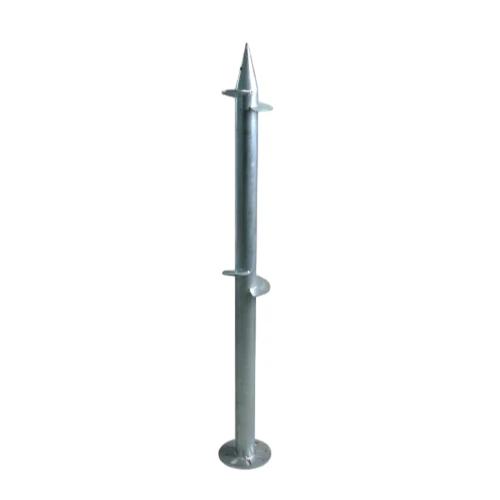
The most compelling advantage of using a spiral pile lies in its sheer strength and stability. Unlike traditional stakes or basic anchors, spiral piles are crafted from high-grade steel with a chrome finish, designed specifically to resist wear, rust, and environmental degradation. Each piece features a fully welded spiral connection that extends deep into the ground, maximizing soil interaction and grip. With lengths reaching up to 39 inches, they can pierce even the toughest soil conditions—including clay, rock, or compacted earth.
These piles are not just robust—they’re dependable under stress. Whether it’s harsh weather, high wind, or heavy structural loads, a spiral pile system holds its position firmly, preventing unwanted shifting or loosening. That’s why they're widely used for securing everything from trampoline bases and fences to pet enclosures and playsets. For residential and commercial projects alike, this system ensures that your groundwork remains solid and unmoved, regardless of external forces.
Easy installation and flexible removal for spiral pile systems
One of the standout features of the spiral pile is its remarkably user-friendly installation. Traditional piling systems often require large-scale machinery, extended labor time, and invasive digging. In contrast, spiral piles can be installed in just minutes with the help of a standard power drill. The spiraled steel easily screws into the ground, providing immediate anchoring without disturbing the surrounding soil or requiring concrete reinforcement.
Removal is just as simple. If you're relocating, changing layouts, or temporarily anchoring a structure, you can reverse the spiral pile out of the soil with minimal effort—leaving no damage or residue behind. This flexibility is especially valuable for renters, event organizers, or contractors managing multiple short-term projects. Instead of investing time and money into permanent anchors, the spiral pile allows for repeated use across various applications.
Broad range of applications supported by spiral pile anchors
Versatility is another key selling point of the spiral pile. Originally engineered for heavy-duty use in construction and landscaping, these piles have since found favor in countless other areas. For outdoor enthusiasts, they provide a secure base for tents, canopies, or temporary fencing. Families use them to stabilize trampolines, swing sets, and pet houses. Property owners rely on them for sheds, mailboxes, and even small trees that need wind-resistant anchoring.
What makes this breadth of use possible is the pile’s adaptive design. It can be embedded at different depths depending on the required holding capacity. The chrome-plated steel resists moisture and corrosion, making it ideal for both dry and humid environments. From DIY backyard projects to industrial-grade applications, the spiral pile is the go-to solution for reliable anchoring without complications.
Why spiral pile systems outperform traditional ground anchors
In the comparison between spiral piles and traditional ground anchors, the benefits of the spiral pile are clear. Basic stakes and augers often struggle in rocky or compact soil, bend under stress, or loosen over time. Concrete anchors, while stronger, are permanent and time-consuming to install. The spiral pile, however, combines the best of both worlds—permanent-grade stability with temporary-use flexibility.
Additionally, its helical design is scientifically optimized for better soil penetration and resistance. The spirals increase surface area, creating more friction with the soil and ensuring that the anchor does not pull out easily, even under force. Furthermore, because no digging or concrete is involved, spiral piles reduce environmental disruption. Landscaping, tree roots, and surrounding structures remain untouched, minimizing the risk of collateral damage during installation.
Whether used for backyard enhancements or infrastructure support, spiral pile anchors deliver professional-grade outcomes with homeowner-level convenience. It’s this balance of quality, affordability, and simplicity that has made them an essential tool for modern builders, landscapers, and outdoor enthusiasts.
spiral pile FAQs
What makes spiral pile anchors more effective than traditional stakes?
The spiral pile is engineered with a helical design that increases its surface contact with soil. This creates more resistance against pullout forces, especially in windy or unstable environments. Traditional stakes often slide or loosen over time, particularly when exposed to moisture or heavy use. In contrast, the spiral’s deeper penetration and steel composition provide long-term security that won’t degrade or bend under pressure.
Can spiral piles be reused, and do they cause ground damage during removal?
Yes, spiral piles are fully reusable. Their screw-in design means they can be removed with the same ease as installation—simply reverse them out using a power drill or wrench. Because there's no need for concrete or digging, they leave minimal trace when removed. This makes them ideal for temporary applications such as camping, seasonal garden structures, or event setups.
Are spiral piles suitable for professional construction projects?
Absolutely. Many construction professionals now use spiral pile anchors in lieu of concrete footings for certain lightweight or modular structures. Their structural integrity and ease of deployment make them a cost-effective solution for temporary buildings, scaffolding, and fencing. They also perform well in geotechnical applications where soil displacement must be minimized.
How do spiral piles perform in rocky or frozen soil?
Spiral piles are specifically designed to handle difficult terrain, including rocky or frozen ground. The sharp point and helical blade slice through hard materials without breaking or bending. Their steel structure ensures they maintain shape and strength, even under harsh soil conditions. When installed with the proper equipment, they offer excellent holding power where other anchors fail.
What tools are required to install a spiral pile, and can one person do it alone?
Installation is straightforward and requires only a basic power drill or manual wrench with the appropriate attachment. Most users find they can install spiral piles single-handedly, although larger piles may benefit from an extra set of hands for alignment. No specialized skills or heavy machinery are necessary, making this system accessible to both homeowners and professionals alike.
-
Heavy Duty Ramp Gate Hinges Guide for Industrial EquipmentNewsApr.16,2026
-
Guide to Selecting the Right Ramp Door Spring Hinge for TrailersNewsApr.09,2026
-
Comprehensive Guide to Livestock Trailer Gate Hinges for Durable PerformanceNewsApr.07,2026
-
Choosing the Right Heavy Duty Hinges for Ramps A Comprehensive GuideNewsApr.04,2026
-
Comprehensive Guide to Choosing the Right Enclosed Trailer Ramp Door Extension HingeNewsMar.31,2026
-
Comprehensive Guide to Bi Fold Trailer Gate Hinges for Optimal PerformanceNewsMar.28,2026
-
Comprehensive Guide to Durable Aluminum Trailer Ramp Hinges for Optimal PerformanceNewsMar.26,2026