




In today's demanding industrial and architectural environments, the reliability of foundational and mechanical components determines the success of any project. From heavy-duty lifting systems to refined cabinet installations, premium hardware solutions are essential for delivering strength, performance, and durability. This article explores four categories of hardware innovations that are shaping modern applications across manufacturing, construction, and interior design.
Innovative Mechanics for Heavy Lifting and Transmission
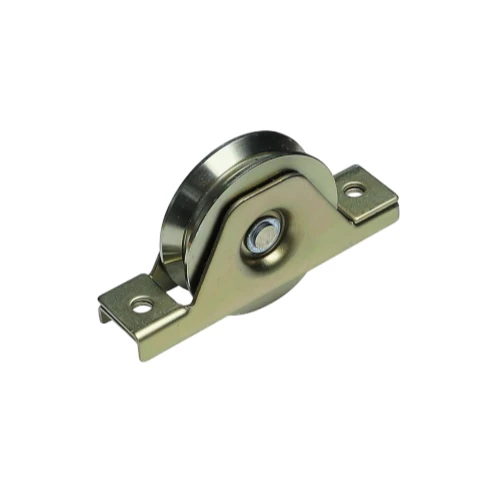
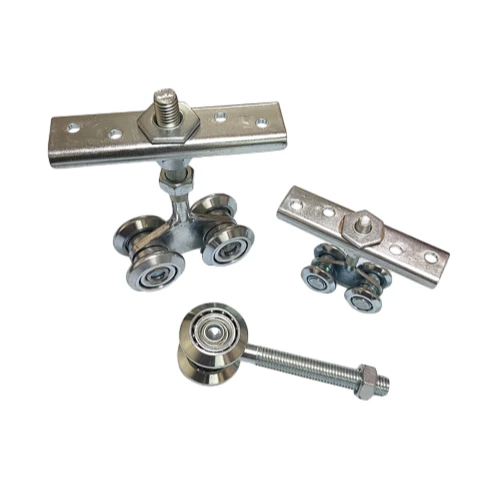
Heavy lifting and mechanical transmission are critical functions in industrial operations. The heavy duty pulley has emerged as a leading component in this space, engineered to support substantial loads in rugged conditions. These pulleys are typically constructed from high-strength steel alloys and undergo precision machining processes that enhance their structural integrity. Many also feature sealed bearings to reduce friction and extend operational life, even under high-cycle conditions.
In parallel, the belt pulley plays an essential role in transferring mechanical power efficiently. Often found in HVAC systems, agricultural machinery, and industrial motors, belt pulley systems ensure torque is transferred with minimal vibration or slippage. By integrating durable groove designs and maintaining balanced weight distribution, these pulleys support both speed and stability across diverse applications.
Together, heavy duty pulley and belt pulley configurations form the backbone of robust transmission systems. Whether used independently or as part of a synchronized assembly, these components deliver performance consistency that reduces downtime and enhances operational efficiency.
Reinforcing Infrastructure with Reliable Foundations
In structural engineering, a strong foundation is the guarantee of long-term stability. The pile and ground beam foundation is a system specifically designed for high-load-bearing applications, offering a secure interface between subsurface conditions and superstructures. This approach involves driving piles deep into the earth to reach load-bearing strata, while the ground beam links these piles to distribute structural loads evenly.
Typically composed of reinforced concrete and engineered to adapt to various soil types, the pile and ground beam foundation is commonly applied in large-scale commercial buildings, bridges, and complex infrastructure developments. Its resistance to ground movement and settlement makes it ideal for seismic zones or areas with weak surface soil.
Beyond structural strength, this system offers logistical advantages. Prefabricated pile options, combined with modular beam assemblies, streamline construction timelines while ensuring compliance with modern building codes. For project managers and civil engineers, integrating pile and ground beam foundation solutions translates into fewer risks and superior structural performance.
Functional Elegance in Interior Applications
Inside buildings, hardware may not always be visible, but its impact on usability and aesthetic cohesion is profound. A perfect example lies in the modern evolution of cabinet hinges. These small yet pivotal components define how doors open, close, align, and sustain daily usage over years. The current generation of cabinet hinges combines ergonomic movement with streamlined installation features such as soft-close dampers and concealed mountings.
Materials like stainless steel and zinc alloys provide the durability needed for both residential and commercial environments, while adjustable mounting plates offer flexibility during cabinet fitting. Importantly, today’s cabinet hinges are engineered for modularity—compatible with frameless cabinetry, glass inserts, or custom carpentry.
In kitchens, retail spaces, and office interiors, the right hinge system ensures doors operate silently and consistently. For manufacturers and interior designers alike, investing in premium cabinet hinges enhances product quality, customer satisfaction, and long-term maintenance efficiency.
Strategic Advantages for Hardware Sourcing and OEM Development
For businesses sourcing mechanical and structural hardware, supplier capabilities play a decisive role. Working with manufacturers that offer complete OEM/ODM services not only guarantees product customization but also provides cost-effective scalability. Many factories specializing in heavy duty pulley, belt pulley, pile and ground beam foundation, and cabinet hinges offer flexible production lines, international certifications, and in-house R&D support.
Moreover, integrated service chains—from mold development to final packaging—allow for greater quality control and shortened lead times. Buyers benefit from working with experienced partners who understand global market demands and are committed to material traceability, load testing, and precision tolerances.
With increasing emphasis on sustainability and engineering compliance, reliable hardware suppliers continuously improve their processes to meet ISO standards, use eco-friendly coatings, and employ advanced QA systems. Whether you are sourcing for large infrastructure projects or specialized furniture manufacturing, aligning with capable suppliers ensures every component performs beyond expectations.
Heavy Duty Pulley FAQs
What makes a heavy duty pulley suitable for industrial applications?
A heavy duty pulley is designed with robust materials such as forged steel or cast iron and features reinforced bearings that withstand extreme tension and wear. This makes them ideal for lifting systems, cranes, and conveyor mechanisms where durability is crucial. Their design minimizes friction and maximizes lifespan, making them essential for demanding industries.
How is a belt pulley different from a traditional gear mechanism?
Unlike gears that engage teeth to transmit motion, a belt pulley system uses a belt loop to connect rotating shafts. This reduces noise, absorbs shock, and provides smoother power transmission. Belt pulley systems are especially preferred in applications requiring speed variability and lower maintenance demands.
Where is a pile and ground beam foundation system typically used?
A pile and ground beam foundation is commonly used in high-rise buildings, warehouses, and areas with unstable or weak soil. The piles transfer loads deep into the ground, while the beams distribute the load evenly, preventing settlement and ensuring long-term structural integrity.
What types of cabinet hinges are best for modern kitchens?
Soft-close cabinet hinges are a popular choice in modern kitchens due to their noise-reduction and wear-resistance features. Concealed hinges also offer a sleek look, while adjustable mounting options allow for precision alignment during installation. Stainless steel versions are recommended for humid environments like kitchens and bathrooms.
How can I ensure the hardware I source meets international standards?
Partnering with certified factories that specialize in heavy duty pulley, belt pulley, pile and ground beam foundation, and cabinet hinges ensures compliance with global standards like ISO9001, CE, and RoHS. Look for manufacturers with documented testing processes, material certifications, and the ability to provide third-party inspection reports.

-
Heavy Duty Ramp Gate Hinges Guide for Industrial EquipmentNewsApr.16,2026
-
Guide to Selecting the Right Ramp Door Spring Hinge for TrailersNewsApr.09,2026
-
Comprehensive Guide to Livestock Trailer Gate Hinges for Durable PerformanceNewsApr.07,2026
-
Choosing the Right Heavy Duty Hinges for Ramps A Comprehensive GuideNewsApr.04,2026
-
Comprehensive Guide to Choosing the Right Enclosed Trailer Ramp Door Extension HingeNewsMar.31,2026
-
Comprehensive Guide to Bi Fold Trailer Gate Hinges for Optimal PerformanceNewsMar.28,2026
-
Comprehensive Guide to Durable Aluminum Trailer Ramp Hinges for Optimal PerformanceNewsMar.26,2026