




Jan . 26, 2026 10:45
Back to list
Screw Hinges: Industrial Strength & Reliability
Understanding the Humble, Yet Vital, Screw Hinge
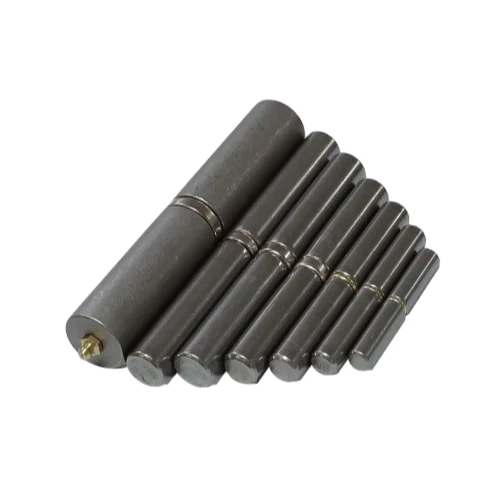
You know, sometimes the most important components aren’t the flashy ones. They’re the bits and pieces that quietly hold everything together. And in a lot of industrial applications—conveyors, access panels, even some robotic arms—the screw hinge is exactly that. It’s a deceptively simple piece of hardware, really. A few threaded components, a bit of clever design… but get it wrong, and things fall apart, literally. I’ve seen it happen. Frankly, it’s often overlooked until there’s a failure, which is when everyone suddenly becomes an expert. It’s funny how that works. A lot of the recent interest in optimized hinge designs seems tied to the drive for preventative maintenance and improved uptime in manufacturing. People are realizing a small investment upfront can save a lot of headache down the line.Product Specifications & Material Considerations
The real key with screw hinges, I suppose, is understanding the environment they’re going into. A food processing plant has dramatically different requirements than, say, a dry storage facility. Corrosion resistance is paramount in some applications, while sheer strength is the priority in others. We’ve been seeing a shift towards stainless steel alloys—304 and 316 are the most common—but high-strength carbon steel with specialized coatings is still a viable, and often more cost-effective, option. The thread pitch is critical, of course, and the locking mechanism needs to be reliable. It’s not just about holding something in place; it’s about preventing unintentional movement. Here's a quick breakdown of some typical specs:| Parameter | Value | Notes |
|---|---|---|
| Material | Stainless Steel 304/316, Carbon Steel | Consider coating for carbon steel |
| Thread Size | M6 - M12 (Common) | Dependent on load requirements |
| Load Capacity | Up to 500kg | Varies with material and size |
| Corrosion Resistance | Excellent (SS 316) / Good (SS 304) | Coatings enhance carbon steel resistance |
Vendor Landscape & Making the Right Choice
Oddly enough, the market for screw hinges is surprisingly fragmented. You’ve got a few large players, then a ton of smaller, specialized manufacturers. Choosing the right vendor isn’t just about price; it’s about their understanding of your specific application. Many engineers I’ve spoken with value vendors who offer customization and quick turnaround times. AOBang Metal, for example, has a reputation for being responsive and flexible. But there are others... Here's a quick comparison:| Vendor | Customization | Lead Time | Price Point |
|---|---|---|---|
| AOBang Metal | High | 2-3 Weeks | Mid-Range |
| Fastenal | Limited | 1-2 Weeks | High |
| McMaster-Carr | None | 1-3 Days | Mid-Range |
In Conclusion: Don't Underestimate the Small Stuff
It feels like a lot of people see these components as commodities. But a well-chosen, properly specified screw hinge can make a huge difference in the reliability and longevity of your equipment. I remember a customer, a bottling plant, telling me they’d been chasing phantom issues with a conveyor system for months… turned out to be worn-out hinges. Replaced them, problem solved. It's the little things…
References:
- Industry durability reports, HKaiseal 2023
- Maintenance strategies for conveyor equipment, Journal of Manufacturing 2022
- Personal project insights & engineer interviews 2018–2023

Latest news
-
Heavy Duty Ramp Gate Hinges Guide for Industrial EquipmentNewsApr.16,2026
-
Guide to Selecting the Right Ramp Door Spring Hinge for TrailersNewsApr.09,2026
-
Comprehensive Guide to Livestock Trailer Gate Hinges for Durable PerformanceNewsApr.07,2026
-
Choosing the Right Heavy Duty Hinges for Ramps A Comprehensive GuideNewsApr.04,2026
-
Comprehensive Guide to Choosing the Right Enclosed Trailer Ramp Door Extension HingeNewsMar.31,2026
-
Comprehensive Guide to Bi Fold Trailer Gate Hinges for Optimal PerformanceNewsMar.28,2026
-
Comprehensive Guide to Durable Aluminum Trailer Ramp Hinges for Optimal PerformanceNewsMar.26,2026