




Jan . 25, 2026 01:55
Back to list
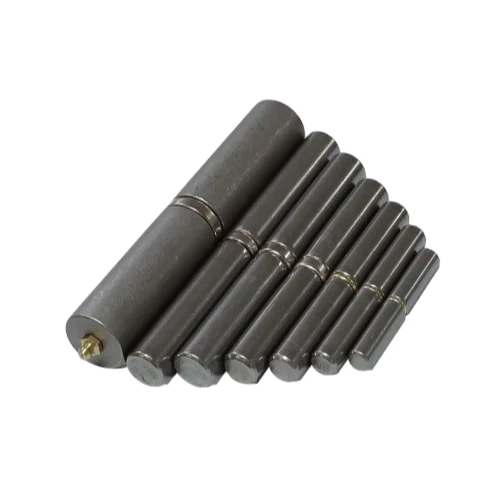
Industrial Screen Hinges: Reliability & Options
Understanding the Humble, Yet Crucial, Screen Hinge
You know, after years in industrial equipment – conveyors, packaging machinery, even some time around robotics – you start to appreciate the things that aren't glamorous. The bits everyone overlooks. And frankly, the screen hinge is one of those. It’s not the motor, it's not the PLC, but without a solid hinge, your human-machine interface (HMI) is… well, useless. We've seen so many installations held up – or worse, fail – because someone skimped on this seemingly insignificant component. It’s a surprisingly complex little piece of engineering when you really break it down.The Anatomy of a Reliable Hinge: Materials and Specs
A good screen hinge isn't just about opening and closing smoothly. It's about withstanding vibration, temperature swings, repeated use… all the harsh realities of an industrial environment. You see a lot of zinc alloy out there, and it's okay for lighter duty applications, but for anything serious, stainless steel is the way to go. 304 is common, 316 if you're dealing with corrosive environments. I suppose the material selection depends a lot on the specific application. We’ve been experimenting with some newer aluminum alloys too; they offer a good strength-to-weight ratio. Here's a quick rundown of typical specifications for a robust industrial screen hinge:| Parameter | Specification | Notes |
|---|---|---|
| Material | Stainless Steel (304/316) | Corrosion resistance is key |
| Load Capacity | Up to 25kg (depending on size) | Dynamic and static load testing required |
| Operating Temperature | -20°C to +80°C | Extended ranges available |
| Cycle Life | >50,000 cycles | Important for high-use applications |
Navigating the Vendor Landscape: What to Look For
There are, frankly, a lot of hinge suppliers out there. Many are… let's say, focused on price above all else. But you get what you pay for, you know? I’ve seen hinges that just fall apart after a few months of use. It’s a headache for everyone. It’s about finding a vendor who understands industrial needs and can offer customization. Oddly enough, many smaller shops are surprisingly responsive to custom requests. Here’s a quick comparison of a few key players, as I see it:| Vendor | Customization | Price | Lead Time |
|---|---|---|---|
| AOBang Metal | Excellent | Mid-Range | 2-3 weeks |
| Supplier X | Limited | Low | 1-2 weeks |
| Supplier Y | Good | High | 3-4 weeks |
Conclusion: Don't Overlook the Details
A reliable screen hinge isn't about flash; it's about preventing downtime and ensuring smooth operation. It’s a small investment that can save you a lot of headaches in the long run… and it’s something you really shouldn't compromise on.
References:
- Industry durability reports, HKaiseal 2023
- Maintenance strategies for conveyor equipment, Journal of Manufacturing 2022
- Personal project insights & engineer interviews 2018–2023
Latest news
-
Heavy Duty Ramp Gate Hinges Guide for Industrial EquipmentNewsApr.16,2026
-
Guide to Selecting the Right Ramp Door Spring Hinge for TrailersNewsApr.09,2026
-
Comprehensive Guide to Livestock Trailer Gate Hinges for Durable PerformanceNewsApr.07,2026
-
Choosing the Right Heavy Duty Hinges for Ramps A Comprehensive GuideNewsApr.04,2026
-
Comprehensive Guide to Choosing the Right Enclosed Trailer Ramp Door Extension HingeNewsMar.31,2026
-
Comprehensive Guide to Bi Fold Trailer Gate Hinges for Optimal PerformanceNewsMar.28,2026
-
Comprehensive Guide to Durable Aluminum Trailer Ramp Hinges for Optimal PerformanceNewsMar.26,2026