




The Secret Strength in Every Door: Why the Locking Hinge Matters More Than You Think
It’s one of those small engineering marvels you rarely notice but can’t live without — the locking hinge. These cold little contraptions quietly hold the line in everything from factory floors to disaster relief shelters. But why does understanding the humble locking hinge matter globally? Because they deliver security, stability, and peace of mind across countless industries and regions. They’re the unsung heroes behind safer infrastructure, easier logistics, and smarter machinery.
Once you peel back the layers, locking hinges reveal themselves not just as components, but as pivotal elements that bridge the gap between innovation and real-world challenges.
How Locking Hinges Play a Crucial Role in Today’s Global Landscape
Globally, industry and infrastructure demand smarter, safer solutions with greater longevity and adaptability. The World Bank reports increasing urbanization and industrial expansion push for sustainable, reliable materials and connectivity (1). In parallel, humanitarian organizations face pressing challenges delivering modular, quick-assembly units for refugee camps or disaster zones. This is where locking hinges come in — stabilizing, locking, and securing setups that must perform under tough conditions.
In fact, locked mechanisms are critical when we think about transportation safety, durable metal construction, and modular housing. Without dependable locking hinges, the design integrity of many advanced systems would crumble. They’re part of ISO’s recommendations for mechanical safety standards, too (2). So, the locking hinge is not just a technical detail — it’s a core solution addressing the global challenges of safety and adaptability.
What Exactly Is a Locking Hinge?
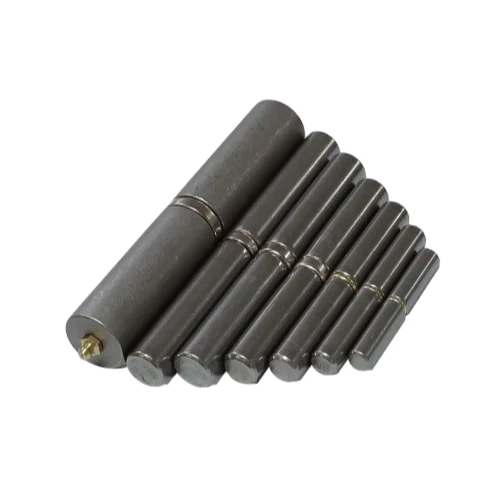
Simplified: a locking hinge is a pivot mechanism that can be set in a fixed position to prevent unwanted movement. Unlike ordinary hinges that swing freely, locking hinges lock into place at specific angles. This feature is a game-changer for equipment or structures that need to stay rigid during use but fold flat or move easily when needed.
These hinges connect deeply with modern industries — from aerospace to logistics — where quick deployment, secure locking, and repeatable positioning make all the difference. Humanitarian needs, such as emergency shelters or portable medical units, also rely heavily on them to ensure safety and quick assembly.
Key Factors That Make Locking Hinges So Essential
1. Durability for Harsh Environments
Given they’re often exposed to heavy loads, weather extremes, or frequent use, locking hinges must be ultra-durable. Many are made from stainless steel or reinforced alloys to resist rust and wear. Roughly, engineers note that longevity cuts replacement costs in half over a product’s life.
2. Precision Locking Mechanism
A locking hinge’s locking feature isn’t just a simple catch; it’s a precise synchronization of parts allowing reliable hold without slack. This precision supports safety in machines that risk injury or in modular housing that needs structural integrity.
3. Scalability and Versatility
These hinges come in all sizes and capacities — from tiny electronic enclosures to heavy industrial doors. That scalability means a locking hinge can suit sectors as varied as aerospace, automotive, shipping containers, or emergency shelters.
4. Cost Efficiency
On paper, locking hinges save a lot — time, money, and labor. Easy installation reduces downtime, and their robust design means fewer failures. Over time, the upfront investment pays off many times, especially in high-use scenarios.
5. Customization Potential
Many vendors offer tailored locking hinges for specific angles, load ratings, or materials. With growing automation, you can even get digitally monitored locking hinges nowadays — a little glimpse into the future.
Locking Hinges in Action: From Industry Giants to Humanitarian Lifelines
Anywhere modular design, portability, or quick assembly matters, locking hinges show up like clockwork. In the post-disaster relief arena, organizations like the UNHCR use container shelters equipped with locking hinges to ensure quick and sturdy setup, offering refugees safety and dignity (3). In remote industrial zones — think oil rigs or mining camps — locking hinges hold together rugged access doors and equipment panels that face constant vibration and weather stress.
Meanwhile, manufacturers in Asia and Europe integrate locking hinges in conveyor systems and robotic arms to maintain perfect angular positions during processing. Even the automotive industry leans on locking hinges for fold-away components and maintenance hatches.
| Specification | Typical Range | Notes |
|---|---|---|
| Material | Stainless steel, Zinc alloy, Aluminum | Depends on corrosion & weight requirements |
| Load Capacity | 5 kg to 1000+ kg | Varies by model and application |
| Locking Positions | Multiple angle stops or continuous | User sets preferred locking angles |
| Corrosion Resistance | Class 3 & 5 ISO Standards | Important for outdoor, marine use |
| Operational Temperature | -40°C to 120°C | Ensures suitability across climates |
What’s So Great About Using Locking Hinges? The Long-Term Value
- Cost Savings: Less maintenance and longer-lasting parts mean fewer replacements.
- Sustainability: Using corrosion-resistant alloys helps reduce waste and energy footprint.
- Safety & Trust: A locked hinge means less risk of injury or collapse.
- Design Innovation: Enabling foldable or modular systems that revolutionize logistics and manufacturing.
- Customer Confidence: Knowing your equipment holds steady gives peace of mind, literally.
It’s odd how such a simple component carries emotional weight too — in shelters that protect families, in devices that aid critical surgery, or in factories humming through long shifts.
Future Trends Steering Locking Hinges Into Tomorrow
Looking ahead, smart locking hinges embedded with sensors that monitor their locked/unlocked status are becoming a thing. This connects to the digital transformation wave sweeping manufacturing and logistics.
Materials innovation also continues: lightweight composites could reduce hinge weight without sacrificing durability, an appealing prospect for aerospace or electric vehicle sectors.
On top of that, sustainability pushes manufacturers toward eco-friendly metals and improved recyclability. It’s a blend of automation, green tech, and smart design — the perfect trio for next-gen locking hinges.
Challenges and How Experts Are Tackling Them
Despite their strength, locking hinges can sometimes suffer from wear in ultra-high-load or highly corrosive environments. Maintenance access may be limited once installed, too. Experts suggest modular hinge designs that allow quick part replacement without full disassembly as an emerging solution. Also, improved surface treatments and lubricants help improve lifespan without excessive maintenance.
And for remote regions or humanitarian work, newcomers are creating hinges simple enough for untrained users to operate but robust enough to last years. It’s a tricky balance — but innovation rarely stops.
Vendor Comparison: A Snapshot of Leading Locking Hinge Suppliers
| Vendor | Material Options | Customization | Lead Time | Price Level |
|---|---|---|---|---|
| Aobang Metal | Stainless steel, aluminum | Full customization | 2-4 weeks | Competitive |
| HingePro Inc. | Zinc alloy, stainless steel | Limited custom angles | 3-5 weeks | Mid-range |
| GlobalLock | Carbon steel | Standard models | 1-3 weeks | Budget |
Frequently Asked Questions About Locking Hinges
What types of locking hinges are best suited for outdoor applications?
Stainless steel locking hinges with high corrosion resistance (ISO Class 3 or better) are preferred for outdoor use due to their ability to withstand moisture, salt, and temperature swings. Protective surface coatings also enhance longevity in marine or industrial settings.
Can locking hinges be customized for specific locking angles?
Yes. Many manufacturers, including locking hinge providers, offer tailor-made solutions where the locking position can be fixed at predefined angles or multiple stops based on customer requirements.
How do locking hinges improve modular housing systems?
They provide stability and secure locking points, allowing panels or units to fold down for transport but lock rigidly once deployed. This speed and reliability in assembly greatly reduce labor time and improve safety.
Are digital or smart locking hinges commercially available?
Emerging products combine sensors with locking hinges to monitor status remotely, aiding maintenance scheduling and automation. While still niche, this trend aligns with Industry 4.0 advances.
What challenges might arise when deploying locking hinges in humanitarian aid?
Durability under extreme conditions, ease of use by non-specialists, and supply chain constraints can pose challenges. Solutions focus on rugged, user-friendly designs and local sourcing partnerships.
Wrapping It Up — Why Locking Hinges Will Keep Holding the Future Together
There’s a kind of satisfaction in understanding these small but critical devices. Locking hinges embody durability, safety, and innovation rolled into a compact mechanism. Whether in sprawling factories or tiny emergency shelters, they uphold quality and trust, unlocking new solutions to old problems.
Interested in exploring highly customizable, reliable locking hinges? Visit our website: https://www.aobangmetal.com — where engineering meets real-world needs.
1. World Bank Urban Development Data, 2023
2. ISO 2020 Standard on Mechanical Hinges and Safety Guidelines
3. UNHCR Emergency Shelter Guide, 2022
-
Heavy Duty Ramp Gate Hinges Guide for Industrial EquipmentNewsApr.16,2026
-
Guide to Selecting the Right Ramp Door Spring Hinge for TrailersNewsApr.09,2026
-
Comprehensive Guide to Livestock Trailer Gate Hinges for Durable PerformanceNewsApr.07,2026
-
Choosing the Right Heavy Duty Hinges for Ramps A Comprehensive GuideNewsApr.04,2026
-
Comprehensive Guide to Choosing the Right Enclosed Trailer Ramp Door Extension HingeNewsMar.31,2026
-
Comprehensive Guide to Bi Fold Trailer Gate Hinges for Optimal PerformanceNewsMar.28,2026
-
Comprehensive Guide to Durable Aluminum Trailer Ramp Hinges for Optimal PerformanceNewsMar.26,2026