




What Are Industrial Hinges and Why Should You Care?
At first glance, you might think of hinge as just a small part—a tiny pivot that lets doors or panels open smoothly. But industrial hinges? They’re a whole different beast. Vital to everything from factory automation to infrastructure, they quietly support the backbone of global industry. Understanding their benefits isn’t just for engineers or supply chain managers; it matters for anyone interested in manufacturing efficiency, equipment durability, and even humanitarian logistics.
Globally, efficient industrial components like hinges contribute to reduced downtime, longer equipment life, and safer operations. It’s easy to overlook these small pieces that bear heavy loads and repetitive movement — yet their failure can halt entire production lines or delay critical relief supplies. So, getting familiar with industrial hinges is a surprisingly smart way to appreciate how complex modern operations really are.
Mini Takeaway: Industrial hinges may be small, but their role in industrial reliability and efficiency is monumental.
Industrial Hinges in a Global Context: Why They Matter Now More Than Ever
According to a recent ISO report, industrial hinges are crucial in various sectors from aerospace and automotive to construction and heavy machinery. With the global manufacturing market expected to exceed $16 trillion by 2030, the stakes are higher: hinges must meet increasingly demanding standards for safety, durability, and adaptability.
But here’s the rub: supply chains remain fragile in today’s interconnected world. Imagine a factory in Southeast Asia whose entire conveyor system comes to a standstill because of misplaced or poor-quality hinges. That kind of vulnerability — one tiny component — has knock-on effects worldwide.
Industrial hinges must address challenges like resistance to harsh environments, compatibility with automated systems, and cost-effectiveness — all while supporting an expanding array of industries. Their global impact is undeniable.
Mini Takeaway: With rising industrial output worldwide, the demand for reliable hinges that can take a punch (environmentally and operationally) is skyrocketing.
Industrial Hinges Defined: Simple Yet Essential Components
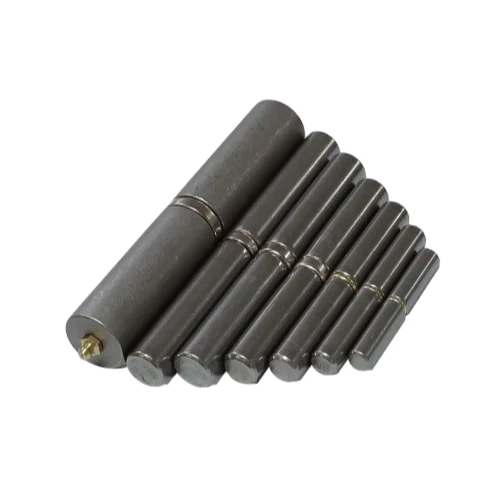
Simply put, an industrial hinge is a mechanical bearing connecting two solid objects, allowing a limited angle of rotation between them. Unlike typical household hinges, these are designed to withstand heavy loads, extreme temperatures, and frequent cycling. They’re often made from stainless steel, reinforced alloys, or even composites.
You’ll find industrial hinges on everything from large machinery doors, conveyor belts, shipping container lids, to even modular emergency shelters. They’re essential to industries that strive to marry durability with flexibility — without the hinge failing after a few months.
Interestingly, industrial hinges also play a crucial role in humanitarian contexts. For instance, rapid-deploy shelters use specialized hinges that allow the structures to fold and unfold quickly, helping relief workers respond faster to crises.
Mini Takeaway: Though simple in concept, industrial hinges are the tough workhorses that enable movement and function in demanding industrial environments.
Core Components and Key Factors of Industrial Hinges
Durability: Built to Last
Durability is often the first specification engineers check. Hinges must resist corrosion (especially in marine or chemical environments), mechanical wear, and temperature extremes. Materials like stainless steel or phosphor bronze keep hinges intact through millions of cycles.
Load Capacity: The Heavy Lifters
Depending on the application, a hinge might need to support anything from a few kilograms to several tons. Load capacity dictates hinge design — thicker pins, reinforced knuckles, or even multi-bar mechanisms for better strength distribution.
Scalability and Design Flexibility
The industrial world demands customizability. Modular hinges allow industries to scale up manufacturing lines or adapt equipment for new products without redesigning entire assemblies. The ability to shift from small to large formats quickly is a prized feature.
Cost Efficiency
While premium materials and intricate designs offer top-notch performance, budget constraints remain real. Engineers often balance cost and performance carefully, optimizing hinge selection for the intended lifespan and function.
Ease of Maintenance and Replacement
Some hinges are designed for easy lubrication or quick replacement through standardized parts, reducing downtime and maintenance costs — a big deal in 24/7 operations.
Compatibility with Automation Systems
With Industry 4.0 influencing manufacturing, hinges are increasingly expected to integrate sensors or smart components that signal wear before failure, helping predict maintenance schedules.
Mini Takeaway: If hinges were a team, think of durability as the captain, load capacity the strongman, cost efficiency the strategist, and maintenance the crew chief — all vital to smooth industrial operations.
Real-World Applications of Industrial Hinges Across Continents
Industrial hinges are incredibly versatile, showing up everywhere:
- Manufacturing Plants: Heavy equipment doors, safety guards, conveyor access panels.
- Transportation: Hinges on vehicle compartments, shipping containers, aircraft panels.
- Construction: Movable partitions, collapsible scaffolds, modular housing units.
- Energy Sector: Hinges in solar panel mounts or wind turbine service hatches.
- Humanitarian Relief: Hinges enabling quick setup tents and mobile clinics.
For example, in disaster relief zones like those hit by recent earthquakes, modular medical shelters equipped with quick-release hinges have cut setup times in half. Similarly, in remote mining operations in South America, corrosion-resistant hinges withstand harsh atmospheres—keeping equipment functional without constant servicing.
Mini Takeaway: From the Andes to the factories of Europe, industrial hinges make modern, resilient infrastructure possible — even in the roughest conditions.
Advantages and Long-Term Impact of Industrial Hinges
At first, you might only think of hinges as functional, but they actually contribute hugely to social and economic value:
- Cost Savings: Durable hinges decrease the need for frequent replacements, cutting operational costs.
- Sustainability: Use of recyclable materials and longer lifespans reduce environmental footprints.
- Safety: Reliable hinges prevent equipment failure, reducing accidents and injuries.
- Innovation Enablement: As hinges improve, they allow for sleeker machinery designs and automation integration.
- Social Impact: Fast-deploy hinges in shelters preserve dignity and safety during crises.
Engineering teams often say: it’s the trust you place in a hinge that keeps your entire line—or mission—running smoothly.
Industrial Hinges: Typical Product Specification
| Specification | Description | Typical Values |
|---|---|---|
| Material | Stainless Steel (304/316), Aluminum Alloy, Composite | 316 SS for corrosive environments |
| Load Capacity | Static and dynamic load limits | Up to 2000 kg per hinge pair |
| Temperature Range | Operating temperature tolerance | -40°C to +250°C |
| Corrosion Resistance | Resistant to salt spray and chemicals | Meets ASTM B117 standards |
| Cycle Life | Expected number of open/close cycles | 1 million+ cycles |
Comparing Leading Industrial Hinges Vendors
| Vendor | Product Range | Customization Options | Lead Time | Typical Industries Served |
|---|---|---|---|---|
| Aobang Metal | Heavy-duty, medium load, corrosion-resistant | High (materials, size, finishes) | 4-6 weeks | Industrial hinges, machinery, construction |
| HingeTech Solutions | Precision hinges, smart sensor integration | Medium (standard sizes with add-ons) | 6-8 weeks | Automation, aerospace, robotics |
| Global Metalworks | Standard and custom forged hinges | Low (mostly stock products) | 2-3 weeks | General manufacturing, automotive |
Looking Ahead: Future Trends in Industrial Hinges
The hinge world is quietly transforming. Smart hinges with embedded sensors can now alert maintenance teams before wear causes failure—part of the larger Industry 4.0 shift. In terms of materials, environmentally friendly composites are gaining traction, especially where lightweight strength matters.
Automation means hinges are designed for robotic assembly lines, with uniform tolerances and integration into modular systems. And green initiatives encourage manufacturers to adopt sustainable sources and recycling-friendly designs. It feels like the humble hinge is evolving into a smart, lean, and green piece of industrial tech.
Mini Takeaway: Advances in smart sensors and eco-materials are making industrial hinges more intelligent and sustainable than ever before.
Tackling Challenges and Offering Solutions
Of course, not everything is perfect. Common issues like premature wear, corrosion, and alignment problems persist. Sometimes, designers overlook the hinge’s specifications until a breakdown occurs.
Solutions include using advanced coatings to fight corrosion, designing for easier replacement, and employing predictive maintenance informed by sensor data. Many engineers advocate for collaborative design—folding hinge considerations into the earliest phases of equipment planning, which frankly should be a standard practice.
FAQs About Industrial Hinges
- Q1: How do I choose the right industrial hinge for my machinery?
- A: Consider factors such as load capacity, operating environment, material compatibility, and cycle life. Consult manufacturers’ datasheets, and if possible, seek samples to test performance under your specific conditions.
- Q2: Can industrial hinges be customized for unusual applications?
- A: Absolutely. Many vendors specialize in bespoke hinge manufacturing, adjusting sizes, materials, finishes, or incorporating additional elements like bearings or sensors to meet unique needs.
- Q3: What maintenance is required to prolong hinge life?
- A: Regular lubrication, inspection for wear or corrosion, and timely replacement of worn parts will extend hinge lifespan. Automated systems with sensor feedback can greatly assist in maintenance schedules.
- Q4: Are industrial hinges environmentally sustainable?
- A: Increasingly so. Many manufacturers now use recycled metals, eco-friendly coatings, and design for disassembly to promote recycling.
Conclusion: Why Industrial Hinges Still Swing the Future
So, after all this, it’s clear that industrial hinges aren’t just tiny pieces of metal — they’re keystones of modern industrial success. From durability and customization to global supply reliability and sustainability, these components quietly anchor real-world progress.
If you’re looking to upgrade or specify hinges that can withstand tough conditions while supporting innovation, consider trusted partners like Aobang Metal. Ready to explore smarter, stronger solutions? Swing by and check out their offerings.
Thanks for reading — here’s to hinges that hold the world together, one pivot at a time.
References

-
Heavy Duty Ramp Gate Hinges Guide for Industrial EquipmentNewsApr.16,2026
-
Guide to Selecting the Right Ramp Door Spring Hinge for TrailersNewsApr.09,2026
-
Comprehensive Guide to Livestock Trailer Gate Hinges for Durable PerformanceNewsApr.07,2026
-
Choosing the Right Heavy Duty Hinges for Ramps A Comprehensive GuideNewsApr.04,2026
-
Comprehensive Guide to Choosing the Right Enclosed Trailer Ramp Door Extension HingeNewsMar.31,2026
-
Comprehensive Guide to Bi Fold Trailer Gate Hinges for Optimal PerformanceNewsMar.28,2026
-
Comprehensive Guide to Durable Aluminum Trailer Ramp Hinges for Optimal PerformanceNewsMar.26,2026