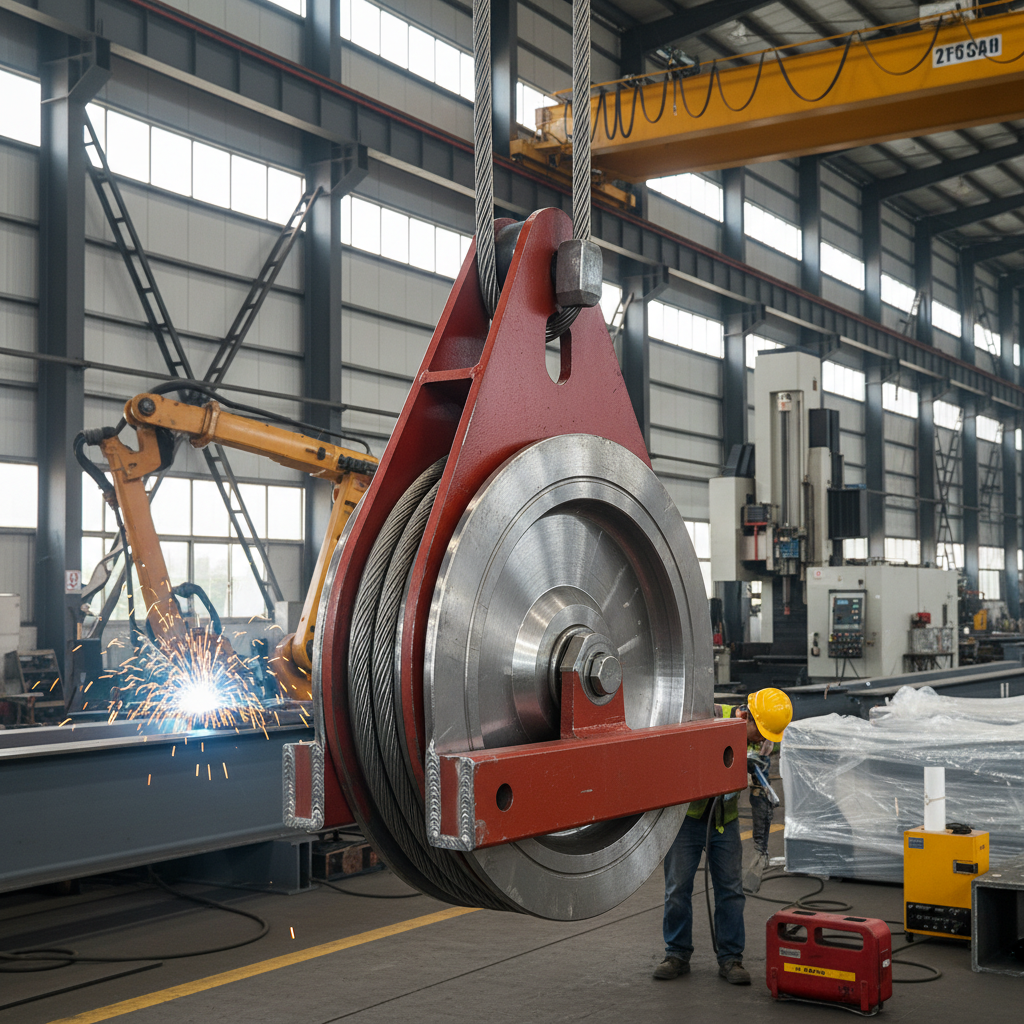
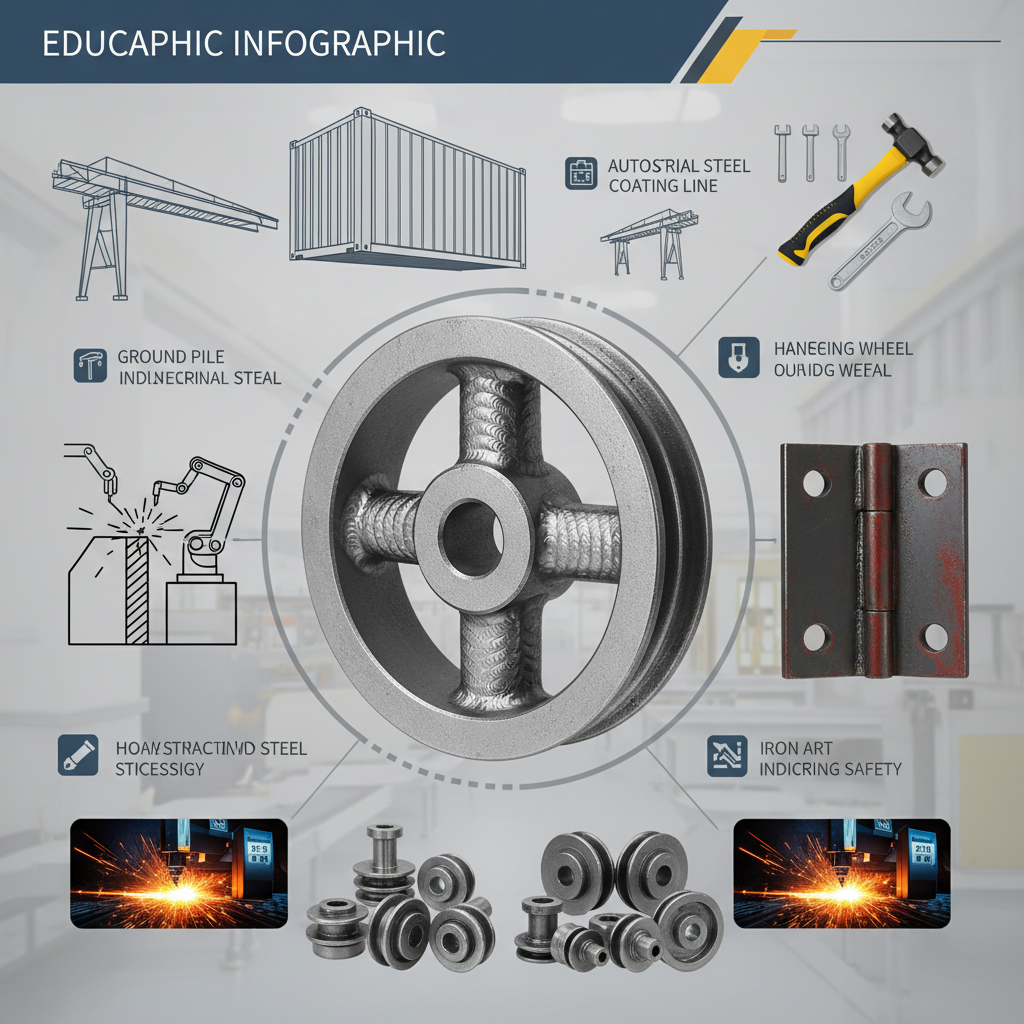
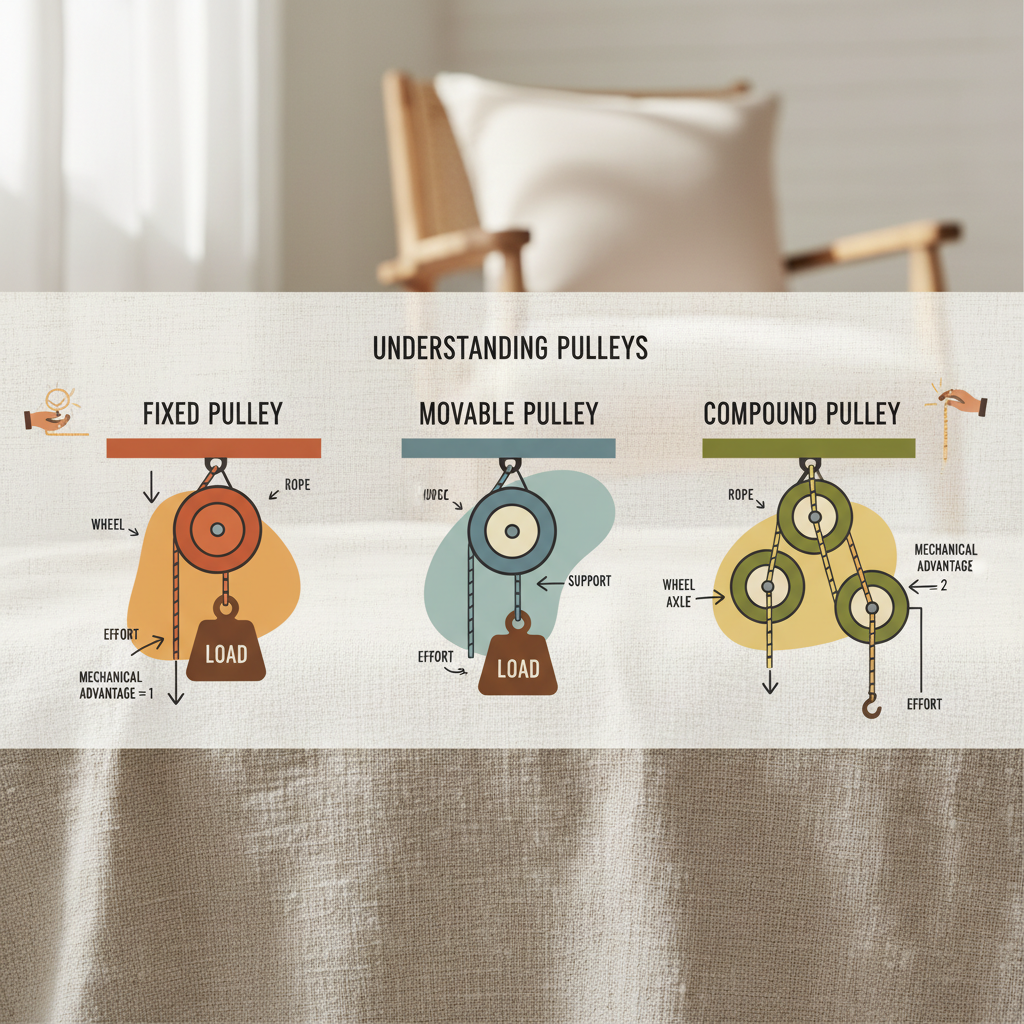
The mechanical world relies heavily on precision components to facilitate motion and transfer power, and the 3 inch pulley stands as a cornerstone in this domain. Whether utilized in light industrial machinery or customized home workshop setups, the 3-inch diameter offers a perfect balance between torque transmission and compact spatial requirements. Understanding the nuances of this specific size is essential for engineers and maintenance professionals aiming to optimize mechanical efficiency.
Globally, the demand for high-quality pulleys has surged as automation and modular manufacturing become the standard across various sectors. From the intricate needs of the textile industry to the heavy-duty requirements of agricultural equipment, the 3 inch pulley provides a versatile solution for belt-driven systems. Its ability to reduce friction while maintaining high load capacity makes it an indispensable element in modern kinetic design.
However, choosing the wrong material or profile for a 3-inch pulley can lead to premature wear, belt slippage, and costly system downtime. This comprehensive guide aims to demystify the technical specifications, application scenarios, and selection criteria for the 3 inch pulley, ensuring that your operational needs are met with maximum reliability and longevity.
Global Industrial Relevance of 3 Inch Pulley
In the current global industrial landscape, the 3 inch pulley is more than just a piece of hardware; it is a critical component for power transmission. According to ISO standards for mechanical transmission, the precision of the pulley diameter directly affects the belt's lifespan and the system's overall energy efficiency. Across Asia and Europe, where compact machinery is favored, this specific size is frequently specified to maximize space utilization without sacrificing mechanical leverage.
The challenge many industries face is the degradation of components under extreme environmental stress. Whether it is the humidity of a coastal factory or the dust of a mining site, a standard 3 inch pulley must be engineered to resist corrosion and wear. This global necessity has pushed manufacturers to move beyond basic cast iron toward high-grade alloys and reinforced polymers to ensure operational continuity.
Technical Definition and Engineering Meaning
At its core, a 3 inch pulley is a wheel with a groove on its rim, designed to be driven by a belt that transmits torque between two shafts. The "3 inch" designation refers to the outer diameter (or pitch diameter, depending on the standard), which determines the gear ratio when paired with another pulley. This ratio is the fundamental math behind speed increases or torque boosts in any mechanical drive system.
From a modern industrial perspective, this component bridges the gap between prime movers—such as electric motors—and the working machinery. The engineering meaning of a 3-inch diameter lies in its versatility; it is large enough to prevent excessive belt bending stress (which causes heat and fatigue) but small enough to maintain a high rotational speed in compact housings.
In humanitarian or remote industrial applications, the simplicity of the 3 inch pulley is its greatest strength. It allows for easy replacement and maintenance without the need for specialized, high-tech alignment tools, making it a reliable choice for water pumps, grain mills, and small-scale generators in developing regions.
Core Components and Quality Factors
The durability of a 3 inch pulley is primarily dictated by its material composition. Cast iron remains a staple for heavy-duty applications due to its vibration-damping properties, while aluminum is preferred for high-speed, low-inertia systems. Stainless steel is the gold standard for food-grade or chemical environments where oxidation is a primary concern.
Precision machining of the groove profile is another critical factor. If the groove of the 3 inch pulley is off by even a fraction of a millimeter, it can lead to "belt walk," where the belt shifts off-center, causing catastrophic failure and safety hazards for operators.
Finally, the bore fit and keyway accuracy ensure that the pulley is locked securely to the shaft. A high-quality 3 inch pulley employs tight tolerances to prevent slippage at the hub, which is where the majority of torque stress is concentrated during start-stop cycles.
Performance Analysis and Comparative Metrics
To understand the efficacy of the 3 inch pulley, one must analyze its performance across different material grades and belt types. The interaction between the pulley surface and the belt material determines the coefficient of friction, which in turn dictates the efficiency of power transfer.
When comparing different configurations, factors such as load-bearing capacity, noise levels, and thermal stability come into play. A cast iron version might offer superior stability but higher weight, whereas a composite version reduces noise but may wear faster under high heat.
Comparative Performance of 3 Inch Pulley Variations
Global Applications and Real-World Use Cases
The versatility of the 3 inch pulley allows it to be deployed in an array of sectors. In the automotive aftermarket, these pulleys are often used in accessory drives or custom engine swaps to adjust the rotational speed of alternators and water pumps. In the textile industry, they drive the rollers that move fabric through looms with consistent tension.
Beyond urban factories, we see the 3 inch pulley in remote industrial zones, such as off-grid solar pumping stations in Sub-Saharan Africa. Here, the pulley is used to connect a low-RPM motor to a high-speed pump, ensuring that water can be lifted from deep wells to support local agriculture, demonstrating the component's role in sustainable development.
Long-Term Value and Operational Advantages
Investing in a precision-engineered 3 inch pulley yields significant long-term financial benefits. By reducing belt slippage and vibration, the overall energy consumption of the machine is lowered. This not only reduces electricity costs but also extends the service life of the motor, preventing premature burnout caused by inefficient torque transfer.
From a safety perspective, a high-quality pulley minimizes the risk of belt snap or detachment. In high-speed industrial environments, a failing pulley can become a projectile; therefore, the structural integrity of a premium 3 inch pulley provides peace of mind and ensures a safer workspace for technicians.
Moreover, the standardization of the 3-inch size means that replacement parts are readily available globally. This reduces "mean time to repair" (MTTR), allowing businesses to maintain high uptime. The logical choice of a standardized, durable pulley is a strategic move toward operational resilience and trust in equipment reliability.
Future Trends and Material Innovations
The future of the 3 inch pulley is being shaped by the digital transformation of manufacturing. Additive manufacturing (3D printing) is now allowing for the creation of "topology-optimized" pulleys. These designs remove unnecessary material to reduce weight while maintaining the structural strength of a traditional 3 inch pulley, significantly reducing inertia and increasing acceleration.
Sustainability is also driving a shift toward bio-based composites and recycled alloys. We are seeing a rise in "green" pulleys that maintain the hardness of steel but are produced with a fraction of the carbon footprint. These innovations are essential as global policies move toward net-zero emissions in the manufacturing sector.
Furthermore, the integration of smart sensors within the pulley hub is on the horizon. Future 3 inch pulley systems may be able to monitor their own wear and vibration levels in real-time, alerting operators via IoT platforms before a failure occurs, effectively moving from reactive to predictive maintenance.
Technical Specifications and Material Comparison for 3 Inch Pulley
| Material Type |
Load Capacity |
Corrosion Resistance |
Typical Application |
| Cast Iron |
Very High |
Low |
Heavy Machinery |
| Aluminum |
Medium |
Medium |
High-Speed Fans |
| Stainless Steel |
High |
Very High |
Food Processing |
| Carbon Steel |
Extreme |
Low |
Industrial Presses |
| Nylon/Polymer |
Low |
High |
Light Conveyors |
| Brass |
Medium |
High |
Marine Equipment |
FAQS
The belt choice depends on the pulley's groove profile (V-belt, timing belt, or flat belt). For a 3 inch pulley, ensure the belt's pitch matches the pulley's groove. V-belts are ideal for high torque and slippage allowance, while timing belts are necessary for precise synchronization and zero-slip applications.
Yes, but material selection is key. For high-speed use, aluminum or high-grade polymers are recommended to reduce the centrifugal force and inertia. Ensure the 3 inch pulley is dynamically balanced to prevent vibration, which can lead to bearing failure at high RPMs.
The outer diameter is the actual maximum width of the wheel. The pitch diameter is the theoretical line where the belt's tension member resides. When ordering a 3 inch pulley, always clarify which measurement is being used to ensure your gear ratio calculations remain accurate.
In standard industrial environments, a monthly visual inspection is recommended. Look for "groove polishing" or wearing down of the flanks on the 3 inch pulley. If the belt is slipping or making a screeching sound, it is time to check the pulley's alignment and wear depth.
Absolutely, if your environment involves moisture, chemicals, or food products. While more expensive, a stainless steel 3 inch pulley eliminates the need for frequent painting or anti-corrosion coatings, drastically reducing long-term maintenance costs and preventing contamination.
First, check the belt tension; it may simply be too loose. Second, inspect the 3 inch pulley for glazing (a smooth, shiny surface), which reduces friction. If the pulley is glazed, lightly sanding the groove or replacing the pulley may be necessary to restore grip.
Conclusion
In summary, the 3 inch pulley is a fundamental component that balances compactness with mechanical efficiency. By selecting the appropriate material—whether it be the ruggedness of cast iron or the precision of stainless steel—and ensuring strict adherence to alignment and groove specifications, operators can significantly enhance the reliability and lifespan of their machinery. From industrial automation to humanitarian water projects, the impact of this simple wheel is profound.
Looking forward, the integration of smart materials and IoT-enabled monitoring will transform the 3 inch pulley from a passive component into an active data point for predictive maintenance. We encourage engineers and procurement managers to prioritize precision and material quality over initial cost to secure long-term operational success. For premium hardware solutions, visit our website: www.aobangmetal.com