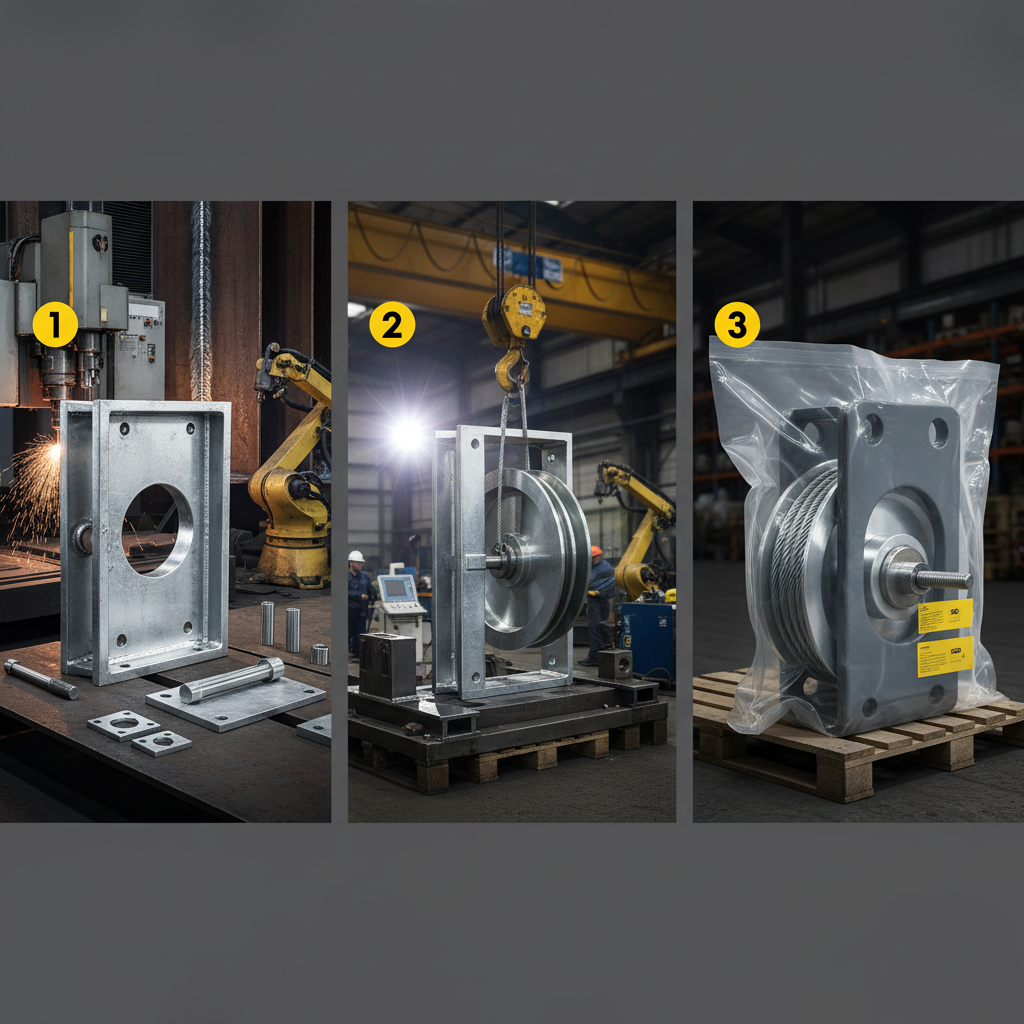
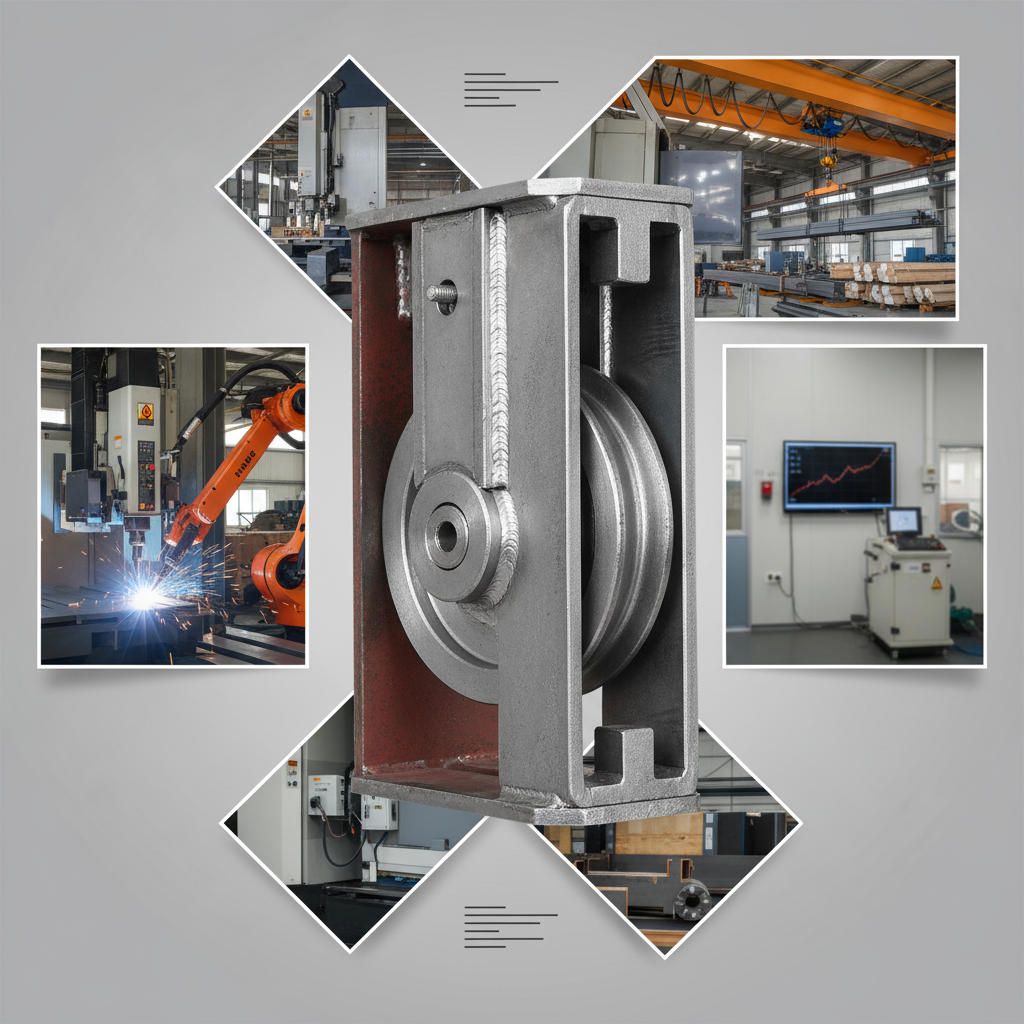
In the complex world of architectural hardware, the window pulley serves as a fundamental yet often overlooked mechanical component that ensures the seamless operation of sash windows. By converting rotational motion into linear movement, these precision-engineered wheels allow heavy glass panes to glide effortlessly, balancing functionality with structural integrity in both residential and commercial buildings.
The global demand for high-quality window hardware has surged as modern architecture shifts toward energy-efficient and durable materials. Understanding the nuances of pulley design—from material composition to bearing precision—is critical for contractors and manufacturers who aim to reduce long-term maintenance costs and improve user experience through silent, smooth operation.
Whether integrated into traditional weighted sash systems or modern sliding mechanisms, the right window pulley choice impacts the lifespan of the window frame and the safety of the occupants. This guide explores the technical specifications, global applications, and future innovations that define the current state of the window pulley industry.
Global Relevance of Window Pulley Hardware
From a global perspective, the window pulley is more than just a piece of metal; it is a critical component of urban infrastructure. In European heritage cities, the preservation of traditional sash windows relies heavily on the availability of high-grade pulleys that can withstand centuries of environmental stress while maintaining the original aesthetic of the architecture.
According to industrial standards aligned with ISO quality management, the precision of these components directly affects the energy efficiency of a building. A malfunctioning window pulley can lead to gaps in window sealing, causing significant heat loss and increasing carbon footprints in residential sectors globally.
Technical Definition and Industrial Meaning
In technical terms, a window pulley is a wheel on an axle or shaft designed to support the movement and change of direction of a taut cable or rope. In the context of the hardware industry, it is specifically engineered to facilitate the vertical or horizontal movement of window sashes, often working in tandem with counterweights to neutralize the gravity of heavy double-glazed glass.
Beyond the simple physics of leverage, the industrial meaning of the window pulley has evolved. It now represents the intersection of metallurgy and ergonomic design. Today's pulleys are not merely "wheels" but are composite systems involving advanced lubricants, anti-corrosive coatings, and precision-machined grooves to ensure that friction is minimized.
This component addresses the fundamental challenge of human-centric design: providing effortless control over heavy objects. By reducing the physical force required to operate a window, these pulleys enhance accessibility for elderly users and ensure that window systems operate safely without the risk of sudden drops or mechanical failure.
Core Components and Durability Factors
The longevity of a window pulley is primarily determined by its material composition. High-grade stainless steel and reinforced nylon are the industry standards, providing a balance between load-bearing capacity and resistance to oxidation in humid environments.
A critical factor is the bearing system within the window pulley. Sealed ball bearings are preferred over bushings because they significantly reduce friction and prevent dust and debris from entering the internal mechanism, which is the leading cause of "stuttering" movement in old windows.
Furthermore, the groove geometry must be precisely matched to the rope diameter. An incorrectly sized groove leads to rope wear and potential snapping, while a precision-fit pulley ensures an even distribution of tension, extending the life of the entire window assembly.
Performance Metrics and Comparative Efficiency
When evaluating the efficiency of different pulley designs, engineers look at the coefficient of friction and the load-to-weight ratio. A high-performance pulley allows for a significant reduction in the input force required to lift a window, which is essential for oversized commercial installations.
The following data illustrates how different material choices for the window pulley affect overall operational smoothness and durability over a 10-year cycle.
Efficiency Analysis of Window Pulley Material Types
Global Applications and Real-World Use Cases
The application of the window pulley extends far beyond simple home decor. In high-end hotel developments across Southeast Asia, these pulleys are integrated into massive soundproof glass walls that can be opened to create indoor-outdoor living spaces, requiring pulleys capable of handling immense weights without deformation.
In industrial zones, such as specialized laboratories or clean-room environments, pulleys are manufactured from non-shedding materials to prevent particulate contamination. Here, the pulley's role is not just mechanical but hygienic, ensuring that the movement of ventilation windows does not compromise the sterility of the environment.
Long-term Value and Sustainable Advantages
Investing in premium window pulleys provides tangible long-term financial value. By reducing the frequency of replacement and minimizing the wear and tear on the window frames, building owners can avoid costly structural repairs and the disruption of interior renovations.
From a sustainability angle, the use of recyclable metals and long-life bearings reduces the volume of hardware waste ending up in landfills. A pulley that lasts 30 years instead of 10 represents a significant reduction in the carbon footprint associated with mining, smelting, and transporting replacement parts.
Moreover, the emotional value of "silent luxury" cannot be overstated. The absence of screeching or grinding noises during window operation enhances the psychological comfort of a living space, creating an atmosphere of quality and reliability that increases the overall property value.
Future Trends in Window Pulley Innovation
The future of the window pulley is leaning heavily toward "smart" integration. We are seeing the emergence of pulley systems with embedded sensors that can detect wear and tear, notifying building managers through a digital dashboard when a component needs lubrication or replacement before a failure occurs.
Material science is also evolving, with the introduction of self-lubricating polymers and graphene-coated alloys. These innovations aim to eliminate the need for external oils or greases, which often attract dust and degrade over time, leading to a truly maintenance-free window operation.
Automation is another key trend, where the pulley system is integrated with electric motors and AI-driven climate control. Windows will automatically open or close based on air quality and temperature, requiring pulleys that can handle constant, automated cycles without the fatigue associated with manual use.
Comparison of Window Pulley Material Evolution and Performance
| Material Generation |
Wear Resistance |
Noise Level |
Expected Lifespan |
| Cast Iron (Traditional) |
Low |
High |
10-15 Years |
| Zinc Alloy |
Medium |
Medium |
15-20 Years |
| Stainless Steel 304 |
High |
Low |
25-30 Years |
| Engineered Nylon |
Medium-High |
Very Low |
20-25 Years |
| Self-Lubricating Polymer |
Very High |
Near Silent |
30+ Years |
| Graphene-Coated Alloy |
Ultra High |
Silent |
50+ Years |
FAQS
For traditional metal pulleys, lubrication every 12 to 24 months is recommended to prevent rust and reduce friction. However, for modern stainless steel or self-lubricating nylon pulleys, external lubrication is often unnecessary. Always check the manufacturer's guidelines to avoid using oils that might attract dust and create a grinding paste that damages the bearing.
Common warning signs include an audible screeching or grinding noise when opening the window, a feeling of "stiffness" or resistance, or the window sash failing to stay up on its own. If the sash moves in a jerky, uneven motion, the pulley bearing may have collapsed or the groove may have worn down, necessitating an immediate replacement for safety.
Yes, in many cases, you can. Nylon pulleys are often quieter and more resistant to corrosion. However, you must ensure that the load-bearing capacity of the nylon pulley matches the weight of your window sash. For extremely heavy, double-pane historic windows, a stainless steel pulley is generally recommended over nylon for superior structural strength.
The most critical measurement is the groove diameter, which must precisely match the thickness of your sash cord or cable. If the groove is too wide, the cord will rub against the sides; if too narrow, the cord will wear out quickly. Additionally, check the mounting hole distance to ensure the pulley fits into your existing window frame without modification.
Absolutely, especially for windows in coastal areas or high-humidity environments. Stainless steel prevents the oxidation and "seizing" that occurs with cheaper alloys. While the initial investment is higher, the lifespan is significantly longer, and the reduction in maintenance costs makes them the most cost-effective choice over a 20-year period.
Indirectly, yes. A smooth-operating pulley ensures that the window sash closes tightly and evenly against the weather-stripping. When pulleys are worn or seized, the sash often hangs crooked, creating air gaps that allow heat to escape in winter and enter in summer, thereby increasing your energy bills.
Conclusion
The window pulley, while a small component, is the unsung hero of architectural functionality, bridging the gap between heavy structural materials and effortless human interaction. From the precision of its bearings to the resilience of its materials, the quality of a pulley determines not only the smoothness of a window's movement but also the long-term durability and energy efficiency of the building it serves.
As we move toward a future of smart homes and sustainable construction, the evolution of pulley technology—incorporating self-lubricating materials and sensor-based monitoring—will continue to enhance our living environments. For those seeking to upgrade their hardware, prioritizing high-grade materials like stainless steel ensures a legacy of reliability and silent performance. Visit our website for professional solutions: www.aobangmetal.com