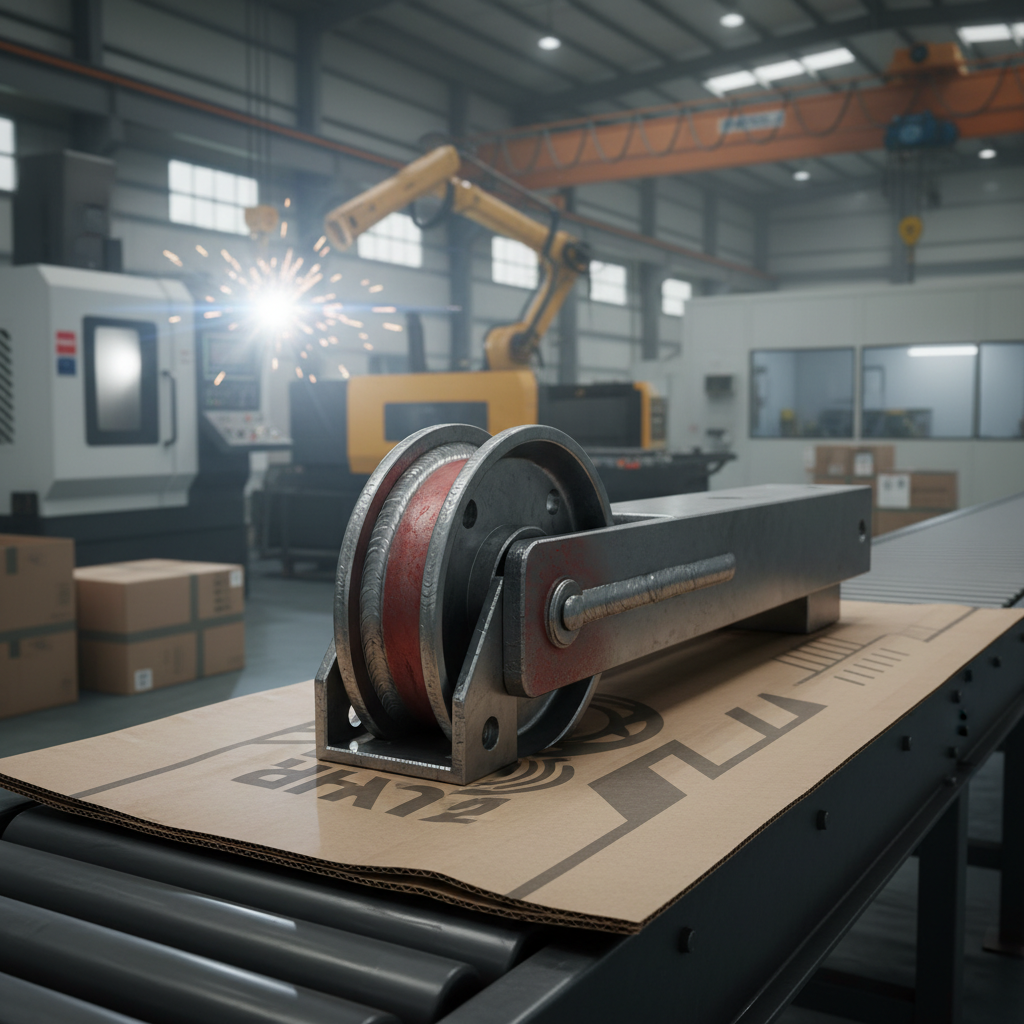
In the complex world of mechanical transmission and hardware engineering, the 2 pulley system serves as a fundamental building block for efficiency and load distribution. By utilizing a dual-wheel configuration, industries can significantly reduce the effort required to move heavy objects, making it an indispensable component in everything from industrial hoisting to architectural hardware.
Understanding the mechanics of a 2 pulley setup is not just about physics; it is about optimizing operational safety and longevity. Whether integrated into a sliding gate system or a heavy-duty crane, the synergy between two pulleys allows for a mechanical advantage that protects the equipment from premature wear and tear while increasing overall throughput.
Globally, the demand for high-precision hardware like the 2 pulley has surged as automation and smart manufacturing take center stage. This guide explores the technical nuances, global applications, and future innovations of these essential components, ensuring that engineers and procurement specialists can make informed decisions for their specific project needs.
The Fundamental Mechanics of 2 Pulley Systems
A 2 pulley system typically operates by distributing the weight of a load across two separate wheels, which effectively halves the tension required on the pulling line. This mechanical advantage is critical in the metal products industry, where precision and strength are paramount. By redirecting force and minimizing friction, these systems allow for smoother operation and reduced energy consumption during repetitive lifting or sliding tasks.
The versatility of the 2 pulley design allows it to be configured as either a fixed or a movable system. When one pulley is fixed and the other moves with the load, it creates a block-and-tackle effect that is essential for heavy-duty hardware applications. This flexibility ensures that the component can be adapted to various spatial constraints while maintaining peak performance.
Industrial Standards and Global Relevance
In the global manufacturing landscape, the standardization of components like the 2 pulley is governed by strict ISO and DIN standards to ensure interoperability. As international trade in metal products expands, the ability to source pulleys that meet precise tolerances is crucial for maintaining the safety of infrastructure projects across Europe, Asia, and the Americas.
Recent data from industrial hardware reports suggest that a significant percentage of mechanical failures in lifting systems stem from the use of substandard pulleys. By implementing high-grade materials in the 2 pulley assembly, manufacturers can reduce maintenance costs by up to 30%, directly impacting the bottom line of large-scale industrial operations.
The challenge facing the industry today is the balance between cost-efficiency and extreme durability. As cities grow vertically and industrial zones become more dense, the reliance on robust 2 pulley systems increases, necessitating a shift toward advanced alloy steels and wear-resistant coatings.
Core Components for Maximum Durability
The longevity of a 2 pulley system begins with the selection of the wheel material, often opting for galvanized steel or reinforced nylon to prevent corrosion in humid environments. The precision of the groove is equally important, as it ensures that the cable or rope does not slip or fray over time.
Central to the performance of the 2 pulley is the bearing system. High-quality ball bearings reduce rotational friction, allowing for a fluid motion that minimizes heat buildup and prevents the hardware from seizing under extreme pressure.
Finally, the structural housing that holds the 2 pulley must be engineered to withstand lateral forces. Proper heat treatment during the manufacturing process ensures that the frame does not warp, maintaining the alignment necessary for safe, long-term operation.
Performance Comparison Across Applications
When analyzing the efficiency of different pulley configurations, the 2 pulley system consistently outperforms single-wheel setups in terms of load capacity and user safety. By distributing the force, it allows operators to handle weights that would otherwise be dangerous or impossible with a simple pulley.
Comparing different materials used in these systems reveals that stainless steel options offer the best corrosion resistance, while carbon steel provides the highest raw strength. The following data illustrates the relative performance ratings of various 2 pulley material variations across key industrial metrics.
Comparative Performance of 2 Pulley Material Variants
Global Use Cases in Modern Infrastructure
In remote industrial zones and mining operations, the 2 pulley system is a lifeline for material transport. These environments often lack advanced power grids, making the mechanical advantage of a dual-pulley system essential for moving ores and equipment with minimal manual effort.
Similarly, in urban architecture, 2 pulley mechanisms are integrated into heavy-duty sliding doors, retractable awnings, and freight elevators. By ensuring a smooth, balanced transition of weight, these components prevent structural strain on buildings and enhance the longevity of the hardware.
Long-Term Economic and Safety Value
Investing in a high-quality 2 pulley system provides tangible long-term value through reduced downtime. When hardware fails in a production line, the cost of halted operations often far exceeds the initial cost of the components. Therefore, selecting precision-engineered pulleys is a strategic economic decision.
From a safety perspective, the stability provided by a 2 pulley configuration is unmatched. It reduces the risk of cable snaps by distributing tension more evenly, which protects workers in high-risk environments like construction sites or warehouses.
Moreover, the trust established between a manufacturer and a client depends on the reliability of these small but critical parts. A failure-free 2 pulley system signifies a commitment to quality, innovation, and user dignity by providing tools that work effortlessly.
Future Innovations in Pulley Technology
The future of the 2 pulley is leaning heavily toward "smart" materials and digital integration. We are seeing the emergence of self-lubricating polymers that eliminate the need for manual greasing, significantly reducing the environmental impact of industrial maintenance.
Automation is also playing a role, with some high-end 2 pulley systems now incorporating embedded sensors. These sensors can monitor wear and tear in real-time, alerting maintenance teams via IoT platforms before a failure occurs, thus transforming maintenance from reactive to predictive.
Sustainability is the final frontier. Manufacturers are now exploring recycled titanium and green-steel alloys for the 2 pulley to align with global carbon-neutral goals, ensuring that industrial progress does not come at the cost of the planet.
Technical Specification and Analysis of 2 Pulley Configurations
| Pulley Type |
Load Efficiency |
Wear Resistance |
Recommended Environment |
| Standard Steel 2 Pulley |
High |
Moderate |
General Workshop |
| Stainless 2 Pulley |
High |
Very High |
Marine/Chemical |
| Nylon Core 2 Pulley |
Medium |
High |
Light Industrial |
| Alloy Heavy 2 Pulley |
Extreme |
Extreme |
Mining/Construction |
| Galvanized 2 Pulley |
High |
Moderate |
Outdoor Storage |
| Composite 2 Pulley |
Medium |
High |
Automotive Parts |
FAQS
The primary advantage of a 2 pulley system is the mechanical advantage it provides. By distributing the weight across two wheels, it reduces the amount of force required to lift or move a load, typically reducing the effort by half in a movable configuration. This leads to increased safety, less physical strain on operators, and reduced wear on the cables used.
Material choice depends on the environment. For saltwater or chemical exposure, stainless steel 2 pulley units are essential. For extreme heavy lifting in mining, alloy steels are recommended. If noise reduction and lightweight operation are priorities, nylon or composite pulleys are the best fit. Always consider the load capacity and the corrosive nature of the surroundings.
Lubrication frequency for a 2 pulley depends on the duty cycle. In high-use industrial settings, monthly lubrication is standard. However, if you are using sealed bearings or self-lubricating polymers, maintenance intervals can be extended to six months or a year. Always check for signs of friction or noise, which indicate a need for immediate lubrication.
Yes, but they require high-precision bearings and balanced wheels to prevent vibration. In high-speed automation, a 2 pulley setup helps maintain tension consistency in belts or cables, ensuring that the automated movement is smooth and accurate. We recommend using hardened alloys to prevent deformation at high rotational speeds.
Look for "groove wear," where the cable has worn a deep path into the pulley wheel. Other signs include audible squeaking, jerky movement, or visible rust on the axles. If the 2 pulley system no longer provides a smooth mechanical advantage, it is likely that the bearings have failed and the unit should be replaced to avoid total system failure.
Absolutely. Most professional hardware manufacturers can customize the diameter, groove width, and material of a 2 pulley system to fit specific architectural or industrial requirements. Customization ensures that the pulley integrates perfectly with existing machinery, optimizing the mechanical advantage for the specific load weight of your project.
Conclusion
The 2 pulley system remains a cornerstone of mechanical efficiency, bridging the gap between raw force and controlled movement. From the precision of its bearings to the strength of its alloy housing, every detail contributes to a system that enhances productivity and ensures worker safety across various global industries. By integrating high-quality materials and adhering to international standards, these components provide the reliability needed for modern infrastructure to thrive.
Looking forward, the integration of smart sensors and sustainable materials will continue to evolve the 2 pulley from a simple mechanical tool into an intelligent industrial asset. We encourage engineers and procurement managers to prioritize durability and precision to secure long-term operational success. For more information on high-performance hardware solutions, visit our website: www.aobangmetal.com