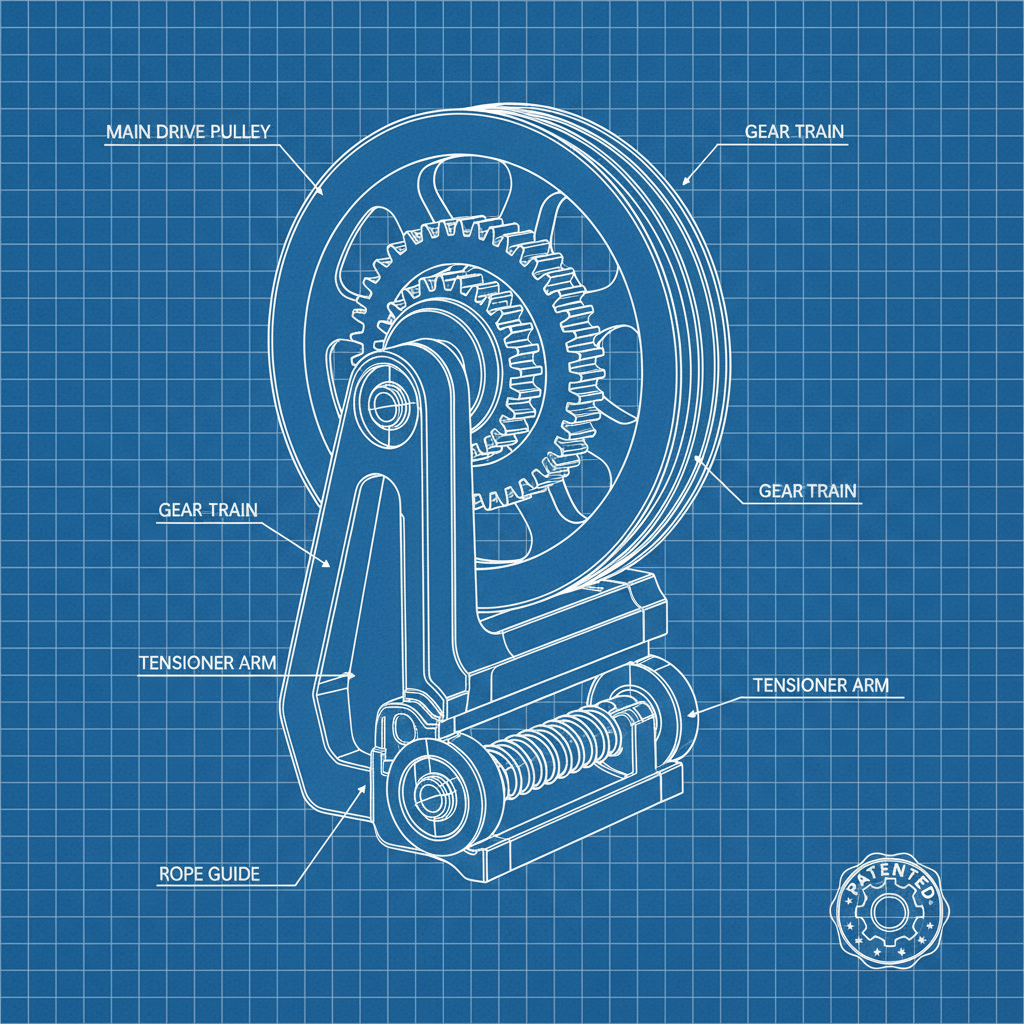
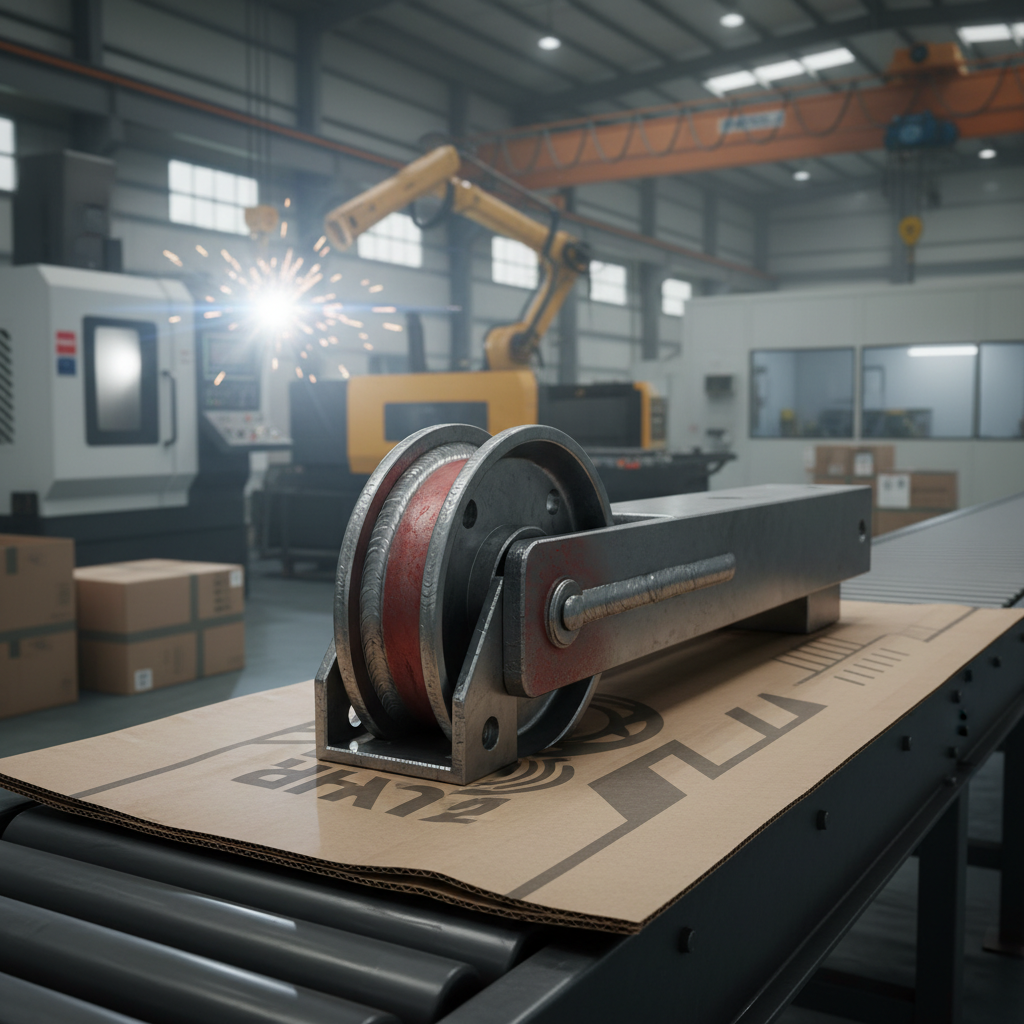
The concept of the fixed pulley remains one of the most fundamental yet indispensable elements in the realm of mechanical engineering and hardware manufacturing. By allowing the redirection of force without altering the magnitude of the load, these components provide the essential structural stability required for countless industrial lifting and guiding systems worldwide.
In the modern manufacturing landscape, the efficiency of a fixed pulley is not merely about rotating a wheel, but about the precision of material science and the reduction of friction. As global infrastructure demands grow, the need for high-durability hardware that can withstand extreme tensions and environmental corrosion has become a critical priority for engineers and project managers alike.
Understanding the nuances of these components—from their load-bearing capacities to their integration into complex pulley systems—allows industries to optimize safety and operational speed. Whether used in simple domestic gates or heavy-duty industrial cranes, the right choice of a fixed pulley ensures long-term reliability and reduces the overall cost of maintenance.
The Fundamental Mechanics of Fixed Pulleys
At its core, a fixed pulley operates as a simple machine that changes the direction of an applied force. Unlike movable pulleys, which provide mechanical advantage to lift heavier loads with less effort, the fixed variety is anchored to a stationary support. This makes it an ideal choice for applications where the primary goal is to move a load vertically or horizontally from a more convenient pulling position.
The efficiency of this system depends heavily on the coefficient of friction between the rope or cable and the pulley wheel. High-quality manufacturing ensures that the wheel rotates smoothly on its axle, minimizing energy loss and reducing wear and tear on the cable. By precisely controlling the groove geometry, manufacturers can prevent cable slippage, ensuring that the force transfer is consistent and safe under varying load conditions.
Industrial Standards and Material Selection
Selecting the right material for a fixed pulley is crucial for ensuring operational longevity. In heavy industrial environments, hardened steel and stainless steel are the gold standards due to their immense tensile strength and resistance to deformation. For environments exposed to salt spray or chemical agents, 316-grade stainless steel is often specified to prevent oxidative corrosion that could seize the bearing.
Beyond the wheel, the housing and the axle must be engineered to complement the load requirements. ISO standards guide the tolerances of these components to ensure that pulleys can be swapped or integrated into larger systems without misalignment. Precision machining of the axle ensures a perfect fit, which is essential for maintaining the rotational balance of the pulley during high-speed operations.
In specialized applications, such as light-duty architectural hardware or interior design, nylon or reinforced polymers are sometimes used. While they lack the raw strength of metal, they offer the advantage of being noise-reducing and lightweight, proving that the application of a fixed pulley extends far beyond just heavy lifting into the realm of functional aesthetics.
Core Components for Maximum Durability
The structural integrity of a fixed pulley begins with the sheave. The sheave is the wheel that holds the rope; its profile must be perfectly matched to the cable diameter to avoid uneven wear. A well-engineered sheave distributes the pressure evenly across its surface, extending the lifespan of both the pulley and the cable.
Bearings represent the heart of the fixed pulley system. Whether using ball bearings for high-speed efficiency or bushings for heavy, slow-moving loads, the bearing's ability to minimize friction is what determines the overall energy efficiency of the machine. Sealed bearings are particularly valuable in outdoor settings to keep dust and moisture from compromising the internal lubricant.
Finally, the mounting bracket or frame ensures that the fixed pulley remains secure under peak loads. A failure in the mounting point can lead to catastrophic system collapse. Therefore, high-grade welding and reinforced attachment points are non-negotiable requirements for any professional-grade hardware installation.
Performance Metrics in Real-World Scenarios
Measuring the performance of a fixed pulley involves analyzing factors such as load capacity, rotational friction, and fatigue resistance. In a commercial setting, a pulley that maintains 98% efficiency over a million cycles is vastly superior to one that degrades quickly. This reliability is what allows facilities to run 24/7 operations without frequent downtime for hardware replacement.
When comparing different pulley designs, engineers look at the ratio of input force to output movement. While the fixed pulley does not multiply force, its ability to provide a stable pivot point is what enables the creation of complex block-and-tackle systems. By combining fixed pulleys with movable ones, industries can achieve massive mechanical advantages for lifting heavy machinery.
Performance Efficiency of Different Fixed Pulley Configurations
Global Applications and Sector Use Cases
Across the globe, the fixed pulley is used in diverse settings. In the logistics sector, they are integral to conveyor systems and automated sorting hubs, where cables must be routed around tight corners without fraying. In the construction industry, they are found in simple hoist systems and window installation rigs, providing a safe way to elevate materials to high floors.
Furthermore, in maritime environments, the fixed pulley is essential for rigging and sail management. The harsh conditions of the ocean require pulleys that can withstand constant salt exposure and extreme tension. From the smallest boat winch to the largest shipping crane, the reliance on a robust fixed pulley is a constant across the nautical world.
Long-Term Value and Economic Advantages
Investing in a premium fixed pulley provides significant long-term economic value through the reduction of "Total Cost of Ownership" (TCO). While a cheaper pulley might save costs initially, the frequency of replacement and the potential for operational downtime often make it more expensive in the long run. High-grade components reduce the friction that wears down expensive steel cables, effectively extending the life of the entire system.
Safety is another intangible but critical value. A pulley failure in an industrial setting can lead to costly accidents, legal liabilities, and loss of productivity. By choosing certified hardware that meets strict load-bearing specifications, companies invest in the safety and dignity of their workers. This reliability builds trust between the manufacturer and the end-user.
Moreover, the sustainability angle cannot be ignored. Durable fixed pulley units are recyclable and require fewer resources to maintain. By reducing the waste generated by frequent hardware failures, industries contribute to a more sustainable manufacturing cycle, aligning their operations with global green initiatives.
Future Innovations in Pulley Technology
The future of the fixed pulley is being shaped by advancements in materials science, specifically the introduction of carbon-fiber composites and nano-coatings. These new materials promise to reduce the weight of the pulley without sacrificing load capacity, allowing for faster acceleration in automated systems and lower energy consumption.
Digital transformation is also reaching the hardware level. We are seeing the emergence of "smart pulleys" equipped with embedded sensors that can monitor tension and wear in real-time. These sensors can alert maintenance crews before a part fails, shifting the industry from reactive maintenance to predictive maintenance, thus eliminating unplanned downtime.
Sustainability policies are also driving the development of bio-lubricants for pulley bearings, reducing the environmental impact of leakage. As automation and robotics continue to expand, the fixed pulley will evolve from a simple mechanical part into a precision-engineered component of an integrated digital ecosystem.
Comparative Analysis of Pulley Technical Specifications
| Pulley Model |
Material Grade |
Max Load (kN) |
Corrosion Resistance |
| Industrial-A1 |
Hardened Steel |
50 |
Medium |
| Marine-S2 |
SS 316 Stainless |
35 |
Excellent |
| Light-P3 |
Reinforced Nylon |
10 |
High |
| Heavy-C4 |
Cast Iron |
80 |
Low |
| Precision-X5 |
Alloy Steel |
45 |
Medium |
| Eco-G6 |
Recycled Composite |
20 |
High |
FAQS
A fixed pulley is attached to a stationary support and only changes the direction of the force, meaning it does not provide a mechanical advantage. In contrast, a movable pulley is attached to the load itself and reduces the amount of force needed to lift that load, effectively doubling the mechanical advantage in a simple setup.
For outdoor use, corrosion resistance is key. We recommend 316 stainless steel for coastal or high-moisture areas. If the environment is less corrosive but requires high strength, galvanized steel is a cost-effective option. Always ensure the bearings are sealed to prevent dust and water ingress.
Yes, if the pulley is properly engineered. A fixed pulley with a precision-machined groove and high-quality bearings ensures the cable glides smoothly without rubbing against sharp edges. This reduces friction and prevents premature fraying of the cable strands.
Regular maintenance includes lubricating the axle or bearings (if they aren't sealed), inspecting the sheave for flat spots or grooves, and checking the mounting bolts for tightness. Periodic cable alignment checks are also recommended to ensure the rope is not tracking off-center.
Generally, no. While polymer pulleys are excellent for light-duty, noise-sensitive, or corrosive environments, they lack the structural strength for heavy industrial loads. For any application exceeding 10-15kN, steel or alloy pulleys are necessary for safety and durability.
The energy efficiency is directly tied to the rotational friction. By using high-precision ball bearings and low-friction materials, a fixed pulley can minimize energy loss during force transmission, which reduces the load on the motor and lowers overall electricity consumption.
Conclusion
The fixed pulley may seem like a simple tool, but its role in the global industrial infrastructure is profound. From the selection of high-grade stainless steel to the integration of precision bearings, every detail contributes to the safety, efficiency, and longevity of lifting and guiding systems. By understanding the balance between material science and mechanical application, businesses can optimize their operations and reduce long-term maintenance costs.
Looking ahead, the integration of smart sensors and sustainable materials will continue to elevate the standards of pulley manufacturing. For those seeking to enhance their hardware reliability, investing in high-precision, certified components is the only way to ensure operational success in an increasingly demanding industrial world. Visit our website for more professional solutions: www.aobangmetal.com