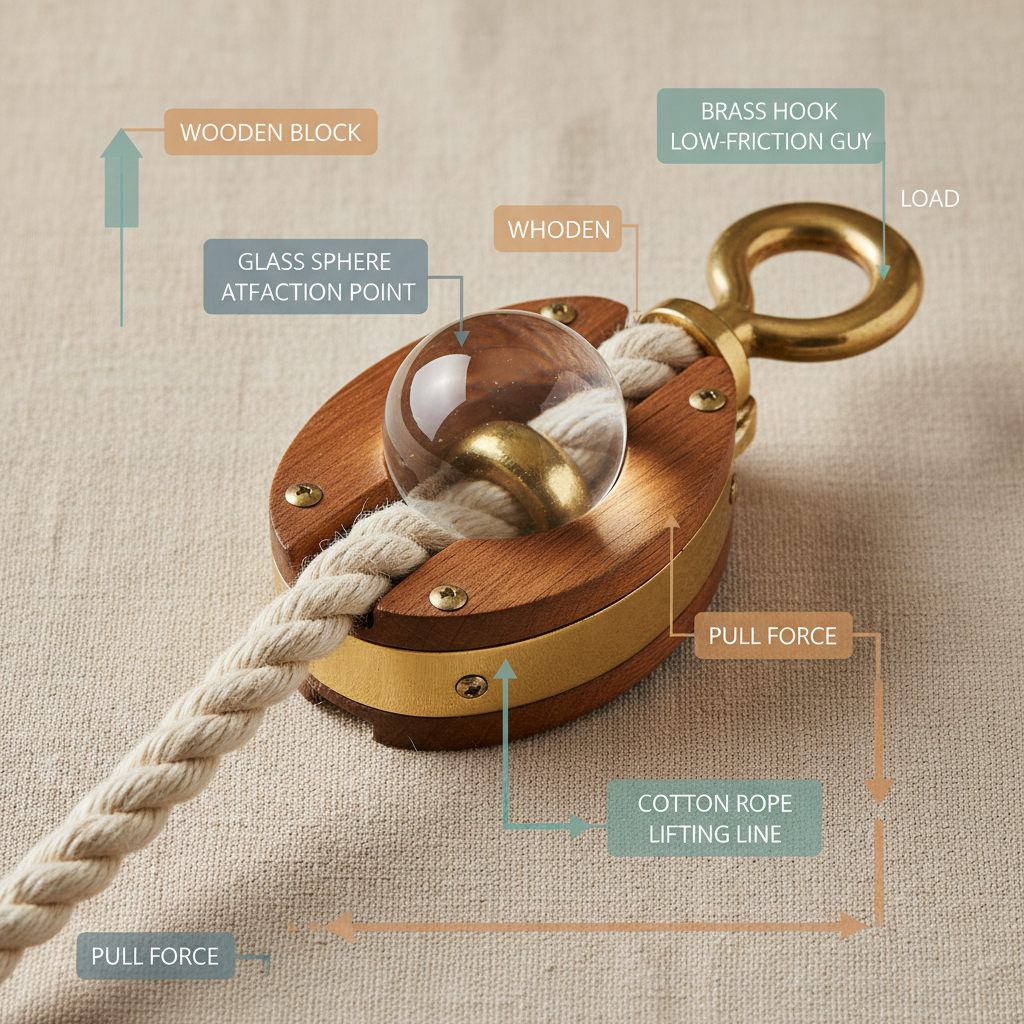
In the complex world of industrial motion control, the v groove pulley stands as a fundamental component that bridges the gap between raw power and precise movement. These specialized wheels are engineered to guide cables, ropes, or belts along a designated path, ensuring that mechanical systems operate with minimal friction and maximum stability. From heavy-duty sliding gates to intricate conveyor systems, the geometry of the V-groove is specifically designed to center the load, preventing slippage and reducing wear and tear on the driving medium.
Globally, the demand for high-precision hardware has surged as manufacturing sectors shift toward automation and increased durability. The integration of a high-quality v groove pulley allows engineers to design systems that can withstand extreme environmental pressures while maintaining tight tolerances. Whether it is in the construction of modern architectural facades or the internal workings of industrial machinery, the ability to maintain a secure grip on the track is paramount to operational safety and efficiency.
Understanding the nuances of pulley design—from material selection to groove angle—is essential for any procurement manager or engineer looking to optimize their hardware chain. By selecting the right configuration, businesses can significantly reduce downtime caused by mechanical failure and extend the lifecycle of their equipment. This guide delves into the technical specifications, global applications, and future innovations surrounding the v groove pulley to provide a comprehensive resource for industry professionals.
Global Industrial Relevance of v groove pulley
The global industrial landscape relies heavily on the seamless movement of components, where the v groove pulley plays a critical role in maintaining systemic alignment. According to ISO standards for mechanical transmission, the precision of the groove determines the efficiency of power transfer and the longevity of the bearing. In rapidly expanding markets across Southeast Asia and Latin America, the adoption of standardized V-groove hardware has enabled the scaling of infrastructure projects, from automated warehouses to urban transport systems.
However, many industries still struggle with premature wear and misalignment due to the use of substandard materials. The challenge lies in balancing cost-efficiency with the rigorous demands of high-load environments. By implementing precision-engineered v groove pulley solutions, companies can mitigate the risk of catastrophic failure, ensuring that safety protocols are met while maximizing the throughput of their mechanical assets.
Fundamental Design and Technical Meaning
At its core, a v groove pulley is a wheel characterized by a V-shaped concave channel across its circumference. This specific geometry is not arbitrary; it is designed to create a wedge effect when a belt or cable is seated within the groove. This wedge action increases the surface contact and friction between the pulley and the medium, which allows for the transmission of higher torque without the need for excessive tension that could damage the bearings.
In the context of modern metal manufacturing, these pulleys are more than just simple wheels; they are precision instruments. The angle of the V-groove must perfectly match the profile of the track or belt to prevent "bottoming out," where the belt touches the bottom of the groove and loses its gripping capability. When correctly synchronized, the pulley ensures a self-centering mechanism that allows the system to remain stable even under varying loads or slight structural shifts.
Beyond industrial machinery, the meaning of the v groove pulley extends to humanitarian and urban development. In remote regions where complex electronics are impractical, these mechanical solutions provide reliable ways to move water, lift supplies, or secure temporary shelters. Their simplicity, combined with the robustness of metal fabrication, makes them an indispensable tool for sustainable development and basic infrastructure.
Core Components for Maximum Durability
The lifespan of a v groove pulley is primarily determined by its material composition. High-grade carbon steel, stainless steel, and specialized alloys are frequently used to ensure that the pulley can withstand abrasive environments. The choice of material directly impacts the pulley's resistance to corrosion and its ability to maintain structural integrity under repetitive stress cycles.
Precision bearing integration is another critical factor. A v groove pulley is only as effective as the bearing it rotates upon. Sealed ball bearings are typically employed to prevent dust and moisture from entering the inner race, which is vital for pulleys used in outdoor sliding gates or industrial conveyor belts where debris is common.
Finally, surface treatment and finishing play a pivotal role in long-term performance. Whether through galvanization, powder coating, or chrome plating, the exterior of the v groove pulley must be protected against oxidation. A smooth, precision-ground finish inside the groove also minimizes friction, reducing the energy required to drive the system and extending the life of the belt or cable.
Performance Metrics and Efficiency Analysis
Measuring the efficiency of a v groove pulley requires looking at the relationship between load capacity and friction loss. In high-performance environments, the goal is to achieve the highest possible grip with the lowest possible rotational resistance. This is often achieved through optimized groove angles and the use of low-friction alloys that maintain their shape under extreme pressure.
When comparing different pulley configurations, engineers often use a weighted rating system to determine which model best suits their specific application. This involves analyzing factors such as load-bearing capacity, corrosion resistance, and ease of installation. The following data illustrates how different v groove pulley variants perform across these critical dimensions.
Efficiency Ratings by v groove pulley Variant
Real-World Global Applications
The versatility of the v groove pulley is evident in its wide array of applications across different sectors. In the architectural industry, these pulleys are the backbone of sliding gate systems and heavy-duty door mechanisms found in commercial warehouses. Their ability to keep a heavy gate perfectly aligned on its track ensures both operational ease and safety for personnel moving in and out of facilities.
Beyond urban infrastructure, these components are vital in agricultural and mining zones. In remote industrial sites, v groove pulley systems are used in ore transport belts and grain elevators, where the environment is often dusty and corrosive. The robust design prevents the belts from slipping off the rollers, which is critical in preventing costly downtime and hazardous accidents in high-risk work zones.
Long-Term Value and Reliability Advantages
Investing in a premium v groove pulley provides tangible long-term value by reducing the Total Cost of Ownership (TCO). While lower-cost alternatives may seem attractive initially, they often lead to increased maintenance costs and frequent replacements. High-quality pulleys reduce the friction on the belt, which in turn lowers the energy consumption of the motor driving the system, contributing to overall sustainability.
From a safety perspective, the reliability of a precision-engineered pulley is non-negotiable. In applications like industrial lifts or security gates, a pulley failure could lead to severe injuries. The psychological peace of mind that comes from using certified, load-tested hardware allows facility managers to focus on productivity rather than constant troubleshooting. This reliability fosters trust between the hardware provider and the end-user.
Furthermore, the scalability offered by standardized v groove pulley designs allows for easy upgrades and repairs. Because these components follow strict industrial dimensions, replacing a worn pulley does not require a complete redesign of the machine. This modularity ensures that industrial systems can evolve and be maintained over decades, providing a stable foundation for growth.
Future Trends in Pulley Manufacturing
The future of the v groove pulley is being shaped by the digital transformation of manufacturing. The adoption of 3D metal printing (additive manufacturing) is allowing for the creation of pulleys with internal lattice structures, which significantly reduce the weight of the component without compromising its load-bearing capacity. This reduction in mass leads to lower inertia and higher energy efficiency in high-speed applications.
Sustainability is also driving innovation in material science. We are seeing a shift toward "green" coatings and recycled high-strength alloys that reduce the carbon footprint of the manufacturing process. Additionally, the integration of smart sensors within the bearing housing of the v groove pulley is enabling predictive maintenance. These sensors can detect vibration patterns or temperature increases, alerting operators to a potential failure before it occurs.
As automation and robotics continue to proliferate, the demand for ultra-precision pulleys will grow. The next generation of v groove pulley designs will likely incorporate nano-coatings to virtually eliminate friction and wear. This convergence of material science, IoT, and precision engineering will ensure that these humble components remain central to the global industrial engine.
Comparative Analysis of v groove pulley Material and Performance
| Material Type |
Load Capacity |
Corrosion Resistance |
Maintenance Cycle |
| Carbon Steel |
Very High |
Low |
Short (6 mo) |
| Stainless Steel 304 |
High |
Very High |
Long (24 mo) |
| Galvanized Steel |
High |
Medium |
Medium (12 mo) |
| Aluminum Alloy |
Medium |
High |
Medium (18 mo) |
| Hardened Alloy |
Extreme |
Medium |
Long (36 mo) |
| Nylon-Coated Steel |
Medium |
High |
Medium (12 mo) |
FAQS
The primary difference lies in the cross-section of the wheel. A v groove pulley has a V-shaped profile that creates a wedging effect, providing superior grip and centering for belts or cables. In contrast, a u groove pulley has a rounded, semi-circular profile, which is typically better suited for rounded cables or tracks where lower friction and easier lateral movement are required. For heavy loads and high-torque applications, the V-groove is generally the preferred choice.
Material selection depends on your environment. For high-load industrial machinery in dry areas, carbon steel is cost-effective and strong. For outdoor applications, such as sliding gates exposed to rain or salt air, stainless steel or galvanized steel is essential to prevent rust. If your application requires a lightweight component with decent corrosion resistance, aluminum alloys are an excellent alternative. Always consider the balance between the operating load and the ambient humidity.
The most common failures are caused by misalignment, lack of lubrication in the bearings, and the use of mismatched groove angles. Misalignment leads to uneven wear on one side of the groove, eventually causing the belt to slip or jump. Overloading the pulley beyond its rated capacity can also lead to deformation of the V-shape. Regular inspection and ensuring that the track is perfectly level can prevent the vast majority of these issues.
Yes, provided that the pulley is dynamically balanced and uses high-speed rated bearings. At high speeds, centrifugal force can cause belts to shift; the V-groove's centering ability helps mitigate this. However, it is crucial to use materials with high thermal stability to prevent expansion due to friction heat, which could alter the groove's dimensions and lead to instability. Precision-ground alloy steels are typically recommended for these scenarios.
Inspection frequency depends on the duty cycle. For 24/7 industrial operations, a monthly visual check for groove wear and bearing noise is recommended. For residential or light commercial use, a bi-annual check is usually sufficient. Look for "cupping" in the groove (where the V-shape becomes rounded) and check for any play in the wheel's rotation. Replacing a pulley at the first sign of significant wear is far cheaper than replacing a snapped belt or a damaged track.
They are specifically compatible with V-belts and cables that match the groove's angle and width. Using a belt that is too narrow will result in poor grip and rapid wear at the bottom of the groove. Conversely, a belt that is too wide will not sit deeply enough, increasing the risk of slippage. Always verify the belt's cross-sectional dimensions against the pulley's technical specifications to ensure a perfect mechanical fit.
Conclusion
In summary, the v groove pulley is a deceptively simple component that provides the critical stability and grip necessary for a wide range of industrial and architectural applications. By focusing on high-quality materials, precision bearing integration, and correct groove geometry, manufacturers can ensure that their systems operate with maximum efficiency and minimum downtime. From the fundamental physics of the wedging effect to the advanced implementation of smart sensors, the evolution of the V-groove pulley mirrors the broader trends of industrial optimization and reliability.
Looking forward, the integration of additive manufacturing and sustainable materials will continue to push the boundaries of what these components can achieve. For businesses seeking to enhance their operational safety and reduce long-term maintenance costs, investing in precision-engineered hardware is the most logical path forward. We encourage you to evaluate your current hardware chain and upgrade to solutions that offer a balance of durability and performance. Visit our website for more professional solutions: www.aobangmetal.com