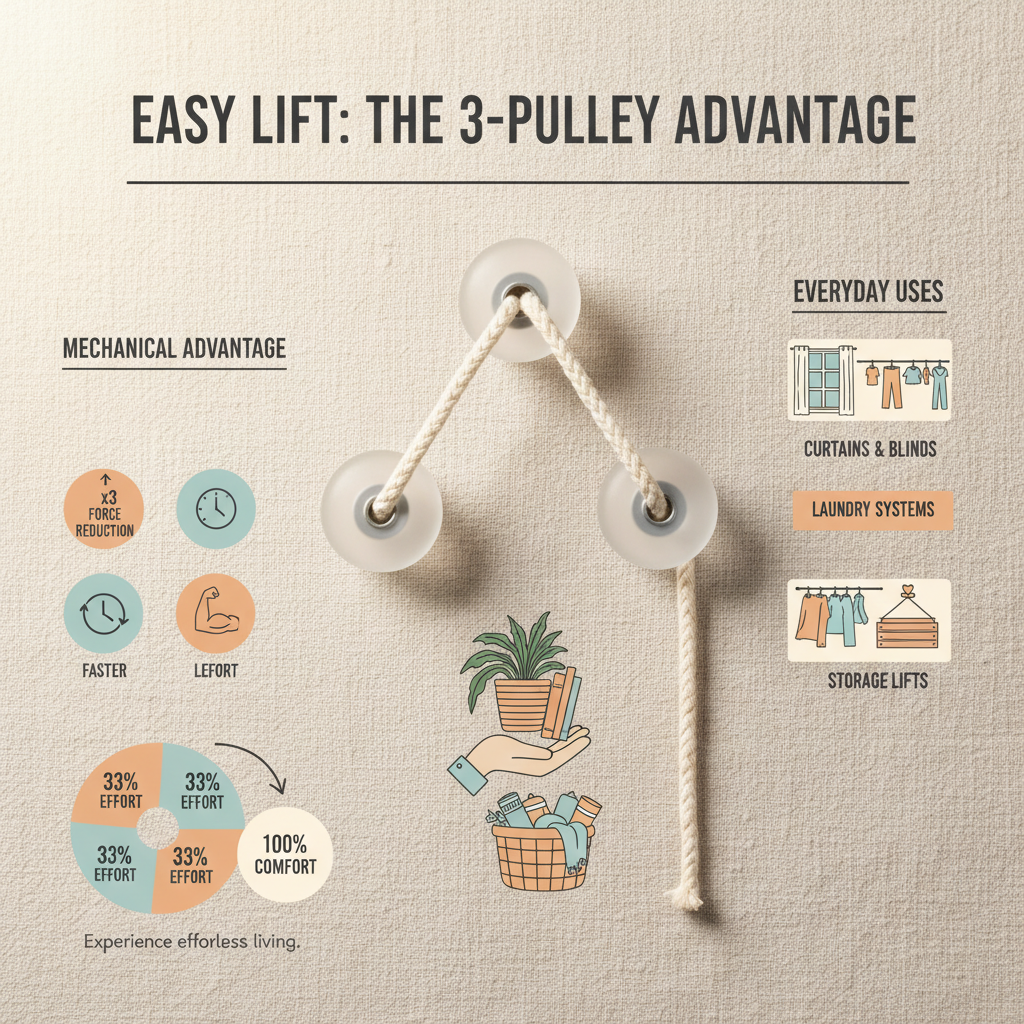
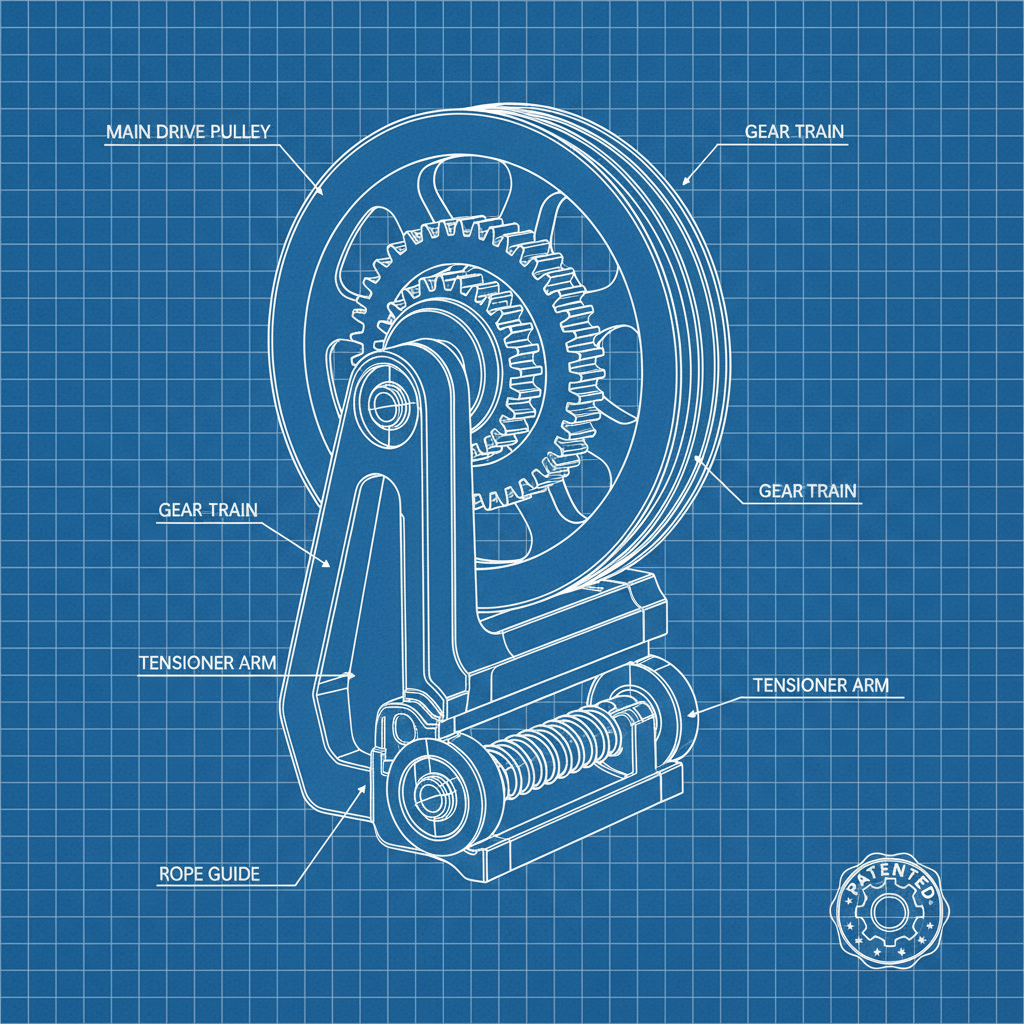
The integration of the 3 pulley system represents a fundamental leap in mechanical efficiency within the hardware manufacturing sector. By leveraging the principles of mechanical advantage, these triple-wheel configurations allow industries to redirect force and lift heavy loads with significantly reduced manual effort, making them indispensable in modern logistics and construction.
Across the global industrial landscape, the adoption of a high-quality 3 pulley setup is no longer just a luxury but a necessity for operational safety and productivity. From the heavy-duty demands of metal fabrication to the precision required in architectural iron art, these components ensure that movement is fluid and stress on the hardware is distributed evenly.
Understanding the technical nuances of the 3 pulley configuration helps procurement managers and engineers optimize their supply chains. By focusing on material durability and precision engineering, companies can reduce downtime and maintenance costs, ensuring that their hoisting and sliding systems operate at peak performance for years.
Global Industrial Relevance of 3 Pulley Systems
In the current global manufacturing climate, the demand for high-efficiency load-bearing hardware has surged. The 3 pulley system has become a gold standard for industries requiring a balance between load capacity and spatial constraints. According to international ISO standards for mechanical components, the precision of pulley alignment directly correlates with the lifespan of the cables and the safety of the operator.
The challenge most industries face is the degradation of hardware under extreme stress or corrosive environments. By implementing a specialized 3 pulley assembly, engineers can mitigate these risks, ensuring that the mechanical advantage is maintained even under the most grueling industrial conditions found in heavy metal fabrication.
Technical Definition and Mechanical Logic of 3 Pulley
At its core, a 3 pulley system is a compound mechanism consisting of three rotating wheels with grooved rims, designed to support movement and change the direction of a tensile force. Unlike a single pulley, which only changes direction, the 3 pulley configuration can be arranged as a block and tackle, which multiplies the input force, allowing a user to lift a weight that would otherwise be impossible.
This mechanical logic is deeply connected to the modern need for energy efficiency. By reducing the physical exertion required for lifting or sliding operations, the 3 pulley system decreases the risk of workplace injuries and allows for more precise control over heavy iron art installations or industrial gate systems.
In the context of hardware manufacturing, the "3 pulley" designation often refers to the specific alignment and spacing of the wheels, which prevents cable overlapping and minimizes friction. This geometric precision ensures that the system operates smoothly, reducing the wear and tear on the supporting hinges and ground piles.
Core Components Ensuring 3 Pulley Durability
The longevity of a 3 pulley assembly depends heavily on the grade of steel used in its construction. High-carbon steel or stainless steel alloys are typically employed to resist deformation under heavy loads, ensuring that the 3 pulley maintains its structural integrity over millions of cycles.
Bearing precision is the second critical factor. Industrial-grade ball bearings integrated into each of the three wheels reduce rotational friction. When a 3 pulley system is equipped with sealed, lubricated bearings, the energy loss is minimized, and the smoothness of the operation is significantly enhanced.
Finally, the surface treatment—such as galvanization or powder coating—protects the 3 pulley from oxidation. In environments like coastal warehouses or chemical plants, this protective layer prevents rust from seizing the wheels, thereby extending the replacement cycle of the hardware.
Comparative Performance Analysis of 3 Pulley Variants
Not all 3 pulley systems are created equal. Depending on the application, one might choose between a fixed-axis configuration for stability or a swiveling configuration for versatility. The choice impacts the "mechanical advantage" ratio, which determines how much force is actually required to move the load.
When comparing different materials, nylon-coated wheels offer quieter operation for interior architectural use, while solid steel wheels are mandatory for heavy industrial lifting. The following data illustrates the performance ratings of various 3 pulley configurations across key industrial metrics.
Performance Metrics for 3 Pulley Configurations
Real-World Applications of 3 Pulley Hardware
In the realm of architectural iron art, the 3 pulley is frequently used in sliding gate mechanisms and decorative hoisting systems. These applications require a high degree of aesthetic finish combined with silent operation, ensuring that the luxury of the design is not marred by mechanical noise.
Beyond aesthetics, the 3 pulley system is vital in remote industrial zones for the movement of raw materials. In disaster-relief operations, portable 3 pulley rigs are used to lift supplies into inaccessible areas, demonstrating the system's reliability and ease of deployment in high-pressure environments.
Long-Term Value and Economic Impact of 3 Pulley
Investing in a premium 3 pulley system yields significant long-term economic advantages. While the initial cost of high-grade alloys may be higher, the reduction in frequency of replacements and the decrease in labor hours required for maintenance lead to a lower Total Cost of Ownership (TCO).
From a safety perspective, the reliability of a well-engineered 3 pulley reduces the risk of catastrophic failure. In an industrial setting, a single pulley failure can lead to expensive downtime or serious accidents; thus, the "peace of mind" provided by a certified system is an intangible but vital value.
Moreover, the sustainability of using durable 3 pulley hardware aligns with global green manufacturing trends. By producing components that last decades rather than years, manufacturers reduce metal waste and the carbon footprint associated with repeated shipping and fabrication.
Future Innovations in 3 Pulley Manufacturing
The future of the 3 pulley system lies in the integration of "smart materials." We are seeing the emergence of self-lubricating polymers and nano-coatings that practically eliminate the need for manual greasing, ensuring that the 3 pulley remains frictionless even in dusty or sandy environments.
Digital transformation is also reaching the hardware level. The integration of miniature IoT sensors within the pulley housing can now alert maintenance teams when a bearing is showing signs of wear, transitioning the industry from reactive to predictive maintenance.
As automation increases in the metal products industry, we expect to see 3 pulley systems that are optimized for robotic interaction, featuring standardized mounting points and reinforced housings to handle the consistent, high-speed cycles of automated warehouses.
Analysis of 3 Pulley Material and Performance Specifications
|
Material Grade
|
Load Capacity (Tons)
|
Wear Resistance (1-10)
|
Recommended Use Case
|
| Cast Iron |
2.5 |
6 |
Standard Workshop |
| Stainless 304 |
1.8 |
9 |
Marine Environments |
| Hardened Alloy |
5.0 |
10 |
Heavy Mining |
| Galvanized Steel |
3.0 |
7 |
Outdoor Construction |
| Polyurethane Blend |
0.5 |
5 |
Light Decorative Art |
| Titanium Alloy |
4.0 |
10 |
Aerospace Hardware |
FAQS
The primary advantage of a 3 pulley system is the mechanical advantage it provides. By distributing the load across three wheels, the amount of force required to lift or move an object is significantly reduced. This allows for the handling of much heavier loads with less physical effort and increased safety for the operator, which is critical in industrial metalwork.
Lubrication frequency depends on the environment. In a clean indoor setting, every 6 months is typically sufficient. However, in dusty or corrosive outdoor environments, monthly checks are recommended. Using high-pressure grease ensures that the bearings within the 3 pulley remain smooth and resistant to wear.
Yes, but it depends on the groove finish. For nylon cables, the 3 pulley must have a smooth, polished rim to prevent the cable from fraying. If the load is heavy, steel cables are preferred for their higher tensile strength, whereas nylon is excellent for lightweight architectural applications.
Key indicators include audible grinding noises during operation, visible flat spots on the wheels, or a noticeable increase in the force required to move the load. If the pulley begins to wobble or the cable jumps the track, the 3 pulley system should be replaced immediately to avoid accidents.
Standard 3 pulley systems may struggle in extreme heat as lubricants can break down. However, by using specialized high-temperature alloys and heat-resistant synthetic lubricants, these systems can be customized for foundries or heat-treatment plants without losing efficiency.
Consider three factors: the maximum expected load, the environmental conditions (corrosive vs. dry), and the required frequency of use. For heavy industrial lifting, prioritize hardened alloys; for decorative iron art, focus on stainless steel or polished finishes for a cleaner look.
Conclusion
In summary, the 3 pulley system is a cornerstone of efficient mechanical design in the hardware and metal products industry. By blending the laws of physics with advanced material science, these systems provide the necessary mechanical advantage to enhance productivity, ensure operator safety, and reduce long-term operational costs across various sectors, from heavy construction to fine iron art.
Looking forward, the evolution toward smart, self-maintaining 3 pulley hardware will further revolutionize how we handle heavy loads. We encourage engineers and procurement specialists to prioritize quality and material certification to ensure the longevity of their installations. To explore our full range of high-performance pulley solutions, visit our website: www.aobangmetal.com.