




Understanding Hinge Styles: A Comprehensive Guide
Choosing the right hinge is crucial for the functionality and longevity of any project, from furniture making to door installation. The variety of hinge styles available can be overwhelming, so understanding their characteristics is key. This article provides a detailed overview of common hinge styles, their applications, and factors to consider when making a selection. We'll explore the advantages and disadvantages of each type to help you make the best choice for your needs.
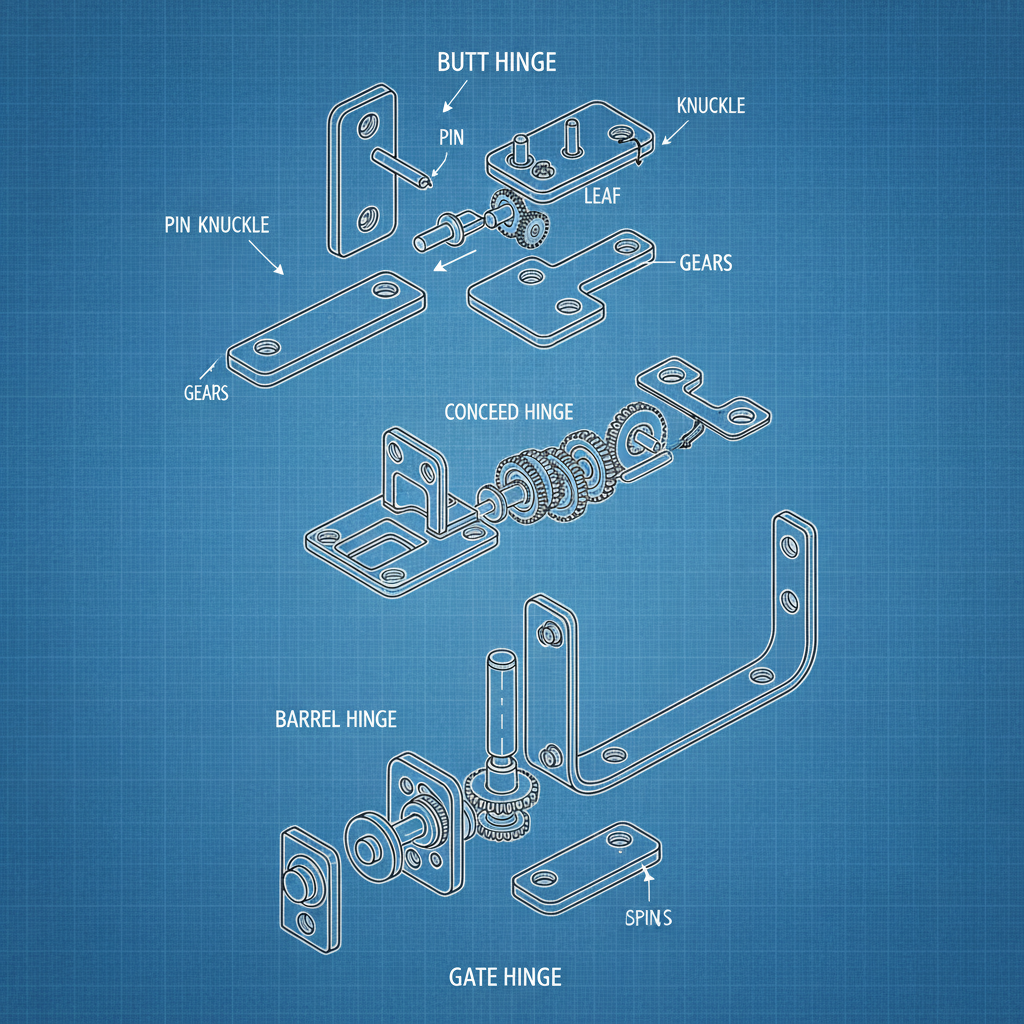
Common Hinge Styles Explained
There's a wide range of hinge styles designed for specific applications. Some of the most common include butt hinges, strap hinges, flag hinges, concealed hinges, and continuous hinges. Each style offers unique advantages in terms of strength, adjustability, and aesthetics. Understanding these differences will help you choose the right hinge for your project. Butt hinges are the most widely used, known for their simplicity and affordability. Strap hinges offer a more decorative look and are often used on barn doors or chests. Concealed hinges provide a clean, modern aesthetic by hiding the hinge hardware.
Key Takeaway: Selecting the appropriate hinge style significantly impacts the functionality, aesthetics, and durability of the final product.
Butt Hinges: The Workhorse of the Industry
Butt hinges are the most common type, characterized by two leaves connected by a pin. They are mortised into both the door and the frame, providing a flush and sturdy connection. Butt hinges come in various sizes, materials (stainless steel, brass, zinc), and finishes to suit different applications. They are relatively inexpensive and easy to install, making them a popular choice for residential and commercial projects. However, they require precise mortising and may not be suitable for doors that require significant weight-bearing capacity.
Butt Hinge Benefits:
• Simple and versatile
• Cost-effective
• Wide range of sizes and finishes
• Easy to install
Comparing Hinge Styles: A Detailed Overview
Understanding the strengths and weaknesses of different hinge styles is vital for project success. The following table summarizes the key characteristics of common hinge types:
Factors to Consider When Choosing Hinge Styles
Selecting the right hinge style requires careful consideration of several factors. These include the weight of the door or lid, the material it's made of, the desired aesthetic, and the level of adjustability required. For heavy doors, robust hinges like strap hinges or heavy-duty butt hinges are essential. For a clean, modern look, concealed hinges are a great option. Consider the environment – stainless steel hinges are ideal for wet or corrosive environments. Finally, think about the ease of installation and maintenance.
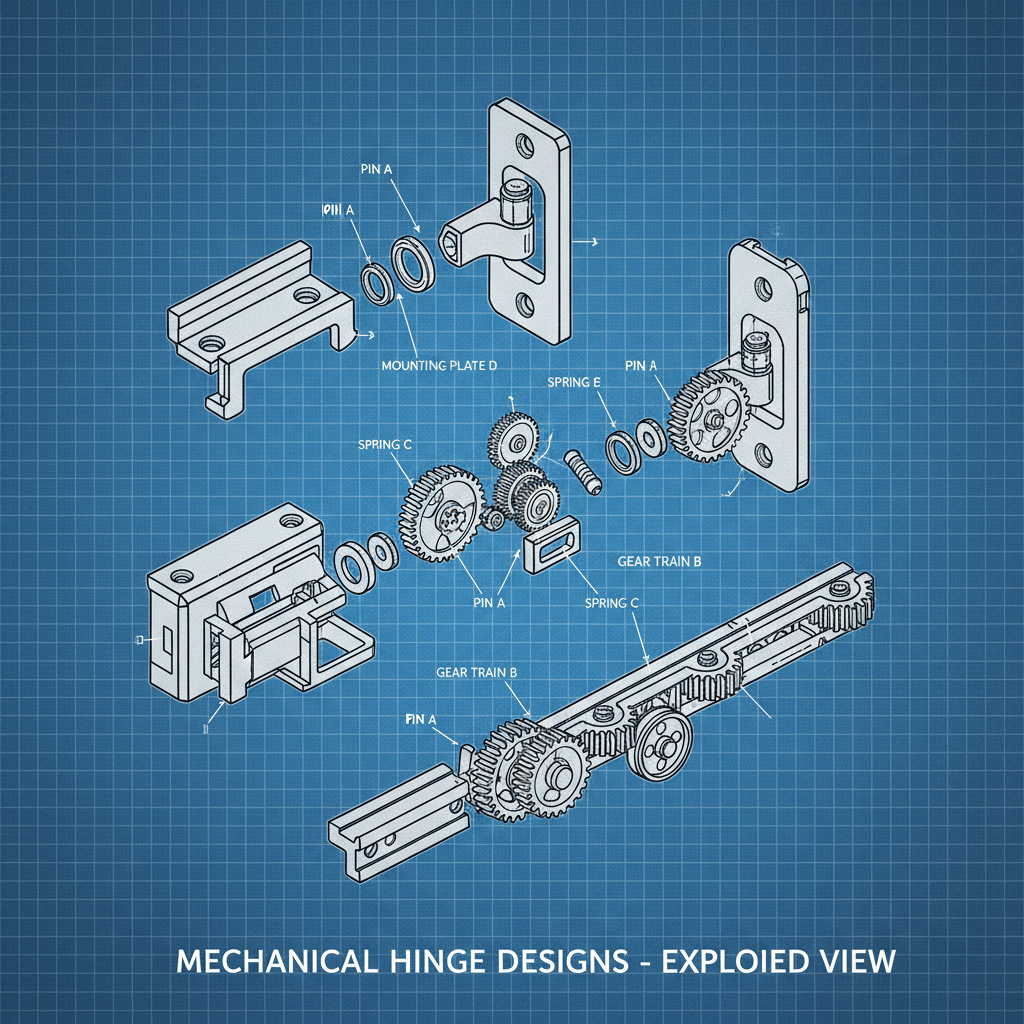
AOBang Metal: Your Partner for Quality Hinges
At AOBang Metal, we offer a comprehensive selection of hinge styles to meet your specific needs. We are committed to providing high-quality products, competitive pricing, and exceptional customer service. Whether you require butt hinges, strap hinges, concealed hinges, or custom-made hinges, we have you covered. We can also advise you on the best hinge style for your application.
Conclusion: Choosing the Right Hinge for Lasting Performance
Selecting the correct hinge style is an investment in the longevity and functionality of your projects. By understanding the different types and considering your specific requirements, you can ensure a secure, reliable, and aesthetically pleasing result. AOBang Metal is here to help you make the right choice.
Frequently Asked Questions (FAQs)
What material should I choose for hinges in a humid environment?
For humid environments, stainless steel hinges are the most recommended choice. They resist corrosion and rust, ensuring long-term durability and smooth operation. Other materials like brass can also offer some resistance, but stainless steel provides the highest level of protection against moisture and harsh conditions. Avoid using hinges made from carbon steel or other materials that are prone to rusting in humid settings.
How do I determine the correct size hinge for my door?
The size of the hinge should be proportionate to the weight and height of the door. Generally, for doors up to 6 feet tall and of average weight, a #3 or #4 hinge is sufficient. Heavier or taller doors may require larger hinges like #5 or #6. Consider the thickness of the door and frame when selecting the hinge size to ensure a proper fit. It’s always better to err on the side of a slightly larger hinge to provide extra support.
What are concealed hinges and what are their benefits?
Concealed hinges, also known as European hinges or cabinet hinges, are designed to be hidden when the door or cabinet is closed. They offer a clean, modern aesthetic and provide adjustable alignment for a precise fit. Benefits include a streamlined appearance, increased security (as screws are hidden), and the ability to fine-tune the door's position for optimal closure. They are commonly used in kitchen cabinets and contemporary furniture.
Are strap hinges suitable for heavy doors?
While strap hinges offer a rustic aesthetic, their suitability for heavy doors depends on their size and construction. Larger, thicker strap hinges made from durable materials like wrought iron can support substantial weight. However, smaller or thinner strap hinges may not provide adequate support for heavy doors and could lead to sagging or failure. It’s essential to choose strap hinges specifically designed for heavy-duty applications if you plan to use them on a heavy door.
-
Heavy Duty Ramp Gate Hinges Guide for Industrial EquipmentNewsApr.16,2026
-
Guide to Selecting the Right Ramp Door Spring Hinge for TrailersNewsApr.09,2026
-
Comprehensive Guide to Livestock Trailer Gate Hinges for Durable PerformanceNewsApr.07,2026
-
Choosing the Right Heavy Duty Hinges for Ramps A Comprehensive GuideNewsApr.04,2026
-
Comprehensive Guide to Choosing the Right Enclosed Trailer Ramp Door Extension HingeNewsMar.31,2026
-
Comprehensive Guide to Bi Fold Trailer Gate Hinges for Optimal PerformanceNewsMar.28,2026
-
Comprehensive Guide to Durable Aluminum Trailer Ramp Hinges for Optimal PerformanceNewsMar.26,2026