




Understanding and Selecting the Right Internal Hinges
When designing products requiring smooth, concealed movement, internal hinges play a crucial role. These hinges, hidden from view, offer both aesthetic appeal and functional reliability. This article will explore the different types of internal hinges, their applications, material considerations, and factors to consider when choosing the optimal hinge for your project. Whether you're involved in furniture manufacturing, electronics assembly, or another industry, understanding internal hinges is essential for creating high-quality, long-lasting products.
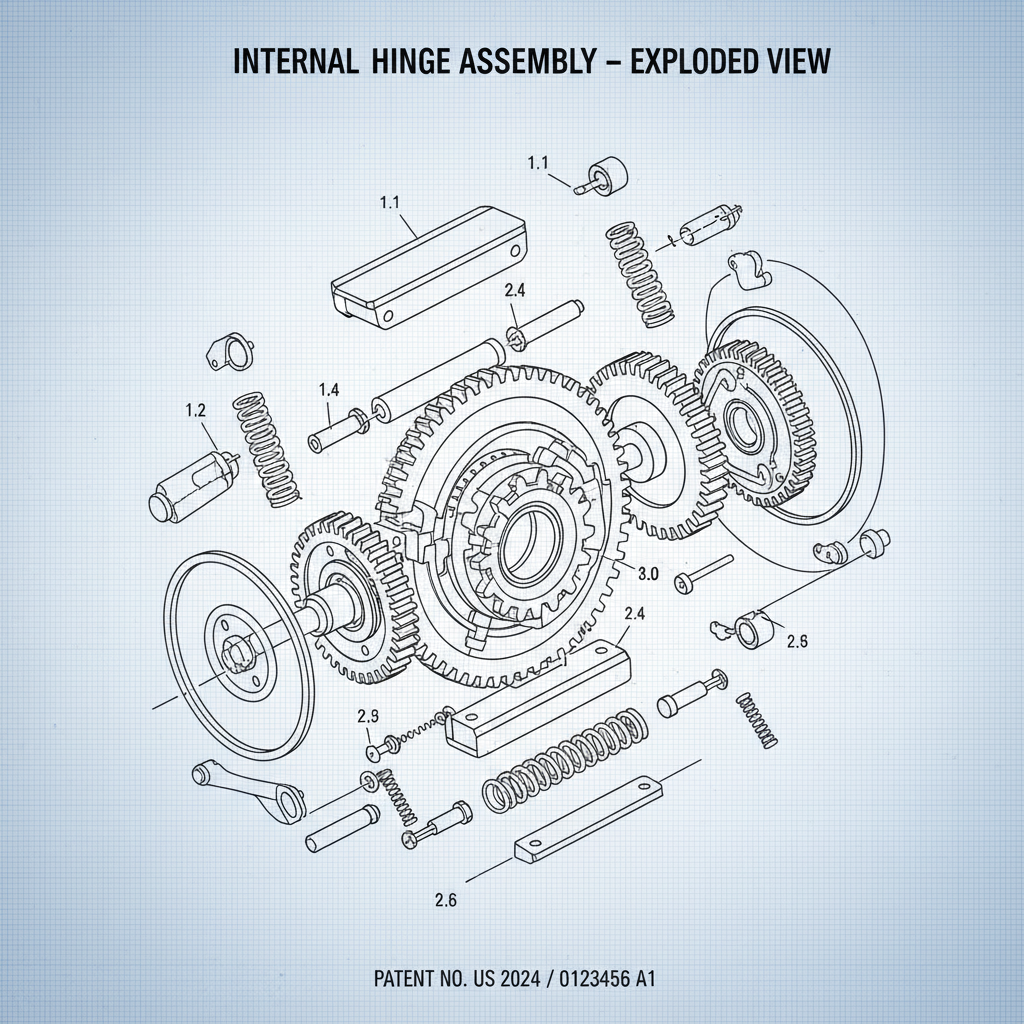
Types of Internal Hinges
Several types of internal hinges cater to diverse applications. Common types include:
- Pivot Hinges: These hinges use a pin to connect two parts, allowing for rotational movement.
- Spring Hinges: Integrated springs provide a self-closing or assisted opening function.
- Concealed Hinges: Completely hidden when the product is closed, offering a clean aesthetic.
- Magnetic Hinges: Combine the functionality of a hinge with a magnetic closure for secure positioning.
Key Takeaway: Understanding the specific function required – simple rotation, assisted movement, or concealed aesthetics – is the first step in selecting the right internal hinge.
Material Considerations for Durability
The material of an internal hinge significantly impacts its durability, strength, and corrosion resistance. Common materials include:
- Stainless Steel: Offers excellent corrosion resistance, ideal for damp or harsh environments.
- Brass: Provides good corrosion resistance and a classic aesthetic.
- Aluminum: Lightweight and offers good strength-to-weight ratio, suitable for applications where weight is a concern.
- Zinc Alloy: Cost-effective and provides decent strength, often used in general-purpose applications.
Material Selection Guidelines:
• Corrosion Resistance: Stainless Steel, Brass
• Weight: Aluminum
• Cost-Effectiveness: Zinc Alloy
• High Strength: Stainless Steel
Comparing Internal Hinge Performance Metrics
Evaluating the performance of different internal hinges requires considering several key metrics. These include load capacity, cycle life, and smoothness of operation. Here’s a comparative overview of common materials:
Applications of Internal Hinges Across Industries
The applications for internal hinges are widespread across various industries. Furniture manufacturers utilize them in cabinet doors, drawers, and folding mechanisms. In the electronics sector, they're crucial for laptop lids, tablet covers, and device enclosures. The automotive industry employs them in glove compartments, center consoles, and interior trim components. Finally, in the medical field, internal hinges can be found in medical carts, examination tables and surgical equipment.
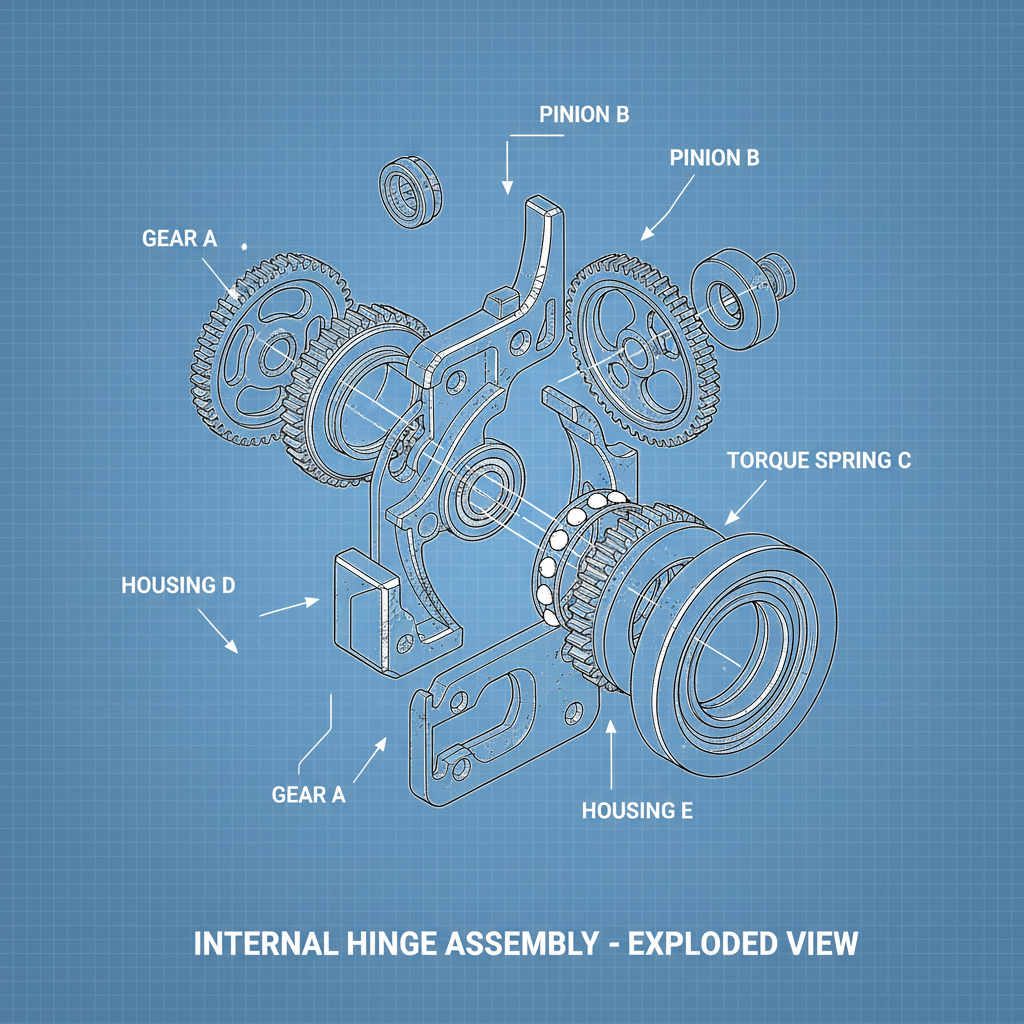
Selecting the Right Supplier: AOBANG Metal
Choosing a reliable supplier is critical to ensuring you receive high-quality internal hinges. AOBANG Metal specializes in the design and manufacture of precision metal components, including a comprehensive range of internal hinges. We offer custom solutions tailored to your specific needs, utilizing advanced manufacturing techniques and rigorous quality control processes. From prototyping to large-scale production, AOBANG Metal is your trusted partner for all your internal hinge requirements.
Conclusion: Ensuring Smooth Operation with Quality Internal Hinges
Investing in high-quality internal hinges is essential for product longevity, functionality, and aesthetic appeal. By carefully considering the type of hinge, material composition, and supplier reputation, you can ensure a smooth and reliable operation. Partnering with a reputable manufacturer like AOBANG Metal guarantees access to expert guidance and tailored solutions for your specific applications.
Frequently Asked Questions (FAQs)
What is the typical lifespan of an internal hinge?
The lifespan of an internal hinge depends heavily on factors such as the material, the load it bears, frequency of use, and the environment it’s exposed to. Stainless steel hinges, properly maintained, can last for decades. Zinc alloy hinges in low-stress applications might last 5-10 years. Regular lubrication and inspection for wear and tear are crucial for maximizing lifespan. The cycle life, as specified by the manufacturer, provides a good estimate of its operational durability.
Are internal hinges suitable for outdoor applications?
It depends on the material. Stainless steel and brass are the best choices for outdoor applications due to their superior corrosion resistance. Aluminum can be used with proper protective coatings. Zinc alloy is generally not recommended for prolonged outdoor exposure, as it can corrode. Ensure the hinge is specifically rated for outdoor use and is regularly inspected for signs of corrosion if exposed to the elements.
Can internal hinges be custom-designed?
Yes, many manufacturers, including AOBANG Metal, offer custom design and manufacturing services for internal hinges. This allows for tailored solutions that meet specific size, material, and functional requirements. Custom designs are often necessary for unique applications or to achieve a specific aesthetic.
What maintenance is required for internal hinges?
Regular lubrication is the most important maintenance step. Use a silicone-based lubricant to prevent corrosion and ensure smooth operation. Periodically inspect the hinge for signs of wear, corrosion, or loose screws. Tighten any loose fasteners and replace damaged hinges promptly. Proper maintenance will significantly extend the lifespan of the hinge and prevent costly repairs.
-
Heavy Duty Ramp Gate Hinges Guide for Industrial EquipmentNewsApr.16,2026
-
Guide to Selecting the Right Ramp Door Spring Hinge for TrailersNewsApr.09,2026
-
Comprehensive Guide to Livestock Trailer Gate Hinges for Durable PerformanceNewsApr.07,2026
-
Choosing the Right Heavy Duty Hinges for Ramps A Comprehensive GuideNewsApr.04,2026
-
Comprehensive Guide to Choosing the Right Enclosed Trailer Ramp Door Extension HingeNewsMar.31,2026
-
Comprehensive Guide to Bi Fold Trailer Gate Hinges for Optimal PerformanceNewsMar.28,2026
-
Comprehensive Guide to Durable Aluminum Trailer Ramp Hinges for Optimal PerformanceNewsMar.26,2026