




Understanding the Importance of an Enclosed Trailer Ramp Hinge
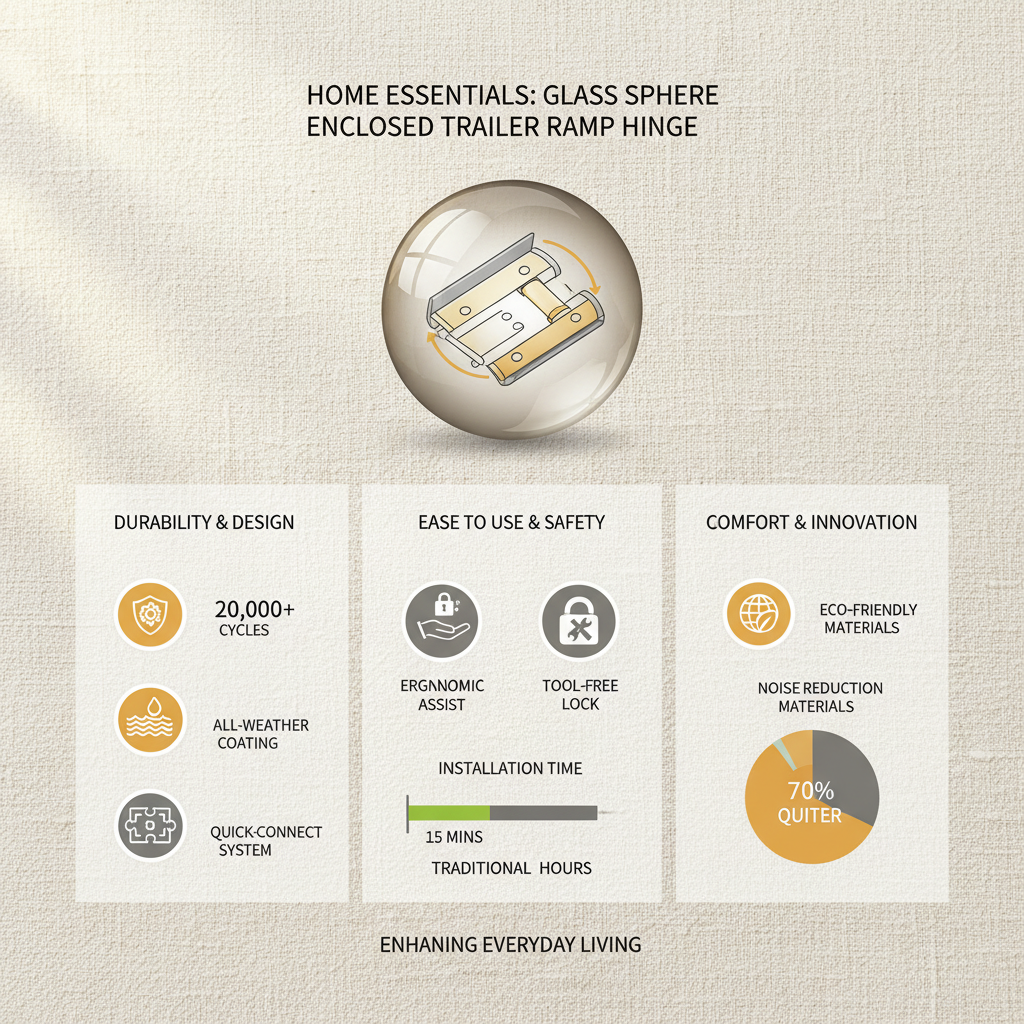
When it comes to enclosed trailers, the ramp is a critical component, enabling safe and efficient loading and unloading of equipment and cargo. A crucial, often overlooked, part of the ramp system is the enclosed trailer ramp hinge. Choosing the right hinge is paramount for durability, smooth operation, and long-term reliability. This article will delve into the essential aspects of enclosed trailer ramp hinges, covering types, materials, selection criteria, and maintenance, providing valuable insights for trailer owners and operators. Properly functioning hinges are crucial for safety and preventing costly repairs.

Types of Enclosed Trailer Ramp Hinges
There are several types of enclosed trailer ramp hinges available, each designed for specific applications and load capacities. The most common types include:
- Piano Hinges: Continuous hinges running the entire length of the ramp, providing exceptional support and distribution of weight.
- Single Hinges: Consisting of two leaves joined by a pin, suitable for lighter-duty ramps.
- Wraparound Hinges: Designed to wrap around the ramp edge, offering enhanced strength and stability.
- Spring-Assisted Hinges: Incorporate springs to assist with ramp lifting and lowering, reducing manual effort.
The choice of hinge type depends on factors such as ramp size, weight capacity, frequency of use, and the type of cargo being loaded.
Material Considerations for Ramp Hinges
The material of the hinge significantly impacts its durability, corrosion resistance, and overall lifespan. Common materials include:
- Steel: Offers high strength and rigidity, suitable for heavy-duty applications. Often requires protective coating to prevent rust.
- Stainless Steel: Provides excellent corrosion resistance, ideal for trailers exposed to harsh environments.
- Aluminum: Lightweight and corrosion-resistant, but generally less strong than steel.
Selecting the appropriate material ensures the hinge can withstand the rigors of frequent use and exposure to the elements. Consider the operating environment and potential for corrosion when making your choice.
Factors to Consider When Choosing an Enclosed Trailer Ramp Hinge
Selecting the right enclosed trailer ramp hinge requires careful consideration of several factors. These include:
- Ramp Weight Capacity: Ensure the hinge is rated to support the maximum weight the ramp will handle.
- Ramp Size and Width: Larger ramps typically require stronger hinges or a continuous piano hinge for adequate support.
- Corrosion Resistance: Choose a material appropriate for the trailer's operating environment, particularly if exposed to salt water or harsh chemicals.
- Ease of Installation: Consider the complexity of installation and whether you'll require professional assistance.
- Durability and Lifespan: Opt for hinges made from high-quality materials and designed for long-term reliability.
Comparison of Common Ramp Hinge Materials
To help illustrate the differences between materials, here's a comparison table:
Maintaining Your Enclosed Trailer Ramp Hinges
Regular maintenance is crucial for extending the lifespan of your trailer ramp hinges. Here are some key maintenance tips:
- Lubrication: Regularly lubricate the hinges with a suitable grease or oil to ensure smooth operation and prevent corrosion.
- Inspection: Inspect the hinges for signs of wear, damage, or corrosion. Replace any damaged or worn components promptly.
- Cleaning: Keep the hinges clean and free from dirt, debris, and grime.
- Tightening: Periodically tighten any loose bolts or screws.
By following these maintenance practices, you can ensure your ramp hinges continue to function reliably and safely.
Conclusion: Investing in Quality Hinges for Trailer Safety
Choosing the right enclosed trailer ramp hinge is a critical investment in the safety and longevity of your trailer. By considering factors like ramp weight, material, and maintenance, you can ensure smooth, reliable operation for years to come. Don’t compromise on quality – choose hinges that are built to last and provide the support your ramp needs.
Frequently Asked Questions (FAQs)
What is the typical lifespan of an enclosed trailer ramp hinge?
The lifespan of a trailer ramp hinge varies depending on usage, load frequency, environmental conditions, and the quality of materials used. Generally, with proper maintenance (regular lubrication and cleaning), a well-constructed steel or stainless steel hinge can last 5-10 years or more. Aluminum hinges may have a slightly shorter lifespan due to their lower strength. Regularly inspect for wear and tear, and replace hinges showing signs of fatigue or corrosion to prevent failures and ensure safety.
Can I repair a damaged trailer ramp hinge, or should I replace it?
Minor damage, such as loose bolts, can often be repaired by tightening them. However, if the hinge is bent, cracked, corroded, or the pin is severely damaged, it's generally recommended to replace it entirely. Attempting to repair a significantly damaged hinge can compromise its structural integrity and pose a safety risk. Replacing the hinge ensures optimal performance and prevents potential failures during operation. Aobang Metal offers a wide range of replacement hinges.
What type of lubricant is best for trailer ramp hinges?
A multi-purpose lithium grease or a silicone-based lubricant is generally best for trailer ramp hinges. These lubricants provide excellent corrosion resistance and long-lasting protection. Avoid using oil-based lubricants, as they can attract dirt and grime, potentially leading to accelerated wear. Apply the lubricant to all moving parts of the hinge, including the pin and any contact points. Regular lubrication is key to smooth operation and extending the hinge’s lifespan.

-
Heavy Duty Ramp Gate Hinges Guide for Industrial EquipmentNewsApr.16,2026
-
Guide to Selecting the Right Ramp Door Spring Hinge for TrailersNewsApr.09,2026
-
Comprehensive Guide to Livestock Trailer Gate Hinges for Durable PerformanceNewsApr.07,2026
-
Choosing the Right Heavy Duty Hinges for Ramps A Comprehensive GuideNewsApr.04,2026
-
Comprehensive Guide to Choosing the Right Enclosed Trailer Ramp Door Extension HingeNewsMar.31,2026
-
Comprehensive Guide to Bi Fold Trailer Gate Hinges for Optimal PerformanceNewsMar.28,2026
-
Comprehensive Guide to Durable Aluminum Trailer Ramp Hinges for Optimal PerformanceNewsMar.26,2026