




Understanding Trailer Ramp Gate Hinges: A Comprehensive Guide
Trailer ramp gate hinges are crucial components for the safe and efficient operation of trailers. These hinges enable the smooth raising, lowering, and securing of ramps and gates, vital for loading and unloading cargo. Selecting the right hinges impacts not only the functionality of your trailer but also its longevity and safety. This guide delves into the different types of trailer ramp gate hinges, materials, key considerations, and how to choose the best option for your needs. We will explore the importance of robust hinges for preventing accidents and maximizing the usability of your trailer.
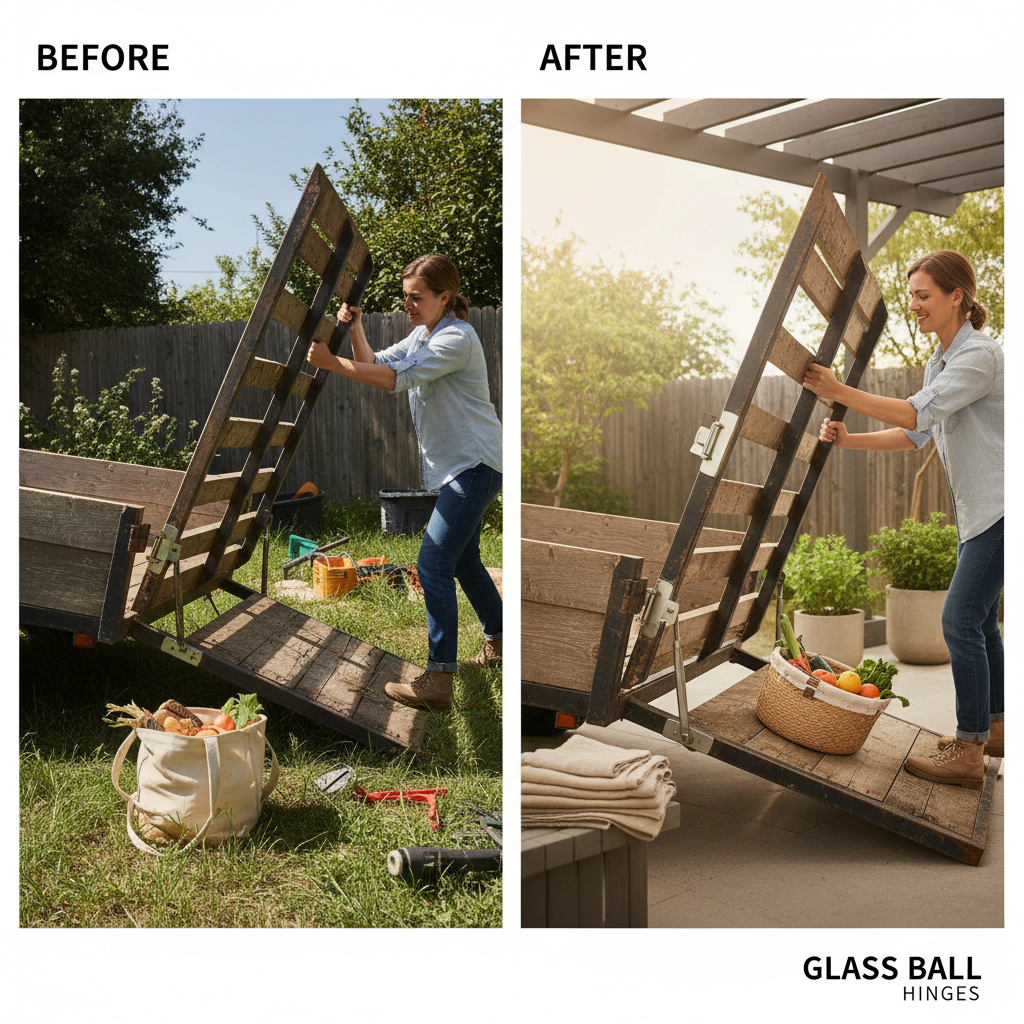
Types of Trailer Ramp Gate Hinges
There are several types of trailer ramp gate hinges available, each with unique characteristics suitable for different applications. Common types include: Continuous Hinges (Piano Hinges): These hinges run the entire length of the ramp or gate, providing consistent support and distributing weight evenly. Butt Hinges: Traditional hinges consisting of two leaves joined by a pin. They're cost-effective but may require multiple hinges for larger ramps. Spring-Loaded Hinges: These hinges automatically return the ramp or gate to a closed or specific position, enhancing safety and convenience. Heavy-Duty Strap Hinges: Designed for larger, heavier ramps and gates, offering superior strength and durability. Understanding the differences between these hinge types is critical for selecting the best option for your trailer and load capacity.
Key Takeaway: Choosing the correct hinge type is paramount to the safe and efficient operation of your trailer ramp or gate. Consider the weight, size, and intended use when making your selection.
Material Considerations for Trailer Ramp Gate Hinges
The material of the hinge significantly impacts its durability and resistance to corrosion. Common materials include: Steel: Provides excellent strength and is suitable for heavy-duty applications. However, it's susceptible to rust if not properly coated. Stainless Steel: Offers superior corrosion resistance, making it ideal for trailers exposed to harsh weather or saltwater environments. It's more expensive than standard steel. Aluminum: Lightweight and corrosion-resistant, but generally less strong than steel. Often used for lighter-duty ramps and gates. Galvanized Steel: Steel coated with zinc to provide corrosion resistance. A cost-effective option offering a good balance of strength and protection. The best material depends on the trailer's operating environment and the load it will carry.
Material Comparison:
• Steel: High strength, prone to rust.
• Stainless Steel: Excellent corrosion resistance, higher cost.
• Aluminum: Lightweight, less strong.
• Galvanized Steel: Good balance of strength and corrosion resistance.
Load Capacity and Hinge Strength
Determining the load capacity of your ramp or gate is essential for selecting hinges with sufficient strength. The hinges must be able to support the weight of the ramp itself, plus the maximum load you intend to transport. Undersized hinges can fail, leading to accidents and potential damage. Consider the following: Weight Distribution: How is the weight distributed along the ramp or gate? Uneven weight distribution requires stronger hinges. Safety Factor: Always choose hinges with a safety factor – meaning they are rated to handle significantly more weight than you anticipate. Hinge Dimensions: Larger hinges generally offer greater strength. Review the manufacturer's specifications to ensure the hinges meet your load requirements.
Installation and Maintenance
Proper installation is crucial for ensuring the longevity and functionality of your trailer ramp gate hinges. Follow the manufacturer’s instructions carefully. Ensure the hinges are securely fastened to both the ramp/gate and the trailer frame. Regularly inspect the hinges for signs of wear, corrosion, or damage. Lubricate the hinges periodically to ensure smooth operation. Tighten any loose bolts or screws. Addressing minor issues promptly can prevent more significant problems and extend the life of your hinges.
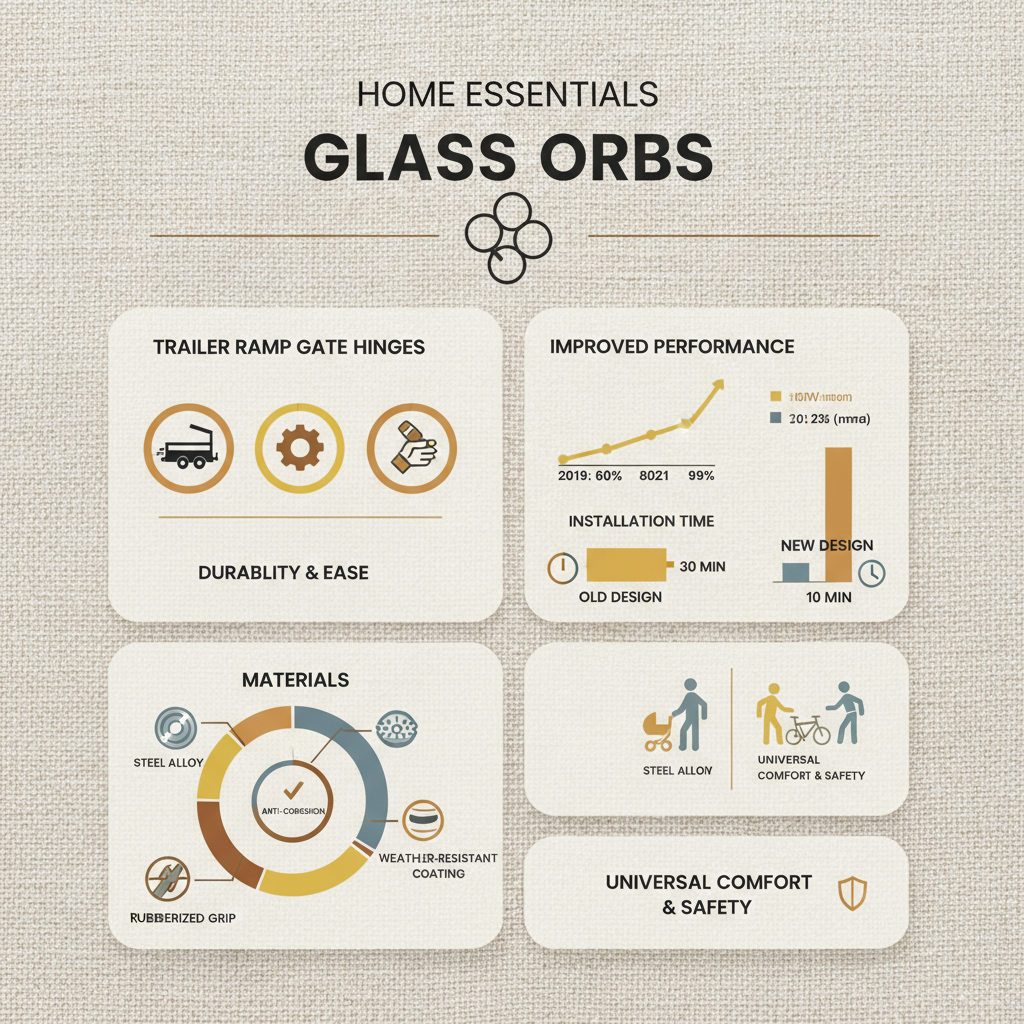
Choosing the Right Hinges from Aobang Metal
At Aobang Metal, we offer a comprehensive selection of high-quality trailer ramp gate hinges designed for durability and performance. We provide various materials, including stainless steel and galvanized steel, to meet diverse needs and environments. Our experienced team can assist you in selecting the best hinges for your specific application. Contact us today for a consultation and to explore our product range.
Conclusion: Investing in Quality Hinges for Trailer Safety
Investing in high-quality trailer ramp gate hinges is crucial for ensuring the safe and reliable operation of your trailer. Properly selected and maintained hinges contribute to increased safety, reduced maintenance costs, and extended trailer lifespan. Choose Aobang Metal for durable, dependable hinges that meet your specific requirements.
Frequently Asked Questions (FAQs)
What is the best material for trailer ramp gate hinges in a saltwater environment?
For trailers frequently exposed to saltwater, stainless steel hinges are the most recommended option. Stainless steel offers superior corrosion resistance compared to other materials like steel or aluminum, preventing rust and degradation in harsh marine environments. While more expensive initially, the longevity and reduced maintenance costs of stainless steel hinges make them a worthwhile investment for saltwater applications. Regular cleaning with fresh water can further extend their lifespan.
How often should I lubricate my trailer ramp gate hinges?
The frequency of lubrication depends on the operating conditions and usage. As a general guideline, lubricate your trailer ramp gate hinges at least twice a year, or more frequently if the trailer is exposed to harsh weather or heavy use. Use a lithium-based grease or a penetrating oil specifically designed for metal components. Lubricating the hinges ensures smooth operation, reduces friction, and prevents corrosion. Inspect the hinges for wear or damage during lubrication.
What should I do if my trailer ramp gate hinge is rusted?
If your trailer ramp gate hinge is rusted, first assess the extent of the corrosion. For minor surface rust, you can try cleaning it with a wire brush and applying a rust converter or a protective coating. If the rust is severe and has compromised the structural integrity of the hinge, it's best to replace it. Continuing to use a severely rusted hinge can be dangerous. Consider using stainless steel hinges to prevent future corrosion.
Can I use universal hinges on any type of trailer ramp or gate?
While some hinges are marketed as “universal,” it’s important to carefully consider the weight capacity, dimensions, and mounting requirements. Not all hinges are suitable for all applications. Ensure the hinge’s dimensions match the existing mounting points on your ramp or gate. Verify that the hinge’s load capacity is sufficient for the ramp or gate’s weight and the maximum load you intend to carry. Always prioritize safety and choose hinges specifically designed for your trailer type and application.
-
Heavy Duty Ramp Gate Hinges Guide for Industrial EquipmentNewsApr.16,2026
-
Guide to Selecting the Right Ramp Door Spring Hinge for TrailersNewsApr.09,2026
-
Comprehensive Guide to Livestock Trailer Gate Hinges for Durable PerformanceNewsApr.07,2026
-
Choosing the Right Heavy Duty Hinges for Ramps A Comprehensive GuideNewsApr.04,2026
-
Comprehensive Guide to Choosing the Right Enclosed Trailer Ramp Door Extension HingeNewsMar.31,2026
-
Comprehensive Guide to Bi Fold Trailer Gate Hinges for Optimal PerformanceNewsMar.28,2026
-
Comprehensive Guide to Durable Aluminum Trailer Ramp Hinges for Optimal PerformanceNewsMar.26,2026