




Understanding Enclosed Trailer Rear Door Hinges: A Comprehensive Guide
Enclosed trailers are vital for secure transport, and the functionality of their rear doors hinges heavily – quite literally – on the quality of the enclosed trailer rear door hinge. Choosing the right hinge impacts durability, ease of use, and overall trailer reliability. This article delves into the world of trailer door hinges, covering types, materials, installation, and maintenance. We'll explore how selecting the correct hinge can save you time, money, and potential headaches down the road. Investing in quality hinges from a reputable supplier like Aobang Metal is a crucial step in maintaining a dependable trailer.
Types of Enclosed Trailer Rear Door Hinges
Several types of hinges cater to different trailer door designs and weight capacities. The most common include:
- Standard Strap Hinges: These are the most widely used, featuring a long strap that distributes the load across the door frame.
- Piano Hinges: Also known as continuous hinges, they run the entire length of the door, offering excellent support and a sleek appearance.
- Spring-Assisted Hinges: These incorporate springs to help lift and support the door, reducing strain during operation.
- Flush Hinges: Designed to sit flush with the door surface, providing a clean, minimalist look.
Choosing the correct type depends on factors like the door's size, weight, and intended use. For heavier doors, a strap hinge or piano hinge is often preferred. Aobang Metal offers a diverse range of hinge types to meet any trailer requirement.
Key Considerations: Door size, weight capacity, and desired aesthetic play significant roles in choosing the right hinge type.
Materials and Their Durability
The material of a trailer door hinge directly impacts its durability and resistance to corrosion. Common materials include:
- Steel: Strong and affordable, but susceptible to rust if not properly coated.
- Stainless Steel: Highly resistant to corrosion, making it ideal for trailers exposed to harsh weather.
- Aluminum: Lightweight and corrosion-resistant, but generally less strong than steel.
- Zinc-Plated Steel: Offers some corrosion resistance at a lower cost than stainless steel.
For long-lasting performance, especially in coastal areas or frequently wet environments, stainless steel is the preferred choice. Aobang Metal specializes in providing high-quality stainless steel hinges designed to withstand the rigors of trailer use.
Material Comparison:
• Steel: High strength, lower corrosion resistance.
• Stainless Steel: Excellent corrosion resistance, high strength.
• Aluminum: Lightweight, good corrosion resistance, moderate strength.
• Zinc-Plated Steel: Moderate strength, some corrosion resistance.
Factors to Consider When Selecting Your Enclosed Trailer Rear Door Hinge
Beyond type and material, several crucial factors influence your hinge selection. Weight capacity is paramount; choose hinges rated to handle the door’s weight and potential load. The door's design - single or double doors, flush or overlapping - also dictates the appropriate hinge style. Consider the trailer's environment; saltwater exposure necessitates stainless steel hinges. Finally, ease of installation and adjustability are practical considerations that can save time and effort.
Installation Best Practices
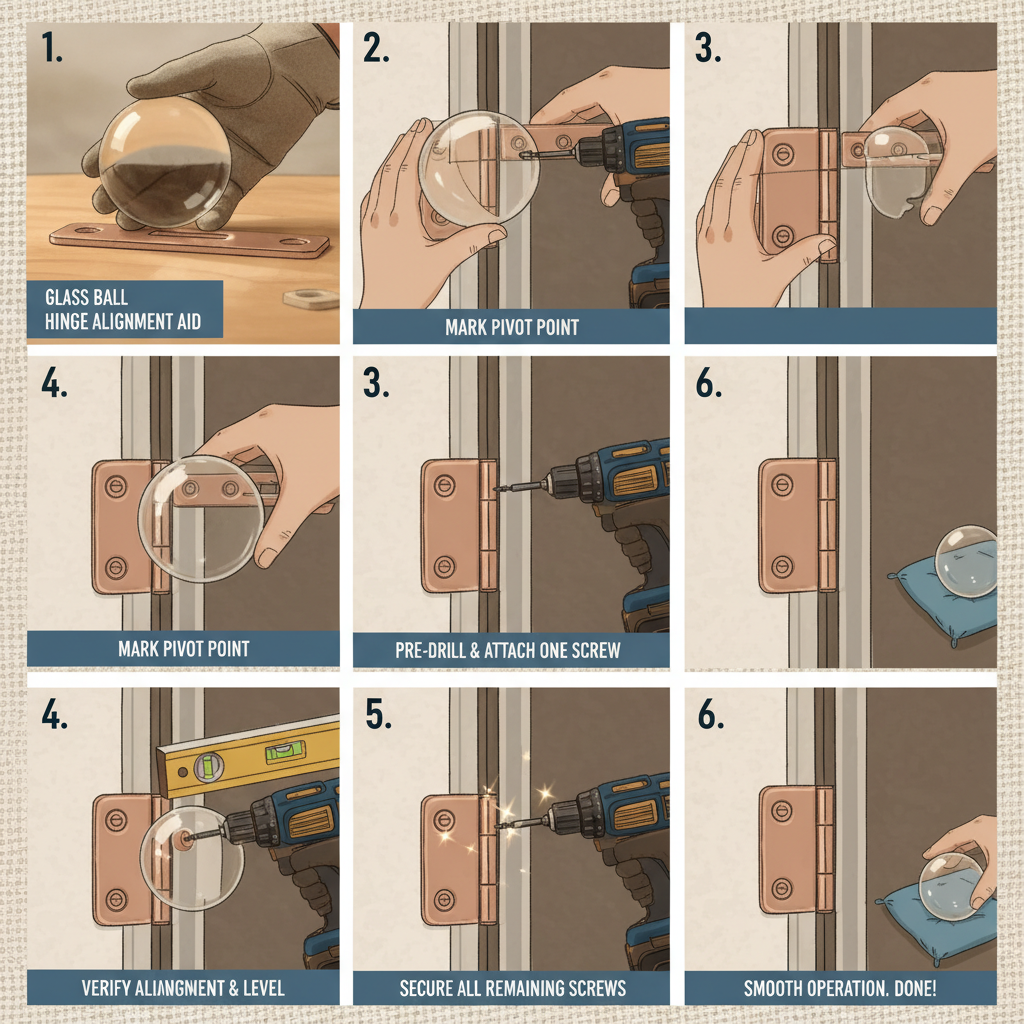
Proper installation is critical for optimal hinge performance. Ensure the door and frame are aligned before attaching the hinges. Use the correct screws and drill pilot holes to prevent stripping. Tighten the screws securely, but avoid over-tightening, which can damage the hinge or the frame. Regularly check the screws for looseness and tighten as needed. A properly installed hinge will operate smoothly and quietly.
Maintenance Tips for Longevity
Regular maintenance extends the life of your trailer door hinges. Lubricate the hinges periodically with a suitable lubricant to prevent rust and ensure smooth operation. Inspect the hinges for signs of wear or damage, such as cracks or bent parts. Clean the hinges regularly to remove dirt and debris. Address any issues promptly to prevent them from escalating into more significant problems. With proper care, your enclosed trailer rear door hinges will provide years of reliable service.
Conclusion: Investing in Quality Hinges for Trailer Reliability
Choosing the right enclosed trailer rear door hinges is a crucial investment in the long-term reliability and safety of your trailer. Factors such as hinge type, material, installation, and maintenance all play a vital role. Aobang Metal provides high-quality hinges and expert guidance to help you make the best choice for your needs. Don't compromise on quality—choose hinges designed to withstand the demands of the road.
Frequently Asked Questions (FAQs)
How often should I lubricate my trailer door hinges?
It's recommended to lubricate your trailer door hinges at least twice a year, or more frequently if you operate in harsh conditions such as dusty environments or near saltwater. Use a lithium-based grease or a silicone spray lubricant. Applying lubricant helps to reduce friction, prevent rust, and ensure smooth operation. Regular lubrication can significantly extend the lifespan of your hinges and prevent costly repairs. Check your hinges for dirt and debris before lubricating; cleaning them first will allow the lubricant to penetrate more effectively.
What should I do if my trailer door is sagging?
A sagging trailer door usually indicates a problem with the hinges. First, check the hinge screws to ensure they are tight. If the screws are stripped, you may need to replace them with larger screws or use wood filler to create a secure anchor point. If the hinges themselves are bent or damaged, they should be replaced. In some cases, the door frame may be misaligned, requiring adjustment or repair. Addressing the issue promptly will prevent further damage and ensure the door closes properly and securely. Consider consulting with a trailer repair professional if you are unsure how to proceed.
Are stainless steel hinges worth the extra cost?
For most trailer applications, particularly those exposed to the elements, stainless steel hinges are definitely worth the extra cost. Their superior corrosion resistance prevents rust and ensures long-lasting performance. While steel hinges may be cheaper upfront, they are more likely to fail prematurely in harsh environments, leading to costly replacements. Stainless steel hinges offer a significantly longer lifespan and reduced maintenance, making them a cost-effective choice in the long run. Aobang Metal offers a variety of stainless steel hinge options to suit different budgets and needs.
Can I replace just one hinge if it's damaged?
Yes, you can often replace just one hinge if it's the only one damaged. However, it's generally recommended to replace both hinges on a door to ensure even weight distribution and prevent uneven wear. Using a new hinge with an old one could create stress points and lead to premature failure of the remaining hinge. Furthermore, ensure the replacement hinge is the exact same type and size as the original to maintain proper alignment and functionality. If you're unsure, consult a trailer repair professional.
-
Heavy Duty Ramp Gate Hinges Guide for Industrial EquipmentNewsApr.16,2026
-
Guide to Selecting the Right Ramp Door Spring Hinge for TrailersNewsApr.09,2026
-
Comprehensive Guide to Livestock Trailer Gate Hinges for Durable PerformanceNewsApr.07,2026
-
Choosing the Right Heavy Duty Hinges for Ramps A Comprehensive GuideNewsApr.04,2026
-
Comprehensive Guide to Choosing the Right Enclosed Trailer Ramp Door Extension HingeNewsMar.31,2026
-
Comprehensive Guide to Bi Fold Trailer Gate Hinges for Optimal PerformanceNewsMar.28,2026
-
Comprehensive Guide to Durable Aluminum Trailer Ramp Hinges for Optimal PerformanceNewsMar.26,2026