




Choosing the Right swinging door hinges heavy duty: A Comprehensive Guide
When it comes to the functionality and longevity of swinging doors, the hinges are arguably the most critical component. Selecting heavy duty swinging door hinges is paramount for ensuring smooth operation, durability, and safety. This article will delve into the key considerations when choosing these hinges, covering different types, materials, load capacities, and installation best practices. We’ll also explore how to identify the right hinges for specific applications, from residential doors to high-traffic commercial entrances. Investing in quality hinges translates to long-term savings and peace of mind.
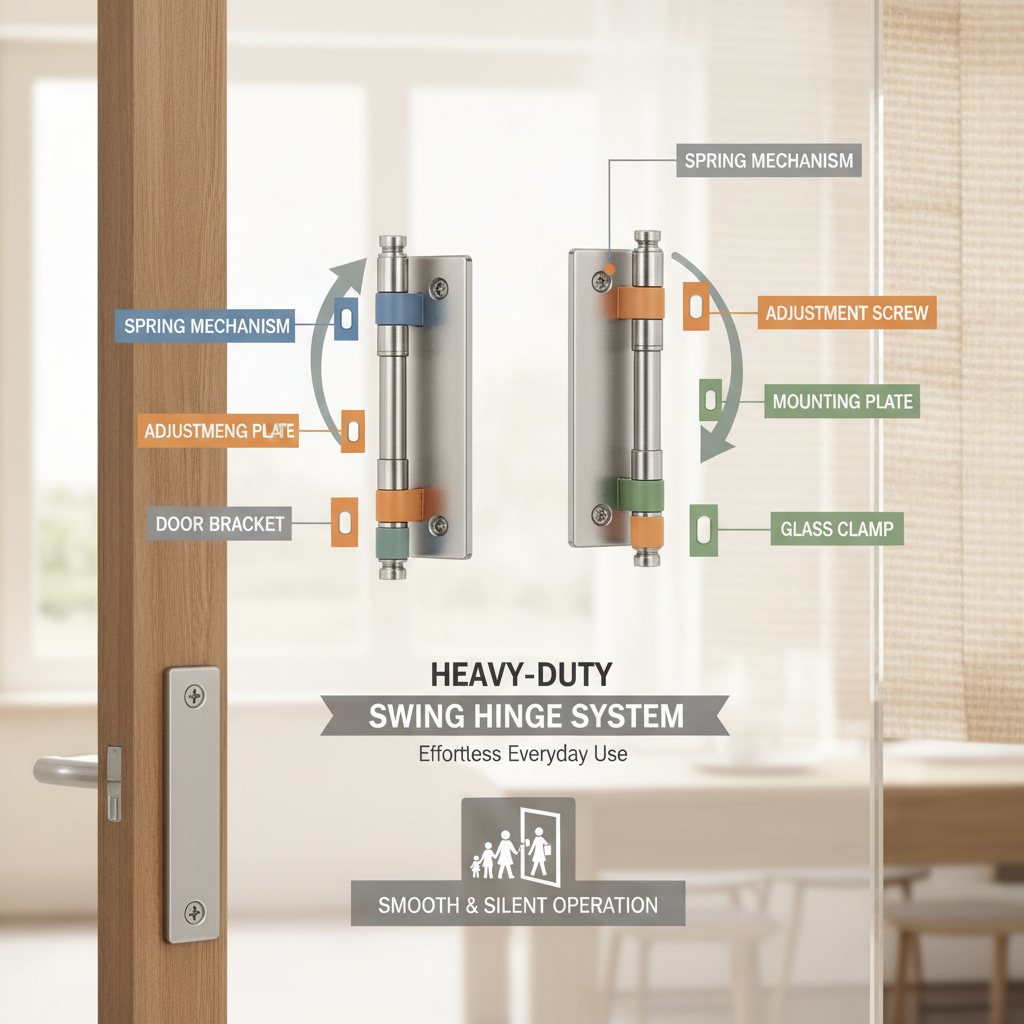
Understanding the Importance of Heavy Duty Swinging Door Hinges
Unlike standard hinges, heavy duty swinging door hinges are engineered to withstand greater weight and frequent use. They're constructed from thicker materials, often featuring reinforced designs, to prevent bending, warping, or failure. This is especially crucial for doors that experience high traffic, such as those in commercial buildings, restaurants, or hospitals. Choosing the right hinges minimizes the risk of door sagging, binding, and ultimately, the need for costly repairs or replacements. Proper hinge selection ensures smooth and reliable operation for years to come.
Key Benefits: Enhanced durability, reduced maintenance costs, improved safety, smooth and reliable operation, and extended door lifespan.
Types of swinging door hinges heavy duty
Several types of heavy-duty hinges cater to different door types and applications. Common options include:
- Butt Hinges: The most traditional type, mortised into both the door and frame.
- Ball Bearing Hinges: Incorporate ball bearings for smoother operation, ideal for high-traffic doors.
- Continuous Hinges (Piano Hinges): Run the entire length of the door for superior weight distribution and security.
- Spring Hinges: Automatically close the door, often used in commercial settings.
- Flag Hinges: Designed for saloon-style doors, allowing for free swinging movement.
Selecting the appropriate type depends on the door's weight, frequency of use, and desired functionality. Aobang Metal offers a wide variety to suit your needs.
Materials Used in Heavy Duty Swinging Door Hinges
The material of a hinge significantly impacts its strength, durability, and resistance to corrosion. Common materials include:
- Stainless Steel: Highly resistant to rust and corrosion, ideal for exterior doors or humid environments.
- Brass: Offers excellent corrosion resistance and a classic aesthetic.
- Steel: Provides high strength and durability, often coated for corrosion protection.
- Aluminum: Lightweight and corrosion-resistant, suitable for interior applications.
For demanding applications, stainless steel is generally the preferred choice due to its superior durability and resistance to harsh conditions.
Material Comparison:
Selecting the Right Size and Load Capacity for Your swinging door hinges heavy duty
Determining the correct size and load capacity is crucial for ensuring the hinges can support the door’s weight. Consider the following:
- Door Weight: Accurately weigh the door to determine the total load.
- Number of Hinges: Generally, heavier doors require more hinges to distribute the weight evenly.
- Hinge Size: Larger hinges offer greater strength and stability.
- Load Capacity Specifications: Refer to the manufacturer’s specifications to ensure the hinges can handle the door's weight.
Using hinges with insufficient load capacity can lead to premature failure and potential safety hazards. Aobang Metal provides detailed specifications for all our hinges to help you make an informed decision.
Conclusion: Investing in Quality for Long-Lasting Performance
Choosing the right heavy duty swinging door hinges is an investment in the longevity, safety, and functionality of your doors. By considering the type, material, size, and load capacity, you can ensure a smooth and reliable operation for years to come. Aobang Metal is dedicated to providing high-quality hinges and expert guidance to meet your specific needs.
Frequently Asked Questions (FAQs)
How often should I replace my swinging door hinges?
The lifespan of your hinges depends on several factors, including usage frequency, environmental conditions, and the quality of the hinges themselves. As a general guideline, it’s recommended to inspect your hinges annually for signs of wear and tear, such as rust, corrosion, or loosening. Replace hinges if they are damaged or no longer provide smooth operation. For heavy-duty hinges in high-traffic areas, replacement may be necessary every 5-7 years, while lighter-use hinges could last significantly longer. Regular maintenance, such as lubrication, can also extend their lifespan.
What size hinges should I use for a heavy exterior door?
For a heavy exterior door, you typically need larger, more robust hinges. A common size is 4-inch hinges, but this can vary depending on the door’s weight and material. It's crucial to consult the door manufacturer's recommendations, if available. As a general rule, doors weighing over 100 lbs should have at least three 4-inch heavy-duty hinges. Always ensure the hinges are rated to support the door’s weight, and consider using stainless steel hinges for superior corrosion resistance in outdoor environments.
Are ball bearing hinges worth the extra cost?
Ball bearing hinges are definitely worth the extra cost for doors that are used frequently or require smooth, effortless operation. The ball bearings reduce friction, making it easier to open and close the door, especially heavier ones. This also minimizes wear and tear on the hinges themselves, extending their lifespan. They’re particularly beneficial for commercial doors, restaurant doors, and any door that experiences high traffic. While more expensive upfront, they save on maintenance and replacement costs in the long run.
What maintenance is required for swinging door hinges?
Regular maintenance is key to extending the life of your swinging door hinges. Lubricate the hinges at least twice a year with a silicone-based lubricant to reduce friction and prevent squeaking. Inspect the hinges regularly for signs of rust or corrosion. Tighten any loose screws. If you notice any significant damage, such as bending or warping, replace the hinges immediately. Simple preventative maintenance can save you from costly repairs or replacements down the road.

-
Heavy Duty Ramp Gate Hinges Guide for Industrial EquipmentNewsApr.16,2026
-
Guide to Selecting the Right Ramp Door Spring Hinge for TrailersNewsApr.09,2026
-
Comprehensive Guide to Livestock Trailer Gate Hinges for Durable PerformanceNewsApr.07,2026
-
Choosing the Right Heavy Duty Hinges for Ramps A Comprehensive GuideNewsApr.04,2026
-
Comprehensive Guide to Choosing the Right Enclosed Trailer Ramp Door Extension HingeNewsMar.31,2026
-
Comprehensive Guide to Bi Fold Trailer Gate Hinges for Optimal PerformanceNewsMar.28,2026
-
Comprehensive Guide to Durable Aluminum Trailer Ramp Hinges for Optimal PerformanceNewsMar.26,2026