




A Buyer’s Guide to Wrought Iron Beauty: Trends, Specs, and Real-World Use
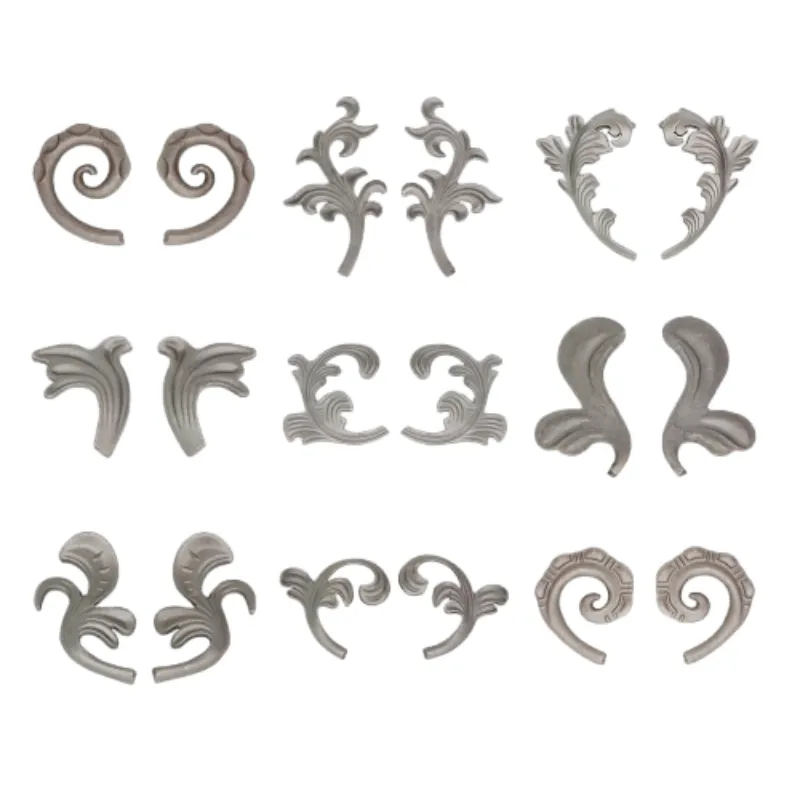
If you’ve been eyeing statement metalwork for gates, railings, screens, or garden accents, you’ve probably stumbled across Wrought Iron Decoration. And for good reason. It blends old-world charm with modern coatings and testing that, frankly, didn’t exist when our grandparents were installing ornate balconies. Today’s market, I’ll be honest, is more engineering-driven: durability claims are backed by salt-spray tests, adhesion checks, and measurable coating thickness.
What’s Trending
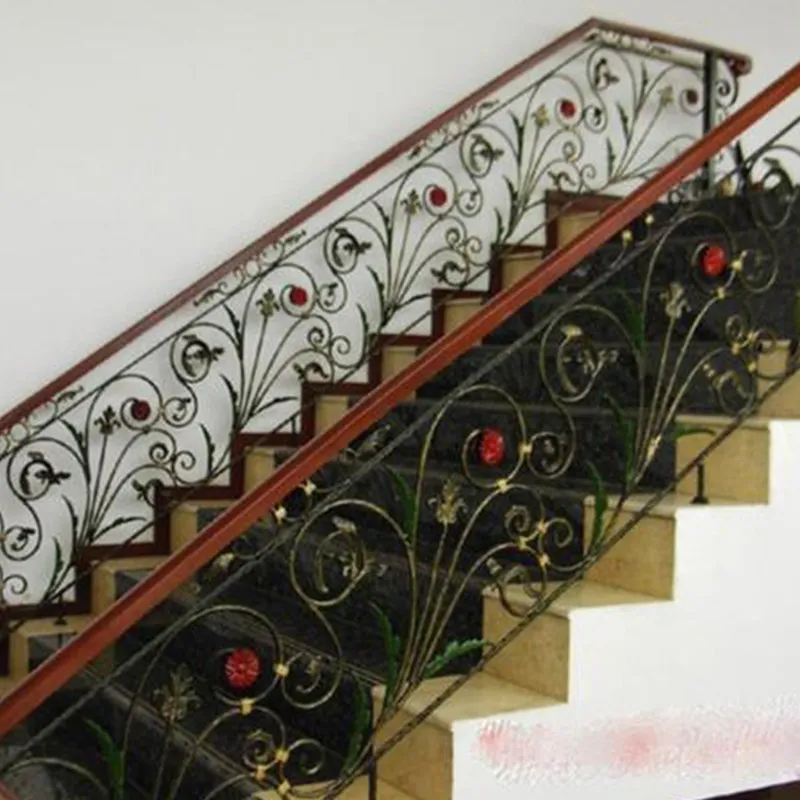
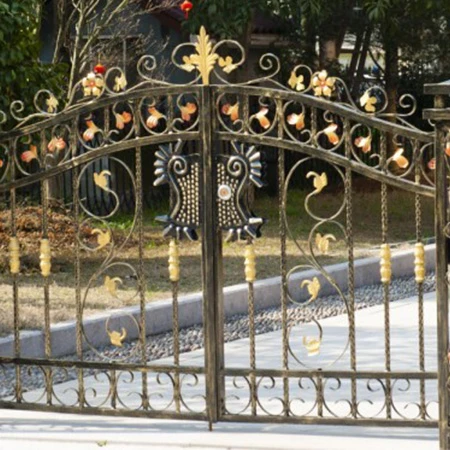
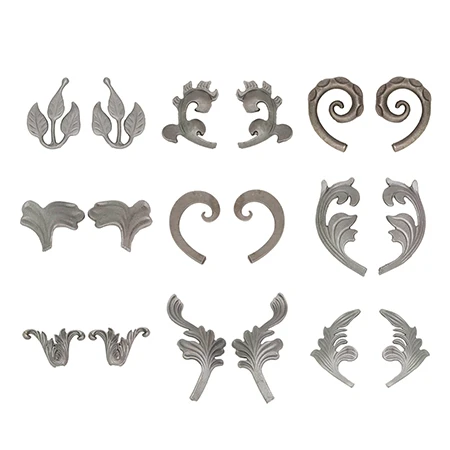
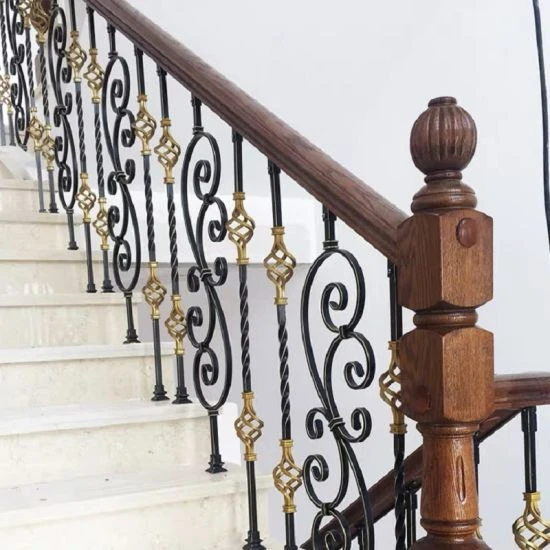
Designers are asking for slimmer sightlines, earthy matte blacks, and—surprisingly—antique bronze patinas that look hand-touched. Outdoor hospitality spaces prefer robust hot-dip galvanizing under powder coat for long life; residential clients lean toward customizable scrolls, laser-cut infills, and mixed materials (iron + wood caps). Many customers say they want something “heirloom” but not high-maintenance. That’s where modern Wrought Iron Decoration finishes shine.
Product Snapshot
| Item | Specification (≈ / real-world may vary) |
|---|---|
| Material | Wrought iron/mild steel components; typical grades similar to Q235 or ASTM A36 |
| Finish Options | Hot-dip galvanizing (ASTM A123) + polyester powder coat (ISO 12944 guidance), patina or clear seal |
| Coating Thickness | Zinc: ~70–100 μm; Powder: ~60–100 μm, project-dependent |
| Service Life | 10–25 years outdoors with maintenance; longer in low-corrosion zones |
| Origin | Shijiazhuang, China |
Process Flow (How It’s Made)
- Materials: bar stock, flats, and hollow sections selected for bendability and strength.
- Forming: hot forging, bending jigs, occasional laser-cut motifs for precision.
- Welding & grinding: MIG/TIG per good-practice procedures; smooth out spatter.
- Surface prep: degrease, shot-blast (Sa 2.5), zinc hot-dip (ASTM A123) or zinc-rich primer.
- Powder coating: polyester TGIC; cure profiles validated by adhesion tests (ASTM D3359).
- Testing: salt spray (ASTM B117) sample panels; thickness via magnetic gauge (ISO 2178).
- QC & packing: gauging, visual inspection, and fit-up checks before shipment.
Advantages? Strength-to-weight, impact resistance, and that handcrafted look. Plus, Wrought Iron Decoration maintains structural integrity where wood or low-cost plastics might warp.
Where It’s Used
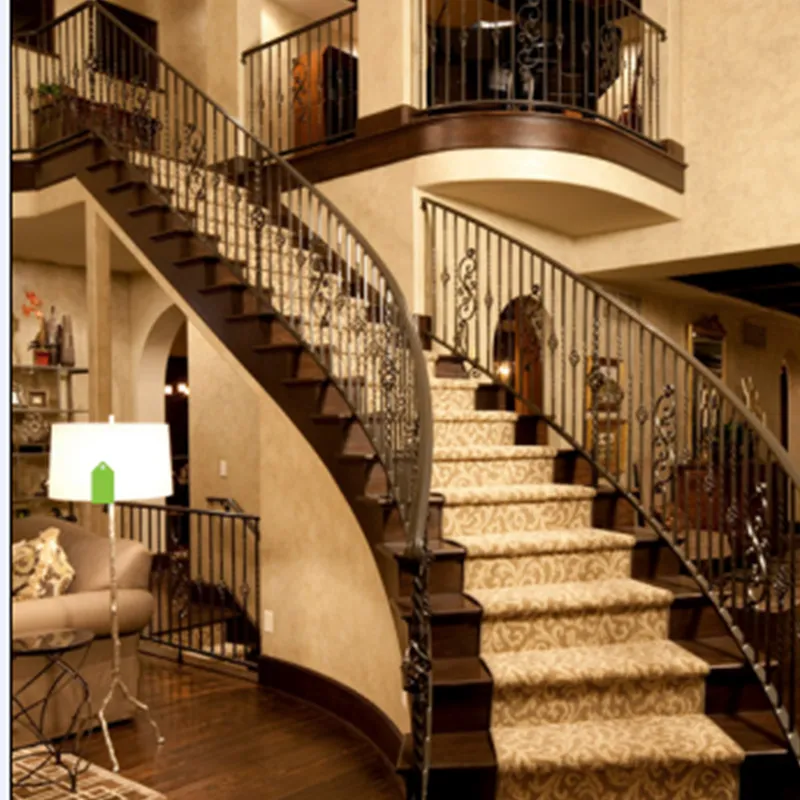
Residential balconies, garden fencing, security gates; hospitality courtyards and pergolas; retail façades and signage frames; municipal parks, benches, and protective bollards. Industries: construction, landscaping, hospitality, and light commercial fit-outs.
Real Test Data (Typical)
Sample panels with hot-dip galvanizing + polyester powder have shown ≥500 hours neutral salt spray (ASTM B117) with no base-metal corrosion; adhesion at 4B–5B (ASTM D3359). Field exposure, however, depends on environment and maintenance.
Vendor Landscape (At a Glance)
| Vendor | Strengths | Potential Trade-offs |
|---|---|---|
| Aobang Metal | Value pricing, standard patterns, galvanizing + powder options, export packing | Lead times vary by customization complexity |
| Vendor B | High-end bespoke forging, heritage restorations | Premium cost; longer design cycles |
| Vendor C | Fast stock items, budget lines | Fewer finish options; thinner coatings |
Customization Tips
- Provide site dimensions and load expectations (e.g., balcony live loads per local code).
- Specify coating system by environment category (ISO 12944 C2–C4 is common).
- Ask for samples: color chips, weld coupons, and a coating cross-section if you can.
Customer feedback? We hear “solid, heavy feel,” “finish looks thicker than paint,” and—my favorite—“the gate still swings true after two winters.” That matches what I’ve seen on recent projects.
Mini Case Study
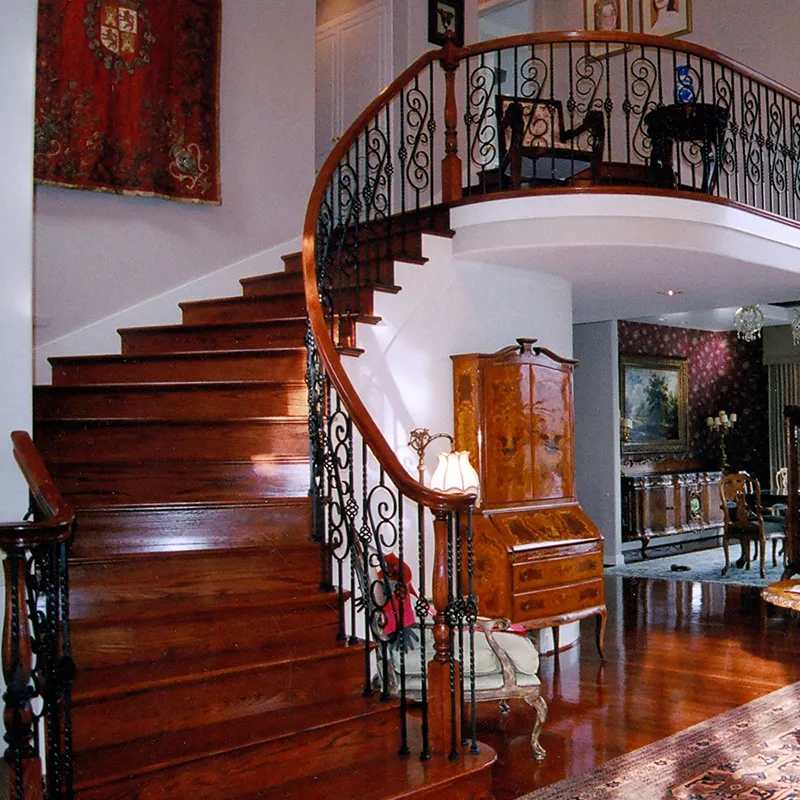
A boutique hotel courtyard specified Wrought Iron Decoration railings with hot-dip galvanizing + matte black powder. After 18 months in a coastal C3 environment, inspections showed intact edges and no blistering; only minor hardware oxidation (easily swapped). The takeaway: get the substrate, zinc, and powder system right, and maintenance becomes predictable—mostly washdowns and a light touch-up kit.
Certifications & Standards (Commonly Referenced)
ASTM A123 (zinc), ASTM B117 (salt spray), ASTM D3359 (adhesion), ISO 12944 (corrosion protection), ISO 2178 (coating thickness). Ask your vendor for test reports and batch logs—worth it, in my opinion.
References
- ASTM A123/A123M: Standard Specification for Zinc (Hot-Dip Galvanized) Coatings.
- ASTM B117: Standard Practice for Operating Salt Spray (Fog) Apparatus.
- ASTM D3359: Standard Test Methods for Measuring Adhesion by Tape Test.
- ISO 12944: Paints and varnishes—Corrosion protection of steel structures by protective paint systems.
-
Heavy Duty Ramp Gate Hinges Guide for Industrial EquipmentNewsApr.16,2026
-
Guide to Selecting the Right Ramp Door Spring Hinge for TrailersNewsApr.09,2026
-
Comprehensive Guide to Livestock Trailer Gate Hinges for Durable PerformanceNewsApr.07,2026
-
Choosing the Right Heavy Duty Hinges for Ramps A Comprehensive GuideNewsApr.04,2026
-
Comprehensive Guide to Choosing the Right Enclosed Trailer Ramp Door Extension HingeNewsMar.31,2026
-
Comprehensive Guide to Bi Fold Trailer Gate Hinges for Optimal PerformanceNewsMar.28,2026
-
Comprehensive Guide to Durable Aluminum Trailer Ramp Hinges for Optimal PerformanceNewsMar.26,2026