




Wide Throw Hinges: A Small Component with Big Global Impact
If you’ve ever worked on doors that swing wide open or bulky industrial panels, you might have encountered wide throw hinges without even realizing it. These sturdy yet cleverly engineered hinges are quietly powering everything from secure warehouse doors to modular housing units in crisis zones across the world. But why should you care about these humble mechanical parts? Because understanding wide throw hinges unlocks insights into door design that improves access, safety, and durability — things that matter a lot whether you’re relocating machinery, building disaster relief shelters, or just upgrading your home construction.
It’s easy to dismiss hinges as mere components, but wide throw hinges solve very specific real-world challenges — especially when space, strength, and swing clearance are at a premium.
Why Wide Throw Hinges Matter Globally
Across industries and continents—from refugee housing projects in Sub-Saharan Africa to remote mining installations in Australia—wide throw hinges ensure durability and ease of use. According to the International Organization for Standardization (ISO), properly engineered hinges reduce door failure rates by up to 30%, which, when scaled globally, translates into millions saved in maintenance and replacement costs.
Beyond cost, there’s a safety angle: wide throw hinges minimize pinch points and allow wider access for equipment, wheelchairs, or stretchers—crucial in hospitals and emergency shelters. Yet, many smaller operators overlook these benefits due to lack of awareness or cost sensitivity.
Brief Takeaway:
- Wide throw hinges improve door durability and accessibility worldwide.
- They are especially critical in humanitarian, industrial, and commercial settings.
- Understanding their design can prevent costly failures and boost safety.
What Are Wide Throw Hinges?
Put simply, wide throw hinges are a type of door hinge that allows a door, gate, or panel to swing a wider arc than traditional hinges. This “throw” refers to the angle the door can open. While a standard hinge might allow for roughly a 90-degree swing, wide throw versions offer 180 degrees or more, enabling easy passage of bulky equipment or people.
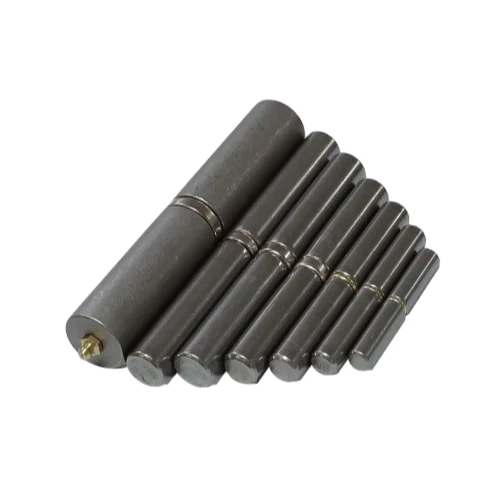
They typically feature extended knuckles and offset pivot points, resulting in fewer obstructions and greater leverage. This makes them indispensable in modern industries where maximizing space and access is not optional, but a requirement.
In humanitarian logistics, for example, modular housing units often use them for rapid setup and taking down, fostering resilience. They also play a role in smart homes and automation where larger door openings improve flow and accessibility.
Key Features of Wide Throw Hinges
Durability
These hinges are usually made from high-grade steel or stainless alloys, designed to resist rust, corrosion, and wear even under heavy daily use. Many comply with ISO 9227 standards for salt spray resistance, essential for harsh outdoor applications.
Load Capacity
Wide throw hinges are engineered to support heavier, larger doors—some capable of bearing weights exceeding 100 kg per hinge—making them perfect for metal gates, industrial containers, or fire doors.
Smooth Operation
Thanks to precision manufacturing and enhanced lubrication seals, these hinges offer frictionless movement, reducing noise and prolonging lifespan—a feature often praised by facilities managers.
Installation Flexibility
They come in various sizes and mounting types (surface, flush, or inset), which means they can be customized to fit everything from containerized offices to healthcare unit partitions.
Security Enhancements
Some wide throw hinges feature tamper-proof pins and reinforced collars to resist forced entry, an increasingly critical feature in urban environments or secure industrial zones.
Mini Summary:
- Made to be strong, smooth, and adaptable.
- Designed specifically to handle large, heavy doors safely.
- Often include security features to prevent tampering.
Global Applications and Real-World Use Cases
It’s odd how something as niche as a hinge can be so widely useful. Here are a few standout examples:
- Disaster Relief Housing: In earthquake-affected regions, rapid assembly and reliable operation of doors are critical for shelter safety. Wide throw hinges allow doors to open fully, facilitating quick evacuation and entry of aid supplies.
- Industrial Warehousing in Asia: Factories and logistics hubs use wide throw hinges on large access doors for forklifts and pallet trucks, eliminating bottlenecks and reducing damage to goods.
- Smart Home Installations in Europe: As homes integrate automated door systems, wide throw hinges support smooth, controlled openings that improve accessibility for elderly residents or wheelchair users.
- Transportation and Containers: Shipping containers and modular offices worldwide rely on robust wide throw hinges to maintain structural integrity and secure contents.
These examples show the hinge’s quietly heroic role in keeping things moving and safe around the world.
Advantages and Long-Term Value
By investing in quality wide throw hinges, organizations and individuals benefit in multiple ways:
- Cost Efficiency: Reduced repairs and replacements lower lifecycle costs.
- Sustainability: Durable materials and design contribute to less waste and improved resource use.
- Social Impact: Enhanced access supports inclusivity and dignity in public and private spaces.
- Reliability: Consistent performance under diverse conditions builds trust.
There’s also an emotional benefit. Knowing your door opens fully without struggle—especially in emergency settings—delivers peace of mind nobody talks about enough.
Future Trends and Innovations
Materials science and digital tech are pushing hinge design in exciting directions. Expect:
- Lightweight composites enhancing strength-to-weight ratios.
- Smart hinges integrated with IoT sensors for predictive maintenance.
- Eco-friendly coatings that dramatically improve corrosion resistance without heavy metals.
- Automation-friendly hinges tailored for robotic doors in warehouses and hospitals.
Wide throw hinges are stepping beyond their simple mechanical roots towards smart, green, and adaptive solutions — a bit like the small gears behind a shiny new watch.
Challenges and Smart Solutions
Despite their strengths, wide throw hinges have some downsides:
- Size and Weight: Larger hinges can add bulk, complicating installation.
- Cost: High-quality materials and precision engineering tend to increase price.
- Maintenance: Regular checks are necessary to preserve smooth operation.
But engineers have been tackling these with modular designs that simplify replacement, surface treatments lowering maintenance frequency, and better supplier partnerships helping keep costs predictable.
Frequently Asked Questions About Wide Throw Hinges
- What makes wide throw hinges better than standard hinges for industrial doors?
- Wide throw hinges allow greater door opening angles, which facilitate moving large equipment or pallets safely. Their increased load capacity and durability also mean they withstand industrial wear and tear better.
- Can wide throw hinges be used outdoors in salty or humid environments?
- Absolutely. Look for hinges with stainless steel or treated finishes complying with ISO 9227 salt spray standards to ensure corrosion resistance in harsh conditions.
- Are wide throw hinges compatible with automated door systems?
- Yes, many manufacturers offer wide throw hinges designed for integration with automated actuators and IoT sensors, ensuring smooth and reliable opening mechanisms.
- How difficult is it to replace standard hinges with wide throw hinges?
- Replacement complexity depends on door design, but modular mounting options and detailed vendor instructions typically make swapping hinges straightforward for professionals.
- Where can I source high-quality wide throw hinges for commercial projects?
- Consider specialized suppliers like wide throw hinges vendor catalogs, which offer specification sheets, customization options, and technical support.
Product Specification Table: Typical Wide Throw Hinge Model
| Specification | Detail |
|---|---|
| Material | Stainless Steel 316 / Zinc Alloy Optional |
| Opening Angle | Up to 180° (Wide Throw) |
| Load Capacity | Up to 150 kg per hinge |
| Corrosion Resistance | ISO 9227 Rated Salt Spray |
| Mounting Type | Surface, Inset, or Flush Mount |
| Security Features | Tamper-Proof Pins, Reinforced Knuckles |
Vendor Comparison: Leading Wide Throw Hinge Suppliers
| Feature | Aobang Metal | HingePro Industrial | Global Hinge Corp |
|---|---|---|---|
| Material Quality | Stainless Steel 316 | Carbon Steel, painted | Aluminum Alloy |
| Max Load | 150 kg | 120 kg | 100 kg |
| Standard Compliance | ISO 9227 / CE Certified | ANSI Certified | ISO 9001 Certified |
| Customization Services | Full | Limited | None |
| Price Range | $$$ | $$ | $ |
Wrapping It Up: Why Wide Throw Hinges Deserve Your Attention
Sometimes, the smallest parts make the biggest difference. Wide throw hinges, often overlooked, are crucial enablers in global logistics, humanitarian aid, and industrial safety. Their blend of durability, flexibility, and security turns everyday doors into trustworthy portals that open fully and safely, even under pressure.
If you want doors that keep pace with demanding environments and evolving technologies, these hinges are your allies. For more details, product catalogs, and expert advice, I recommend checking out wide throw hinges suppliers like Aobang Metal.
In the end, a reliable hinge is more than just metal — it’s a hinge to peace of mind, access, and progress worldwide.
References
- ISO 9227:2017 - Corrosion tests in artificial atmospheres – Salt spray tests. International Organization for Standardization.
- Hinge - Wikipedia
- World Bank: Smart Cities and Urban Development

-
Heavy Duty Ramp Gate Hinges Guide for Industrial EquipmentNewsApr.16,2026
-
Guide to Selecting the Right Ramp Door Spring Hinge for TrailersNewsApr.09,2026
-
Comprehensive Guide to Livestock Trailer Gate Hinges for Durable PerformanceNewsApr.07,2026
-
Choosing the Right Heavy Duty Hinges for Ramps A Comprehensive GuideNewsApr.04,2026
-
Comprehensive Guide to Choosing the Right Enclosed Trailer Ramp Door Extension HingeNewsMar.31,2026
-
Comprehensive Guide to Bi Fold Trailer Gate Hinges for Optimal PerformanceNewsMar.28,2026
-
Comprehensive Guide to Durable Aluminum Trailer Ramp Hinges for Optimal PerformanceNewsMar.26,2026