




Understanding the Tube Hinge: A Small Component with Global Impact
At first glance, a tube hinge might seem like just another piece of hardware — a tiny connector for doors or frames. But in truth, it plays a much bigger role than we often appreciate. From industrial applications to humanitarian shelters, this component matters globally, underpinning innovation, safety, and efficiency. Understanding the tube hinge not only helps engineers and designers select the right hardware for their projects but also drives sustainability and rapid deployment solutions vital for today's fast-paced world.
Introduction: Tube Hinges in a Global Context
Globally, industries are under pressure to optimize every component for durability and efficiency. According to the International Organization for Standardization (ISO), precise fittings like tube hinges contribute significantly to product longevity and safety standards. Developing regions and disaster relief operations especially rely on robust, adaptable hardware to accelerate rebuilding efforts. Oddly enough, the tube hinge—despite its humble size—addresses major challenges related to rapid assembly, transportability, and mechanical reliability.
For example, the World Bank reports that infrastructure resilience investments in vulnerable regions rose by 25% in the last decade — and hardware components like tube hinges are central to that resilience.
What Is a Tube Hinge?
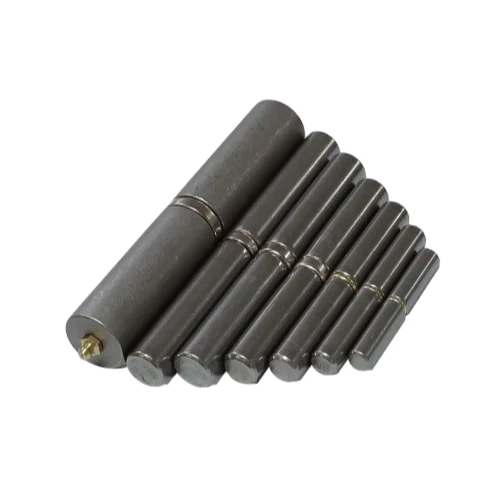
Simply put, tube hinges are cylindrical pivots used on tubular frames or box-section structures, allowing parts like doors or panels to swing open smoothly. Unlike traditional flat hinges, tube hinges fit inside or around hollow tubes, saving space and improving aesthetics. They’re designed with materials and finishes that resist corrosion and mechanical wear, making them especially suitable for industrial and outdoor use.
These hinges connect directly to the tubular framework, bridging structural integrity with functional movement — a neat synergy crucial for industries ranging from manufacturing to emergency shelter production.
Key Features of Tube Hinges
1. Durability
Most tube hinges are crafted from stainless steel or galvanized metals — materials known for resisting rust and mechanical fatigue. This means they perform reliably even in harsh climates, salty coastal environments, or dusty construction sites.
2. Compactness and Aesthetics
The tubular design means the hinge fits neatly inside frame sections, eliminating bulky protrusions. This is ideal where space-saving and clean lines matter, like modern furniture or container housing.
3. Easy Installation and Maintenance
Many tube hinges allow quick snap-on or screw-in mounting, cutting labor time and simplifying repairs. Their design often reduces the number of parts exposed to damage.
4. Load-Bearing Capacity
Although small, tube hinges can withstand significant weight — useful in modular housing or industrial enclosures where doors or panels might be heavy or frequently used.
5. Adaptability
Variations in size and material composition mean tube hinges are customizable for diverse applications, from lightweight aluminum frames to heavy-duty steel gates.
Global Applications and Use Cases
- Disaster Relief: In rapid shelter assembly, tube hinges enable quick deployment of foldable or container-based housing — crucial after floods or earthquakes.
- Industrial Machinery: Their robust build ensures reliable operation on access panels and equipment enclosures in factories worldwide.
- Transportation: Tube hinges appear on lightweight vehicle compartments where weight savings and durability matter.
- Architecture & Furniture: Designers use them to create minimalist doors or partitions with smooth, concealed movement.
For instance, in Southeast Asia’s flood-prone zones, NGOs utilize container structures with tube hinges to deliver sturdy, quick-to-assemble shelters. In Europe, modular office units depend on these hinges for both aesthetics and function.
Advantages and Long-Term Value
Choosing tube hinges isn’t just about convenience; it’s an investment in resilience and sustainability. Their longevity reduces frequent replacements, cutting material waste and saving costs. The compact design helps lower shipping volume, indirectly reducing carbon footprints during transport.
Emotionally, users feel more secure knowing their doors and panels won’t fail unexpectedly — an often overlooked but vital aspect of safety. Trust in small but reliable components like tube hinges fosters confidence in the bigger structures they support.
| Specification | Details |
|---|---|
| Material | Stainless steel 304 / Galvanized steel |
| Diameter | 12mm – 25mm |
| Finish | Powder coated / Electro-polished |
| Load Capacity | Up to 50 kg per hinge |
| Corrosion Resistance | Suitable for marine & industrial environments |
Future Trends and Innovations
The tube hinge sector isn’t standing still. Green manufacturing processes are emerging, using recycled metals and eco-friendly coatings. There’s growing interest in smart hinges embedded with sensors to monitor wear or unauthorized access — blending mechanical hardware with digital transformation.
Automation in production lines is leading to tighter tolerances and interchangeability. For example, additive manufacturing (3D printing) techniques might soon allow customized tube hinges on-demand, cutting lead times drastically. Plus, materials like composites and lightweight alloys are being explored to reduce weight without sacrificing strength.
Challenges & How Industry Experts Are Tackling Them
Despite their advantages, tube hinges face challenges — mainly around extreme load conditions or specialized environments like cryogenics. Some have noted wear under very high cycling frequency, prompting updates in material treatments and design tweaks.
Experts recommend thorough testing aligned with ISO 9227 for salt spray and ISO 6892 for tensile strength. Solutions include hybrid coatings, modular hinge systems for easier part replacement, and integrating lubrication modules.
Vendor Comparison: A Quick Look
| Vendor | Materials | Customization | Lead Time | Price Range |
|---|---|---|---|---|
| Aobang Metal | Stainless steel & galvanized | High (custom sizes and finishes) | 2–4 weeks | Mid to High |
| Global Hinge Co. | Aluminum & steel options | Medium | 3–6 weeks | Medium |
| Hinges Plus | Mostly galvanized steel | Low | 1–3 weeks | Low |
FAQs About Tube Hinges
Q1: How do tube hinges differ from traditional door hinges?
A: Tube hinges fit around or inside tubular frames, offering a more compact and seamless pivot compared to flat, leaf-style hinges. This makes them ideal for hollow-section frames and applications needing sleek profiles or corrosion resistance.
Q2: Are tube hinges suitable for outdoor industrial environments?
A: Yes, especially those made of stainless steel or galvanized steel with protective finishes. They resist rust and mechanical wear, performing well even in harsh or corrosive settings.
Q3: Can tube hinges be customized for specific load requirements?
A: Absolutely. Sizes, materials, and finishes can be tailored to meet specific mechanical demands. Many vendors, like Aobang Metal, specialize in customization options.
Q4: How long do tube hinges typically last in high-usage scenarios?
A: When properly installed and maintained, they can last several years without significant wear. Material quality and environmental factors influence longevity.
Conclusion: Why Tube Hinges Matter More Than You Think
In real terms, tube hinges are a small but mighty part of the industrial and humanitarian supply chains. They combine practicality with innovation, enabling rapid, reliable, and sustainable assembly across countless sectors. Whether you're designing modular housing or refining an industrial machine, smart choices around hinges define the difference between success and costly delays.
If you want reliable, tailored tube hinges, check out Aobang Metal — they know their stuff and offer a range of durable, high-quality options.
References
-
Heavy Duty Ramp Gate Hinges Guide for Industrial EquipmentNewsApr.16,2026
-
Guide to Selecting the Right Ramp Door Spring Hinge for TrailersNewsApr.09,2026
-
Comprehensive Guide to Livestock Trailer Gate Hinges for Durable PerformanceNewsApr.07,2026
-
Choosing the Right Heavy Duty Hinges for Ramps A Comprehensive GuideNewsApr.04,2026
-
Comprehensive Guide to Choosing the Right Enclosed Trailer Ramp Door Extension HingeNewsMar.31,2026
-
Comprehensive Guide to Bi Fold Trailer Gate Hinges for Optimal PerformanceNewsMar.28,2026
-
Comprehensive Guide to Durable Aluminum Trailer Ramp Hinges for Optimal PerformanceNewsMar.26,2026