




Understanding the Double Hinge: A Small Component with Global Impact
When you hear “double hinge,” you might picture a simple mechanical part. Yet, this unassuming piece plays an outsized role across industries worldwide. From industrial machinery to humanitarian aid solutions, the double hinge has quietly shaped modern design and functionality. Learning about this component isn’t just technical curiosity; it’s about grasping a key enabler of innovation, safety, and durability—qualities we deeply rely on in an increasingly connected and demanding world.
Why Does the Double Hinge Matter Globally?
Globally, industries face pressures to improve product reliability and optimize space without compromising strength. For example, the International Organization for Standardization (ISO) highlights that efficient mechanical joints often lead to longer-lasting infrastructure and reduced accidents. According to recent UN data, infrastructure resilience indirectly supports economic growth, particularly in developing regions. The double hinge specifically addresses such challenges by providing flexibility and strength in compact forms.
Take the construction sector: hinges must endure harsh conditions but allow components to move or fold as needed. Meanwhile, humanitarian agencies frequently use double hinge-enabled housing or containers to rapidly deploy shelters, especially during crises. Oddly enough, something so small can influence everything from comfort in refugee camps to machine uptime in factories.
What Is a Double Hinge?
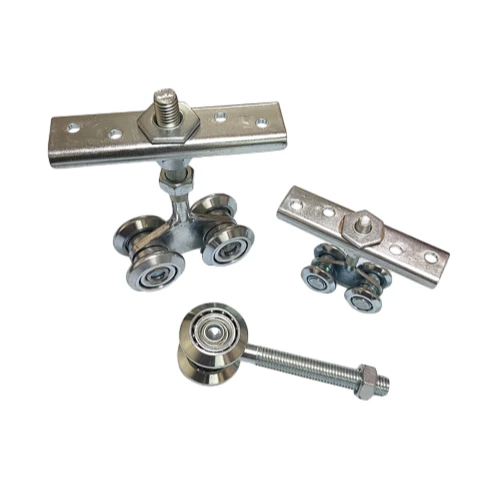
Simply put, a double hinge is a mechanical bearing that connects two parts, allowing them to pivot relative to each other with two distinct pivot points rather than one. This double pivot design provides a greater range of motion and enhanced stability compared to single hinges. You can think of it as a smart joint that offers flexibility and robustness simultaneously—ideal for modern industrial needs where space and mobility must coexist.
In practical terms, double hinges play a vital role in foldable equipment, doors, and modular units where compactness and durability are paramount. They bridge the gap between rigidity and movement, supporting both function and longevity—a balance that’s crucial for sectors like aerospace, logistics, and emergency relief operations.
Key Factors Behind Double Hinges
1. Durability
Double hinges are often made from steel alloys or corrosion-resistant materials to withstand heavy use and environmental stresses. You’ll find them in industrial settings where wear and tear happen fast.
2. Range of Motion
Unlike single hinges, these allow components to fold or rotate through more complex angles—up to 180 degrees or beyond—without compromising alignment.
3. Load Capacity
Because double hinges distribute weight across two pivot points, they can often support heavier loads, meaning larger structures or equipment parts remain stable and safe.
4. Compactness
The design helps save space—an advantage when you need portable or foldable devices that don’t sacrifice strength.
5. Cost Efficiency
While pricier upfront than simpler hinges, their longevity and reduced maintenance translate into savings over time.
Mini takeaway: The double hinge’s design isn’t just a mechanical marvel but a thoughtful integration of durability, flexibility, and cost-effectiveness.
Global Applications and Use Cases
The double hinge pops up in fascinating ways worldwide. For example:
- Disaster Relief Shelters: Organizations deploy modular housing with double hinges to fold, transport, and quickly assemble temporary shelters. This approach has helped save countless lives in earthquake zones.
- Industrial Equipment: Factories use double hinges in machine guards and foldable platforms, improving worker safety and easing maintenance tasks.
- Automotive Industry: The component enables foldable car trunks or convertible tops, combining aesthetics with practical usability.
- Remote Logistics: In regions with challenging terrains, foldable containers equipped with double hinges facilitate easier transport and setup.
Such examples underscore the double hinge’s flexibility beyond mere mechanics. It’s part of a bigger story about adaptability and resilience in technology and human endeavors.
Advantages and Long-Term Values
The tangible benefits include:
- Cost Savings: Reduced repair and replacement due to superior load handling.
- Sustainability: Durability means fewer parts waste and longer product lifetimes.
- Social Impact: Enables rapid deployment of essentials in emergencies, enhancing dignity and safety.
- Reliability: Trusted performance under diverse conditions builds confidence for users.
Emotionally, there’s reassurance in a product you know won’t fail when needed most—whether it’s sheltering families or protecting workers. Innovators also appreciate the trust double hinges inspire, enabling new designs once thought impractical.
Future Trends and Innovations
As sustainability grows indispensable, manufacturers explore greener materials like recycled metals and bio-based polymers for double hinges. Meanwhile, automation and smart manufacturing processes promise tighter tolerances and self-lubricating hinges that lower upkeep. Digital twins—virtual replicas of physical systems—are helping engineers simulate hinge performance under varied conditions, speeding innovation cycles.
One can also glimpse policies favoring modular infrastructure in urban planning, where double hinges fit perfectly, encouraging reusability and flexibility like never before.
Challenges and Solutions
Despite their benefits, double hinges face issues such as:
- Corrosion: In harsher environments, metal hinges can deteriorate.
- Cost: Higher manufacturing complexity leads to increased prices.
- Installation: Requires precise alignment to avoid premature wear.
Innovative coatings and materials help combat corrosion, while streamlined manufacturing techniques keep costs competitive. Moreover, industry training programs improve installation quality, reducing early failures. Some vendors also design adjustable hinges easing alignment concerns.
Product Specifications: Typical Double Hinge Model
| Specification | Details |
|---|---|
| Material | Stainless Steel 316 |
| Load Capacity | 500 kg (distributed) |
| Range of Motion | 0° to 180° |
| Finish | Electro Polished |
| Weight | 1.2 kg per hinge |
Vendor Comparison: Leading Double Hinge Manufacturers
| Feature | Aobang Metal | Competitor X | Competitor Y |
|---|---|---|---|
| Material Quality | 316 Stainless Steel | 304 Stainless Steel | Steel Alloy |
| Custom Sizes | Yes | Limited | No |
| Corrosion Resistance | High | Medium | Low |
| Lead Time | 2 Weeks | 4 Weeks | 6 Weeks |
| Price Range | $$$ | $$ | $ |
Frequently Asked Questions About Double Hinges
- Q: What makes double hinges better than single hinges in industrial equipment?
- A: Double hinges offer increased load distribution across two pivot points, enhancing durability and range of motion. This reduces wear, improves safety, and supports heavier components without compromising compactness.
- Q: How long can double hinge-enabled shelters last in disaster-prone areas?
- With proper materials like corrosion-resistant stainless steel and maintenance, double hinge shelters can reliably last several years. Their design allows easy repair and replacement of parts, essential in harsh conditions.
- Q: Are double hinge products environmentally friendly?
- Yes, especially when made with recyclable materials and designed for long service lives. Using double hinge components helps reduce waste and supports sustainability by minimizing replacements.
- Q: How can NGOs import double hinge modular solutions internationally?
- Most manufacturers offer export support and comply with international standards like ISO for quality and safety. Collaborating with trusted vendors ensures smooth customs clearance and adherence to local regulations.
Conclusion: The Double Hinge Is Small but Mighty
The double hinge’s cleverly simple yet robust design makes it a true workhorse in industries requiring strength, flexibility, and efficiency. From high-stakes disaster relief to everyday machinery, its value is clear and growing as innovation pushes usability further.
For engineers, suppliers, and decision-makers looking for reliable solutions, the double hinge is worth serious consideration. Curious to learn more or find tailored solutions? Visit our website at https://www.aobangmetal.com to explore how double hinge technologies can work for you.
In real terms, it’s fascinating how a component you might overlook keeps complex systems functioning smoothly—reminding us sometimes big impact hides in small places.
-
Heavy Duty Ramp Gate Hinges Guide for Industrial EquipmentNewsApr.16,2026
-
Guide to Selecting the Right Ramp Door Spring Hinge for TrailersNewsApr.09,2026
-
Comprehensive Guide to Livestock Trailer Gate Hinges for Durable PerformanceNewsApr.07,2026
-
Choosing the Right Heavy Duty Hinges for Ramps A Comprehensive GuideNewsApr.04,2026
-
Comprehensive Guide to Choosing the Right Enclosed Trailer Ramp Door Extension HingeNewsMar.31,2026
-
Comprehensive Guide to Bi Fold Trailer Gate Hinges for Optimal PerformanceNewsMar.28,2026
-
Comprehensive Guide to Durable Aluminum Trailer Ramp Hinges for Optimal PerformanceNewsMar.26,2026