




Understanding the 90 Degree Hinge: A Small but Mighty Component
If you've ever installed a door, built a cabinet, or worked on a mechanical project, chances are you’ve encountered the humble 90 degree hinge. This simple yet essential hardware piece defines the movement limits of a door or panel, allowing it to open up to a right angle. Oddly enough, it might seem small and straightforward but understanding what a 90 degree hinge is, its global impact, and why it matters could change how you view everyday engineering.
Global Relevance of the 90 Degree Hinge
Globally, the 90 degree hinge isn’t often the star of engineering discussions, but it quietly contributes to billions of doors, machinery parts, and industrial units operating efficiently. According to ISO standards on product fittings, hinges must meet strict durability and safety benchmarks—something that international manufacturing hubs in Asia and Europe strictly comply with. Even more interesting, industrial designers rely heavily on the predictability and mechanical advantages of these hinges to innovate in sectors ranging from residential construction to aerospace. With the UN emphasizing resilient infrastructure as part of its sustainable development goals, the demand for reliable mechanical components like the 90 degree hinge has arguably increased.
But why does this hinge angle matter? Simply put: controlling door or panel movement efficiently can prevent damage, enhance safety, and optimize space—a small fix with global ramifications.
Defining the 90 Degree Hinge
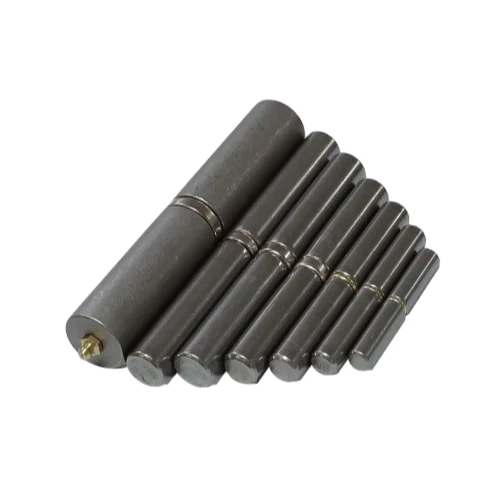
At its core, a 90 degree hinge is a mechanical pivot that allows a door or lid to open to exactly a right angle (90 degrees) and stops it from moving beyond that. This precise limitation prevents overextension, which can cause structural damage. Unlike continuous hinges or pivot hinges, this hardware is designed with stops or special mechanisms to hold that exact open position. You’ll find these hinges in everything from kitchen cabinets to electronic enclosures, wherever controlled movement is essential.
Because of its predictable motion range, the 90 degree hinge is crucial in modern industry applications, including humanitarian aid—think: shelters that fold out exactly to usable positions or containers engineered for modular housing. In emergency relief efforts, precision in construction details like hinges can save time and resources, fostering quicker deployment.
Key Factors Behind the 90 Degree Hinge’s Effectiveness
Durability
Many engineers emphasize that a quality 90 degree hinge must endure thousands of open-close cycles without warping or loosening. Materials like stainless steel, brass, or reinforced polymers are common. Corrosion resistance matters especially in maritime or outdoor environments.
Safety Features
Integral stops on the hinge prevent doors from swinging past 90 degrees, reducing pinching hazards and damage to walls or machinery. This feature is crucial in high-traffic industrial or public spaces.
Cost Efficiency
Despite being small, well-designed 90 degree hinges provide long-lasting value by reducing door replacements and repairs—leading to cost savings over time.
Installation & Scalability
The ease of installation and adaptability to different door thicknesses or frame setups makes these hinges popular with contractors worldwide. They easily scale from single-door projects to complex modular constructions.
| Specification | Details |
|---|---|
| Opening Angle | 90 degrees ± 5° |
| Material | Stainless Steel / Brass / Nylon |
| Max Load Capacity | Up to 150 kg per hinge |
| Corrosion Resistance | Yes, suitable for outdoor use |
| Lifespan | Up to 50,000 cycles |
Mini Takeaway: A 90 degree hinge combines durability, safety, and cost-effectiveness, making it an indispensable part of modern mechanical and architectural designs.
Global Applications and Use Cases
From Tokyo to Toronto, the 90 degree hinge finds its place in many industries. In the automotive sector, these hinges control glove box or console doors, improving user experience and safety. In Africa and Asia, modular container housing—a growing solution for affordable urban housing—relies extensively on these hinges for fast assembly and transport durability. Humanitarian organizations like the Red Cross use structures equipped with 90 degree hinges for field hospitals, allowing quick, reliable setup after disasters.
Factories deploying automated machines utilize customized 90 degree hinges that incorporate sensors for enhanced operational feedback—illustrating their role in Industry 4.0. Remote industrial zones benefit from hinges made with weather-resistant coatings that maintain performance in harsh climates.
Vendor Comparison Table
| Vendor | Material Options | Typical Use | Price per Unit | Lead Time |
|---|---|---|---|---|
| Aobang Metal | Stainless Steel, Brass | Industrial, Modular Housing | $3.50 - $5.00 | 1–2 Weeks |
| HingePro Inc. | Steel, Nylon | Consumer Electronics, Furniture | $2.80 - $4.20 | 3–4 Weeks |
| Global Hinge Co. | Brass, Aluminum | Architectural, Automotive | $4.00 - $6.00 | 2–3 Weeks |
Mini Takeaway: Selecting the right vendor depends on material preferences, application, pricing, and supply timelines.
Advantages and Long-Term Value
Choosing a quality 90 degree hinge supports sustainability by reducing waste and repeated replacements. Durability cuts down maintenance costs and improves safety—two aspects strongly favored by architects and engineers alike. Emotionally, you get peace of mind knowing your doors won’t unexpectedly swing open and cause damage or injury. It fosters trust, whether in a home or a public building.
Future Trends & Innovations
Looking ahead, the integration of smart sensors into hinges is fascinating—creating “connected hinges” that monitor wear and transmit maintenance alerts. Materials research is ongoing, too: composites that combine lightweight with strength aim to make hinges suitable for aerospace and electric vehicles. There’s also a green energy angle; smart hinges incorporated in solar panels could optimize opening angles automatically, enhancing efficiency and lifespan. This kind of digital transformation reflects the wider Industry 4.0 movement making its mark on even the smallest components.
Challenges & Practical Solutions
Of course, no product is without downsides. Some challenges with 90 degree hinges include wear under heavy loads, corrosion in marine environments, and fitting issues on nonstandard doors. Engineers often recommend surface treatments or coatings, plus rigorous installation training. Modular designs that allow hinge replacement without full disassembly are becoming more common, mitigating downtime and labor intensity.
FAQ: Frequently Asked Questions About 90 Degree Hinge
- Q: How do I know if a 90 degree hinge is better than a continuous hinge for my project?
A: If you need a defined stopping point at right angles for controlled movement and protection against overextension, a 90 degree hinge is ideal. Continuous hinges are better for distributing weight along the entire door length but don’t provide specific angle stops. - Q: Can 90 degree hinges support heavy industrial doors safely?
A: Yes, many 90 degree hinges are engineered to support loads upwards of 150 kg per hinge, especially when made from stainless steel or brass, and properly installed with multiple hinges to distribute weight. - Q: Are 90 degree hinges waterproof for outdoor use?
A: Many models come with corrosion-resistant materials or protective coatings designed for outdoor environments. However, it’s important to verify specifications to ensure durability against moisture and salt exposure. - Q: Can 90 degree hinges be customized for unusual shapes or sizes?
A: Yes, some manufacturers offer custom fabrication services to adjust the size, material, or stopping mechanism based on project needs, which is common in specialized industrial or architectural applications.
Conclusion: Embracing the Unsung Hero of Movement Control
So here we are—a little piece of metal or polymer, but a linchpin in construction, manufacturing, and humanitarian work worldwide. The 90 degree hinge embodies efficiency, safety, and adaptability, qualities that resonate far beyond its size. For innovators and builders looking to enhance reliability and long-term value in their projects, understanding this hinge’s qualities is essential.
Curious to explore premium 90 degree hinges or customize for your needs? Visit our website for detailed specs, expert advice, and bulk ordering options.
“Small details often have the biggest impact…”
References:
-
Heavy Duty Ramp Gate Hinges Guide for Industrial EquipmentNewsApr.16,2026
-
Guide to Selecting the Right Ramp Door Spring Hinge for TrailersNewsApr.09,2026
-
Comprehensive Guide to Livestock Trailer Gate Hinges for Durable PerformanceNewsApr.07,2026
-
Choosing the Right Heavy Duty Hinges for Ramps A Comprehensive GuideNewsApr.04,2026
-
Comprehensive Guide to Choosing the Right Enclosed Trailer Ramp Door Extension HingeNewsMar.31,2026
-
Comprehensive Guide to Bi Fold Trailer Gate Hinges for Optimal PerformanceNewsMar.28,2026
-
Comprehensive Guide to Durable Aluminum Trailer Ramp Hinges for Optimal PerformanceNewsMar.26,2026