




Understanding Box Hinges: Small Parts with a Global Impact
If you’ve ever opened a wooden crate, poked around a piece of furniture, or tinkered with a custom metal enclosure, you’ve interacted with box hinges. On the surface, they appear simple—just a joint connecting two parts, allowing rotation. But their importance reverberates through countless industries worldwide. That’s why understanding box hinges isn’t just for hardware enthusiasts—it’s essential for manufacturers, humanitarian organizations, and everyday users alike.
Box hinges help hold things together while allowing smooth movement, making them indispensable in packaging, furniture, and even emergency relief operations. Frankly, they’re unsung heroes of global logistics and modular infrastructure.
Global Context: How Box Hinges Fit Into a Big Picture
Globally, the supply chain and packaging sector—the very users of box hinges—is a multi-trillion dollar ecosystem. According to ISO standards, effective packaging solutions must combine strength, reliability, and ease of use. Box hinges, often overlooked, are key to meeting these criteria.
Consider the surge in demand for modular containers in disaster relief or temporary housing; hinges allow for fast assembly and disassembly, accelerating aid delivery on the ground. Yet not all hinges are equal: durability, corrosion resistance, and precision affect performance under harsh conditions, which remains a challenge across many regions.
What Exactly Are Box Hinges?
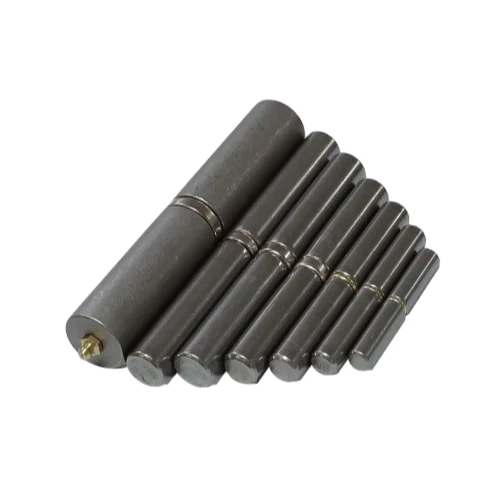
At their core, box hinges are mechanical fixtures connecting two panels, enabling one to pivot relative to the other. Usually made of metals like steel or brass, they’re designed compactly to fit in tight corners of boxes, crates, or small enclosures.
Join two parts securely but flexibly—that’s their basic function. More importantly, in industries like packaging or manufacturing, box hinges enable modular designs where components need to be folded or removed quickly. This contributes to improved logistics and sustainability, a real boon as global supply chains strive for agility.
Key Factors of Box Hinges
Durability
Box hinges must endure repeated use without loosening or breaking. Often, they face exposure to moisture, dirt, or temperature swings—so materials and finishes (like zinc plating) are carefully selected to prevent rust.
Size & Weight
These hinges are usually small, adding minimal weight, which is crucial when packaging shipment weight matters for cost and carbon footprint calculations.
Cost Efficiency
They offer an affordable way to add function without complex mechanisms. For mass-produced crates, even small savings per hinge translate to big budget wins.
Ease of Installation
Simple design means faster assembly, reducing labor costs and speeding production, especially important in industries scaling fast.
Customization Options
From material choices like stainless steel in marine environments to powder-coated finishes for aesthetics — versatility is key. Custom sizes and configurations fill niche needs, boosting their application.
Mini takeaway: Box hinges might be small, but their durability, light weight, cost-effectiveness, and customization options make them central to many industrial and humanitarian projects worldwide.
Product Specification: Typical Box Hinge Features
| Specification | Typical Values |
|---|---|
| Material | Steel, Stainless Steel, Brass |
| Finish | Zinc plating, Powder coating, Plain |
| Weight | 15-50 grams (varies by size) |
| Load Capacity | Up to 5 kg (depends on hinge size) |
| Common sizes | 20mm to 80mm length |
| Installation | Screws or rivets |
Global Applications & Use Cases
- Disaster Relief & Temporary Housing: Rapid deployment shelters rely on box hinges for folding walls, doors, and panels. NGOs in regions like Southeast Asia and Africa use modular boxes with hinges to ship medical supplies and set up emergency units quickly.
- Packaging & Shipping: In logistics hubs across Europe and the Americas, reusable wooden crates use hinges to fold flat for return trips, cutting transportation costs and waste.
- Furniture Manufacturing: Cabinets, toolboxes, and craft boxes benefit from the smooth pivot and stability box hinges provide, found in workshops from Japan to the US.
- Industrial Equipment Enclosures: Electronics and machinery sometimes require modular panels on-site for servicing. Hinges make it easy to access internal parts without disassembling entirely.
For example, one NGO reported that using hinged container boxes sped up delivery of relief goods by 30%, simply because volunteers could unfold and lock crates in place without tools.
Mini takeaway: Across continents and industries, box hinges contribute to logistics efficiency, ease of use, and modularity—decisive factors in today’s fast-paced world.
Advantages & Long-Term Value of Box Hinges
On the practical side, box hinges guarantee longevity. They ditch single-use mentality by enabling reusable packages or furniture. That contributes to less waste, aligns with sustainability goals, and reduces long-term costs. They also enhance safety and dignity—by facilitating stable, reliable structures for shelter or storage—in humanitarian contexts, that means a lot.
From an emotional standpoint, the trust in a product that opens smoothly and stays intact is subtle but powerful. It embodies innovation made accessible, a link between complexity and simplicity working quietly behind the scenes.
Future Trends & Innovations
Looking forward, smart materials and new coatings will revolutionize box hinges. Innovations like self-lubricating polymers or nano-coatings that resist corrosion could extend lifespan in extreme environments. Add to that automation-friendly designs for robotic assembly lines — the humble box hinge might just become a “smart” component integrated with IoT sensors to monitor usage or wear.
Sustainability-wise, some manufacturers now experiment with recycled metals or biodegradable alternatives for light-load hinges, responding to global environmental policies.
Challenges & Solutions
Still, challenges persist. Mass production sometimes sacrifices quality, resulting in hinges that fail prematurely. Installation errors or supply chain inconsistencies further complicate reliable application. Fortunately, companies are increasingly providing custom engineering support and enhanced quality assurance testing, which frankly, makes a world of difference.
Cases of corrosion in tropical climates can be mitigated with better plating and routine maintenance schedules. For anyone specifying hinges, balancing cost against environmental conditions is key.
Vendor Comparison
| Vendor | Material Options | Customization | Pricing | Lead Time |
|---|---|---|---|---|
| Aobang Metal | Steel, Stainless Steel, Brass | Full customization available | Competitive | 2–4 weeks |
| Global Hinge Co. | Steel, Aluminum | Limited sizes | Mid-range | 3–6 weeks |
| Hinge Masters | Stainless Steel only | Standardized stock parts | Premium pricing | 1–2 weeks |
Frequently Asked Questions About Box Hinges
- What types of materials are best for box hinges in humid environments?
- For humid or marine environments, stainless steel or brass hinges are preferred due to their corrosion resistance. Additional coatings like powder coating further enhance durability.
- Can box hinges be customized for unique box sizes?
- Absolutely. Many manufacturers, like Aobang Metal, offer customized sizes and finishes to fit specific project requirements.
- How do box hinges improve logistics for shipping companies?
- They enable foldable and reusable crate designs, reducing shipping volume and costs. The ease of assembly also speeds up loading and unloading.
- Are there sustainable options for box hinges?
- Yes, advances in recycled metals and eco-friendly coatings are making box hinges greener, aligning with global sustainability trends.
- What maintenance do box hinges require for long-term use?
- Regular cleaning and lubrication prevent rust and wear. For outdoor use, periodic inspections ensure they remain secure and functional.
Conclusion: Why Box Hinges Matter More Than You Think
In the end, box hinges blend simplicity with engineering savvy. They support global supply chains, aid humanitarian causes, and improve everyday products. If you want reliable, cost-effective, and customizable hinges, do check out suppliers like Aobang Metal. Their expertise and variety can match your project's unique demands.
Box hinges might be small, but as I’ve noticed over many projects, their impact is massive—quietly connecting the world, one pivot at a time.
References:
-
Heavy Duty Ramp Gate Hinges Guide for Industrial EquipmentNewsApr.16,2026
-
Guide to Selecting the Right Ramp Door Spring Hinge for TrailersNewsApr.09,2026
-
Comprehensive Guide to Livestock Trailer Gate Hinges for Durable PerformanceNewsApr.07,2026
-
Choosing the Right Heavy Duty Hinges for Ramps A Comprehensive GuideNewsApr.04,2026
-
Comprehensive Guide to Choosing the Right Enclosed Trailer Ramp Door Extension HingeNewsMar.31,2026
-
Comprehensive Guide to Bi Fold Trailer Gate Hinges for Optimal PerformanceNewsMar.28,2026
-
Comprehensive Guide to Durable Aluminum Trailer Ramp Hinges for Optimal PerformanceNewsMar.26,2026