




In today’s dynamic mechanical landscape, pulley systems play an indispensable role across a wide range of applications, from heavy-duty industrial operations to home installations. Whether it’s for lifting, sliding, or redirecting force, pulleys deliver efficiency and reliability. Among the top choices in the market are industrial pulley, sliding door hanging wheel, stainless steel pulley, steel pulley, and marine pulleys, each designed to serve specific demands with precision, strength, and durability. The growing demand for advanced pulley solutions underscores their significance in achieving operational excellence in both commercial and residential environments.
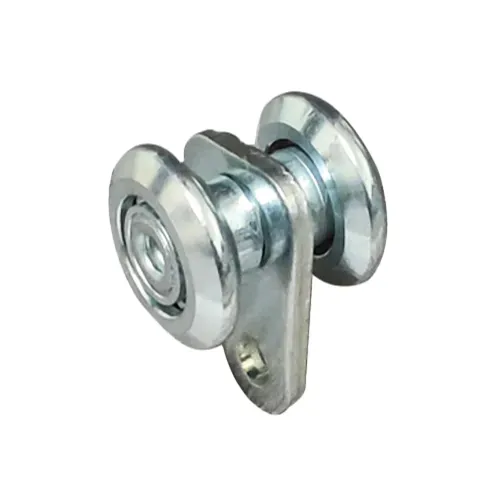
Durable Performance with Industrial Pulley Solutions
The industrial pulley is the backbone of mechanical lifting and transmission systems in manufacturing, logistics, and engineering industries. These components are crafted using high-grade materials like 45-type steel and stainless alloys to ensure longevity and resistance to wear. Their precision-engineered structure supports high tensile loads and continuous operation, critical for environments like factories, assembly lines, and heavy machinery installations. Not only do they contribute to smoother operations, but they also help reduce maintenance frequency due to their reliable construction and corrosion-resistant finishes. Industrial-grade pulleys are the go-to option when operational reliability is paramount.
Smooth Sliding with Sliding Door Hanging Wheel Technology
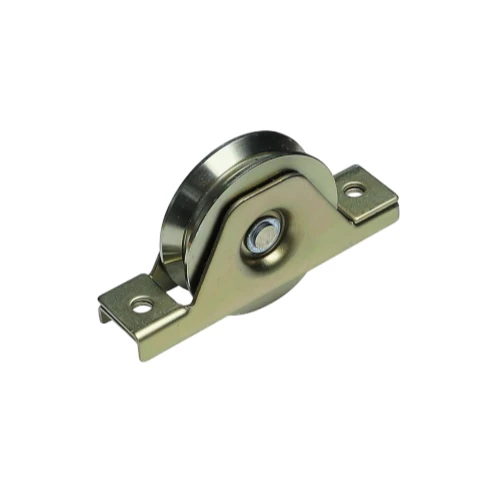
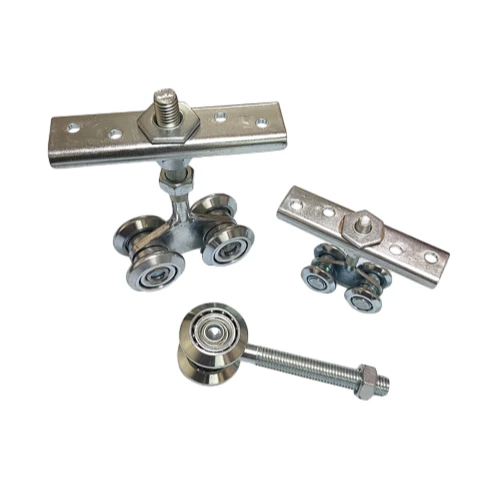
The sliding door hanging wheel provides an elegant and functional solution for residential and commercial door systems. These wheels ensure that heavy sliding doors—whether made of glass, wood, or metal—glide effortlessly along their tracks. Designed with precision ball bearings and robust wheel assemblies, they provide minimal friction and maximum weight-bearing capacity. Whether installed in retail storefronts or luxury interiors, these wheels add a touch of sophistication without compromising on functionality. The galvanized surface treatments prevent rusting, while the strong internal bearings guarantee years of seamless use with little maintenance.
Stainless Steel Pulley: Corrosion Resistance for Demanding Environments
When operating in moisture-prone or corrosive environments, the stainless steel pulley is an ideal choice. This type of pulley is widely used in the marine industry, chemical plants, and food-grade applications, where hygiene and resistance to degradation are critical. Stainless steel offers superior strength while protecting against oxidation, saltwater exposure, and chemical corrosion. These pulleys are also favored for their sleek, modern appearance and low maintenance needs. Precision is another advantage—they’re crafted to exact tolerances, ensuring optimal alignment and reduced mechanical loss. As a result, they’re as suitable for harsh environments as they are for architecturally refined installations.
Steel Pulley for Tough Applications and Heavy Loads
The steel pulley stands out for its ruggedness and reliability under pressure. Designed for environments where strength and toughness are paramount, such as in mining, construction, and logistics, these pulleys excel in handling heavy weights and rough usage. Often coated with zinc or other protective layers, steel pulleys resist rust, deformation, and breakage even after prolonged exposure to challenging conditions. Their structural integrity makes them suitable for overhead lifting systems, cable hoists, and winches. Users seeking unmatched endurance often turn to steel pulleys for consistent performance in harsh environments with little risk of mechanical failure.
Marine Pulleys: Engineered for Sea-Grade Strength and Stability
Marine pulleys are built with specialized features to handle the demanding conditions of ocean and freshwater applications. Designed to resist salt corrosion and extreme weather, these pulleys are essential components on boats, docks, shipyards, and offshore rigs. Their materials—typically stainless steel or galvanized steel—are selected specifically for resistance to moisture and corrosion, while the bearings and sheaves are sealed to prevent grit and salt intrusion. With high load-bearing capability and low friction operation, marine pulleys ensure the secure and efficient handling of rigging systems, fishing equipment, and mooring operations. Their resilience and reliability make them a vital part of any seafaring or dockside setup.
Industrial pulley FAQs
What materials are best suited for industrial pulley construction?
The most commonly used materials for industrial pulley manufacturing are 45-type carbon steel and stainless steel. These materials offer a balance of strength, toughness, and corrosion resistance. Carbon steel is ideal for high-load scenarios, while stainless steel excels in environments where moisture, chemicals, or hygiene requirements are present.
How do stainless steel pulleys compare to other pulley types in performance?
Stainless steel pulleys provide superior resistance to rust, chemicals, and extreme temperatures. They are particularly useful in industries like food processing, marine applications, and chemical plants. While more expensive than traditional steel pulleys, their long service life and minimal maintenance requirements often offset the initial investment.
Can sliding door hanging wheels support heavy commercial doors?
Yes, sliding door hanging wheels are specifically designed to support substantial weights. Models intended for commercial use are equipped with reinforced frames and precision ball bearings, allowing them to carry doors weighing hundreds of kilograms without compromising smooth operation or structural integrity.
What are the maintenance requirements for marine pulleys?
Marine pulleys require periodic inspection to check for signs of salt intrusion, wear on bearings, and any corrosion on exposed surfaces. Sealed bearing systems help reduce maintenance, but regular cleaning and occasional lubrication are still recommended to ensure long-term performance in marine environments.
How do steel pulleys ensure safety in industrial lifting systems?
Steel pulleys offer high tensile strength and are engineered to handle extreme loads without deformation. Their design often includes heavy-duty sheaves, secure axle fittings, and protective finishes. These factors work together to provide a stable and secure component in hoisting and mechanical lifting operations, reducing the risk of failure during use.

-
Heavy Duty Ramp Gate Hinges Guide for Industrial EquipmentNewsApr.16,2026
-
Guide to Selecting the Right Ramp Door Spring Hinge for TrailersNewsApr.09,2026
-
Comprehensive Guide to Livestock Trailer Gate Hinges for Durable PerformanceNewsApr.07,2026
-
Choosing the Right Heavy Duty Hinges for Ramps A Comprehensive GuideNewsApr.04,2026
-
Comprehensive Guide to Choosing the Right Enclosed Trailer Ramp Door Extension HingeNewsMar.31,2026
-
Comprehensive Guide to Bi Fold Trailer Gate Hinges for Optimal PerformanceNewsMar.28,2026
-
Comprehensive Guide to Durable Aluminum Trailer Ramp Hinges for Optimal PerformanceNewsMar.26,2026