




Double Door Hinges: The Essential Component in Industrial and Architectural Solutions
At first glance, double door hinges might not grab headlines like AI or renewable energy, but they play an undeniably pivotal role in global construction, manufacturing, and humanitarian aid. Understanding double door hinges is more than just knowing a hardware piece; it’s about appreciating a technical, reliable solution that supports everything from secure warehouses to emergency shelters across the world.
Introduction: Why Double Door Hinges Matter Worldwide
Globally, the demand for efficient, durable door systems is soaring—not least because of increased urbanization, industrial expansion, and emergency infrastructure development. According to ISO standards, quality door fittings like hinges must meet stringent durability and safety benchmarks. But challenges abound: doors need to hold heavy loads, resist harsh climates, and ensure quick access in emergencies. Double door hinges address these challenges directly by balancing functionality and ruggedness.
Whether in industrial zones in Asia, healthcare facilities in Africa, or luxury hotels in Europe, reliable hinges keep doors operating smoothly—improving safety, accessibility, and even energy efficiency.
Mini takeaway: Double door hinges are globally relevant because they ensure structural integrity and smooth access in diverse, demanding environments.
What Exactly Are Double Door Hinges?
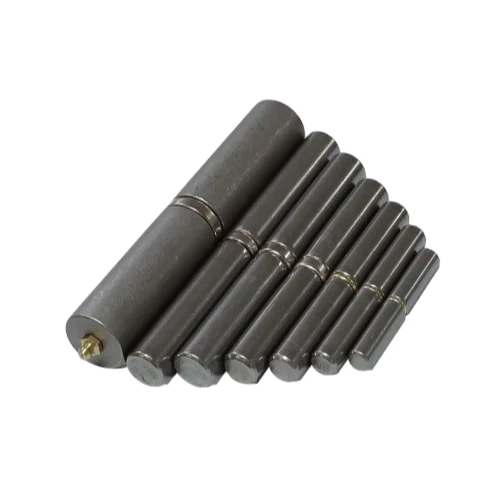
Simply put, double door hinges are mechanical bearings connecting two doors to their frame, facilitating rotation so both door panels open or close properly. Unlike single door hinges, these are engineered for paired doors that swing independently or together. Usually made of steel, stainless steel, or brass, they are designed to bear heavier loads and endure more frequent use.
In the modern era, these hinges help create efficient shipping container conversions, rapid deployment buildings, and even modular hospitals—spotlighting their role beyond traditional construction into humanitarian and industrial fields.
Core Components & Key Factors of Double Door Hinges
1. Durability and Material Quality
Double door hinges usually need to withstand wear, corrosion, and impact. You’ll often find them crafted from galvanized or stainless steel, providing rust resistance in humid or salty environments—a must for coastal or tropical installations.
2. Load Capacity and Size
The size and strength dictate what doors they fit. Industrial warehouses might use heavy-duty 6-inch hinges, while office buildings prefer a smaller 4-inch hinge that’s less obtrusive.
3. Installation Flexibility
Good hinges provide alignment tolerance and easy mounting options. This helps installers adjust door position post-installation—a real timesaver especially in uneven frames.
4. Security & Safety Features
Some hinges include tamper-proof pins or protective covers, ensuring doors can’t be easily dismantled from outside—important in secure facilities.
5. Aesthetic Finish
In architectural projects, finishes like satin nickel or black powder coat combine functionality with design, allowing hinges to blend or stand out as needed.
Typical Specifications of Popular Double Door Hinges
| Feature | Light-duty Model | Heavy-duty Model | Material |
|---|---|---|---|
| Load Capacity | 45 kg per hinge | 120 kg per hinge | Stainless Steel |
| Size | 4 inch (100 mm) | 6 inch (150 mm) | Galvanized Steel |
| Finish | Satin Nickel | Powder Coated Black | Brass |
| Installation | Surface Mount | Recessed Mount |
Double Door Hinges in Action: Real-World Applications
- Disaster Relief & Humanitarian Shelter: In earthquake aftermaths, rapid-deploy shelters use double door hinges for quick assembly and reliable closure.
- Industrial Warehousing: Manufacturing plants require heavy-duty double door hinges on fire doors and security enclosures.
- Transportation & Shipping: Container door conversions rely on strong hinges to maintain waterproof seals while allowing repeated opening cycles.
- Public Infrastructure: Hospitals and schools benefit from double door configurations for accessibility and flow management.
Regions with extreme climates (e.g., northern Europe or Southeast Asia) increasingly depend on corrosion-resistant hinges to maintain door performance over time.
Mini takeaway: Double door hinges serve critical roles globally, from emergency shelters to industrial safety systems, underscoring their wide-ranging importance.
Advantages and Long-Term Value of Double Door Hinges
First, the cost-benefit equation is compelling: durable hinges reduce replacement frequency, saving money. Second, sustainability is improved because quality materials resist corrosion, lowering waste and maintenance needs. Third, on a social level, these hinges maintain safety—especially on emergency exits and restricted areas—protecting human lives and property.
There’s also a kind of emotional reassurance that comes from reliable hardware. Many facility managers say it feels like “peace of mind” knowing the doors won’t fail when it counts. In buildings where dignity is key—like hospitals or homes for displaced persons—smooth door operation translates into a better experience and trust in the built environment.
Vendor Comparison: Popular Double Door Hinges
| Vendor | Materials | Price Range | Warranty | Typical Use |
|---|---|---|---|---|
| Aobang Metal | Stainless & Galvanized Steel | $$$ | 5 years | Industrial & commercial |
| HingePro | Brass & Powder Coated Steel | $$ | 3 years | Residential & light commercial |
| DoorTech Solutions | High-grade Stainless Steel | $$$$ | 7 years | High security & heavy industry |
Future Trends in Double Door Hinges
Looking ahead, smart hinges are emerging—ones embedded with sensors to monitor door status and detect forced entry or damage remotely. This fits well with the expanding Internet of Things (IoT) in security and building automation.
Materials-wise, the push for sustainability is inspiring research into composite hinges that reduce metal use without sacrificing strength or durability. Plus, coatings with antimicrobial and corrosion-resistant properties are becoming more widespread—a boon for healthcare settings especially.
Challenges & Practical Solutions
Even the best hinges face hurdles. Corrosion in harsh environments remains a nemesis. Installation errors cause misalignment and early wear. And sometimes, budget constraints lead to selection of inferior parts that fail prematurely.
Solutions? Manufacturers recommend rigorous quality control, use of corrosion-resistant coatings, and onsite installer training to ensure proper alignment. Plus, partnering with suppliers known for certifications (like ISO 9001) helps avoid headaches down the line.
FAQ: Frequently Asked Questions About Double Door Hinges
- How do I choose the right double door hinge size for my project?
- Consider the weight and thickness of each door panel first. Heavier doors require larger, heavy-duty hinges. Also, check manufacturer specs for maximum load per hinge and the number of hinges needed to evenly distribute the weight.
- Are double door hinges suitable for outdoor applications?
- Absolutely—especially if made from stainless steel or galvanized materials. For coastal or wet environments, look for additional corrosion-resistant finishes to ensure longevity.
- Can double door hinges improve building security?
- Yes. Many hinges come with tamper-resistant pins or security studs that prevent door removal, enhancing physical security in sensitive areas.
- Is it possible to retrofit existing doors with new double door hinges?
- Often yes, but it depends on the door frame and door design. Retrofitting may require minor carpentry to fit the hinge size and type properly. Consulting with hardware specialists ensures the right fit and function.
Conclusion
In real terms, double door hinges support more than just doors—they uphold safety, efficiency, and innovation across sectors worldwide. They contribute subtle but vital value, from disaster relief shelters to secure warehouses, powering better outcomes one swing at a time.
If you want to explore the best in double door hinges with proven durability and expert craftsmanship, I highly recommend visiting Aobang Metal to see what’s available for your next project.
It really feels like this humble hardware has earned its place in the toolkit of modern industry and infrastructure.
References:
-
Heavy Duty Ramp Gate Hinges Guide for Industrial EquipmentNewsApr.16,2026
-
Guide to Selecting the Right Ramp Door Spring Hinge for TrailersNewsApr.09,2026
-
Comprehensive Guide to Livestock Trailer Gate Hinges for Durable PerformanceNewsApr.07,2026
-
Choosing the Right Heavy Duty Hinges for Ramps A Comprehensive GuideNewsApr.04,2026
-
Comprehensive Guide to Choosing the Right Enclosed Trailer Ramp Door Extension HingeNewsMar.31,2026
-
Comprehensive Guide to Bi Fold Trailer Gate Hinges for Optimal PerformanceNewsMar.28,2026
-
Comprehensive Guide to Durable Aluminum Trailer Ramp Hinges for Optimal PerformanceNewsMar.26,2026