Look, I've spent the last fifteen years knee-deep in concrete and dust, watching things get built – and sometimes, not get built because of a simple component failing. That component? Often, it boils down to the v pulley system. It's not glamorous, but it’s the unsung hero of so much of what we do in construction, manufacturing, and even agriculture. A good v pulley isn’t just about moving things from A to B; it’s about reliability, efficiency, and keeping a project on schedule – and on budget. It’s about preventing downtime and frustration, things that cost real money, real quickly.
You see a lot of different suppliers promising the world, but at the end of the day, it comes down to robustness. I’ve seen cheap pulleys crumble under pressure, causing delays and safety concerns. That’s why understanding the nuances of a quality v pulley – the materials, the design, the tolerances – is critical. It’s not just a spec on a sheet; it's a fundamental part of ensuring a project's success. And it’s not limited to massive industrial setups either; even smaller projects benefit from a solid, reliable power transmission system.
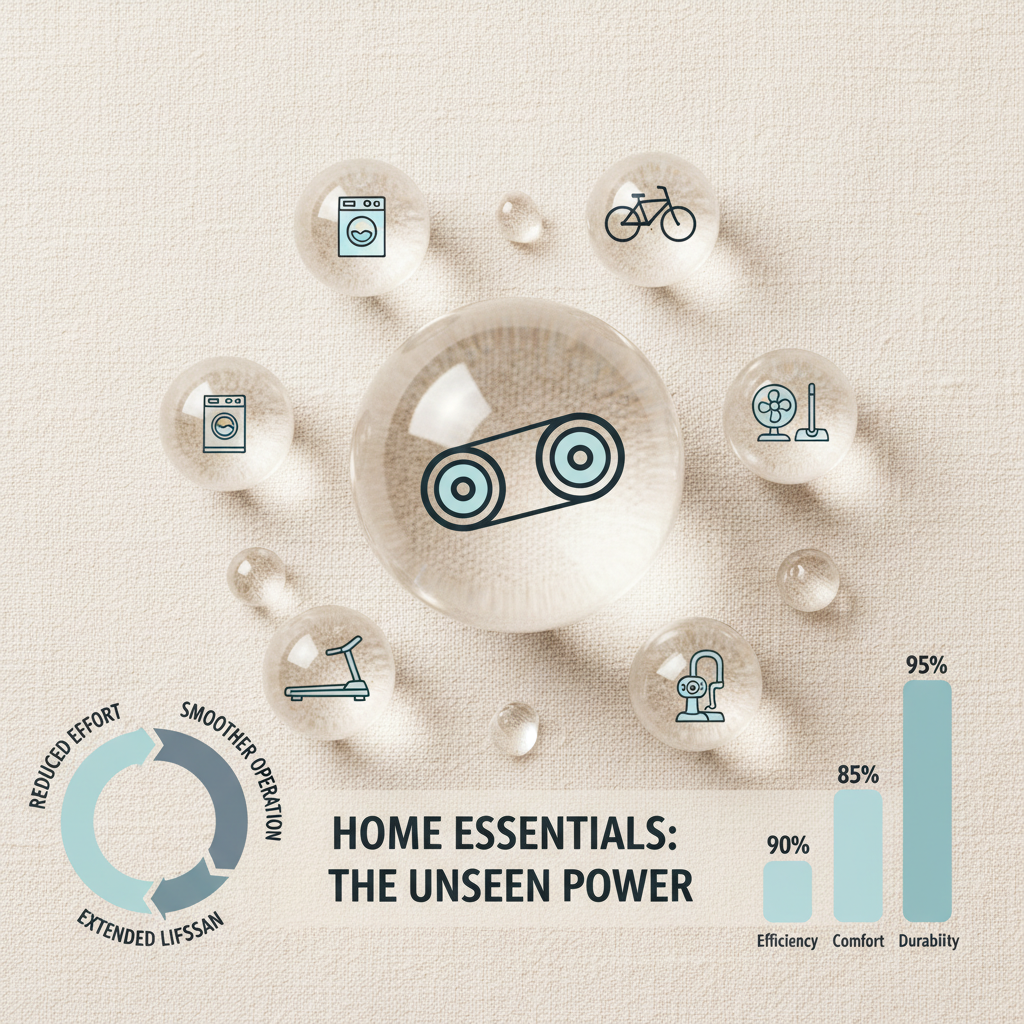
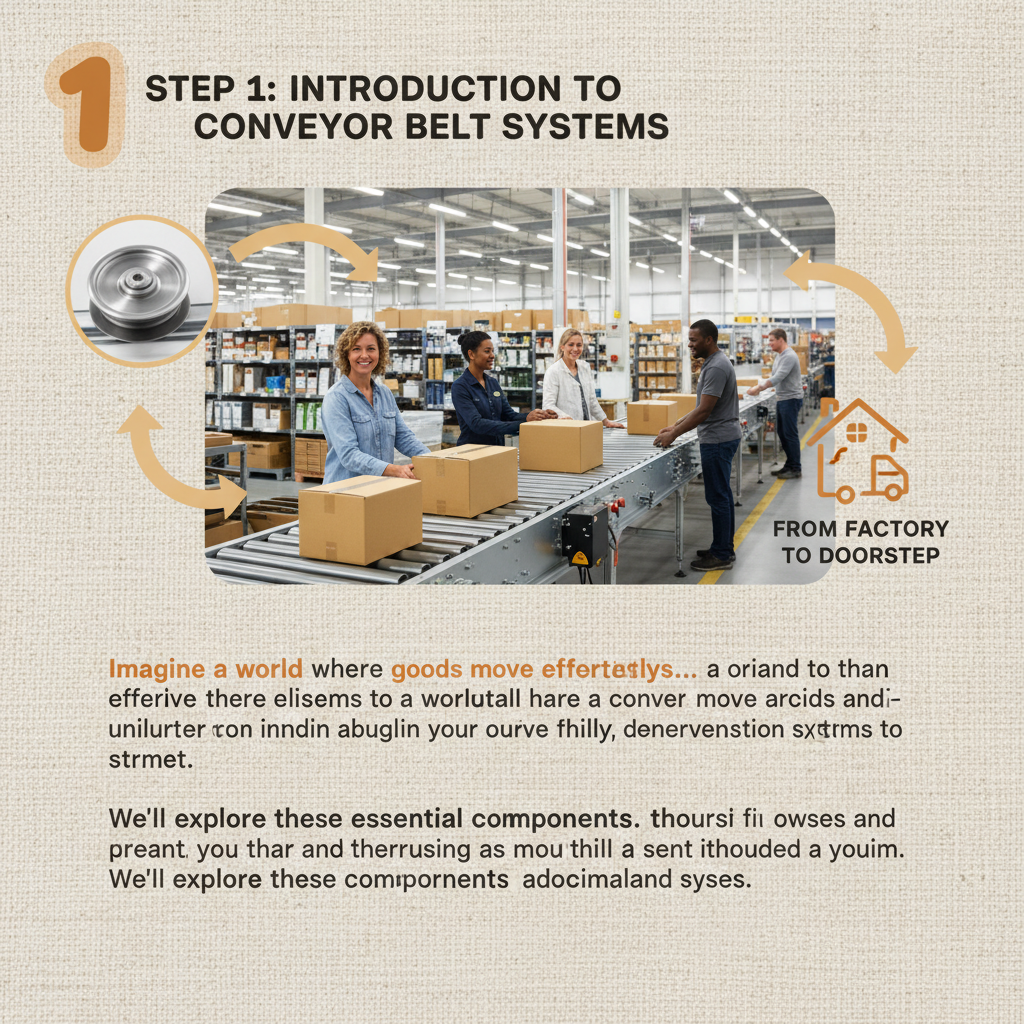
From lifting materials on high-rise construction sites to powering conveyor systems in processing plants, the v pulley is everywhere. It’s the workhorse of modern industry, silently driving efficiency and enabling progress. The more you dig into it, the more you realize how crucial these seemingly simple components are to the smooth operation of everything around us.
The Core Principles of v pulley Design
At its heart, a v pulley system is about transmitting rotational power efficiently. The V-shaped groove on both the pulley and the belt creates a wedging action, increasing friction and maximizing power transfer. The angle of that V is critical – too shallow, and you lose grip; too steep, and you add stress to the belt. You've got to get that balance right.
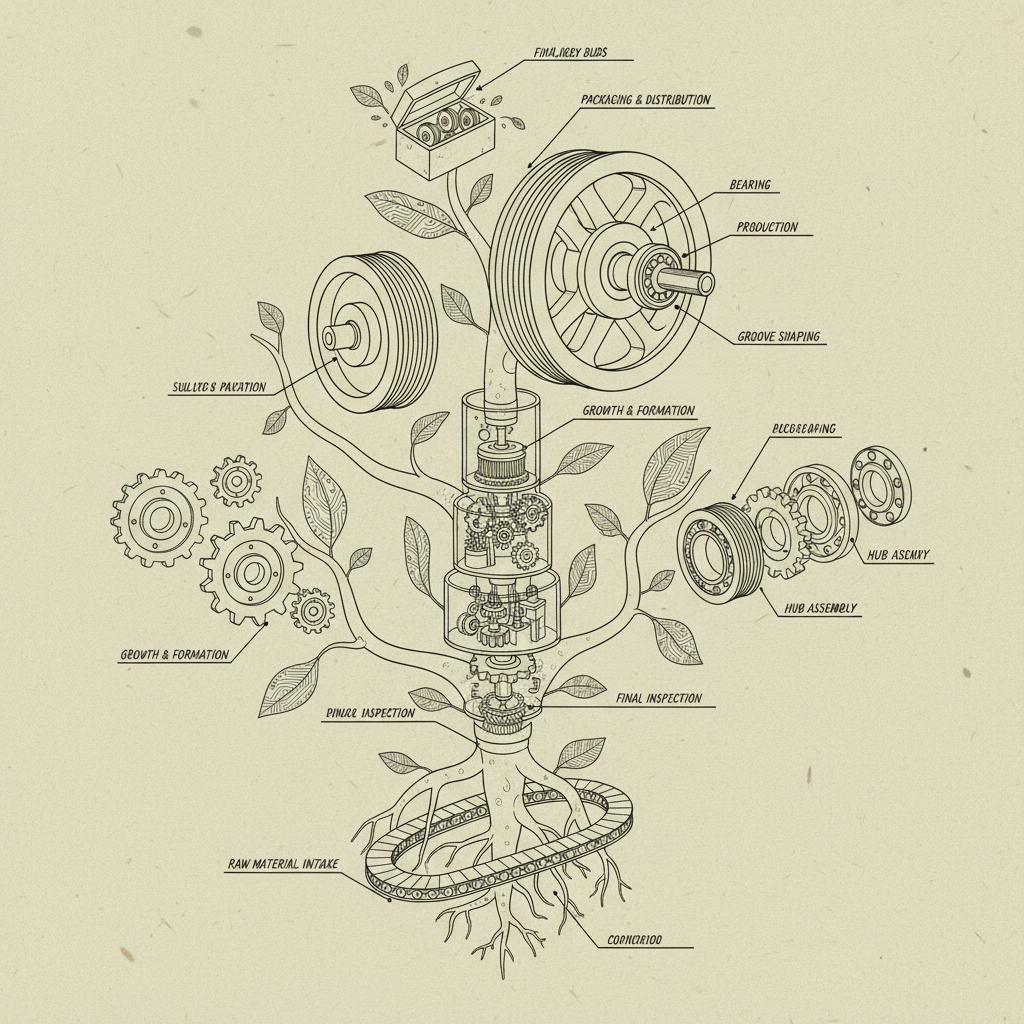
And it's not just about the shape. The material matters hugely. Cast iron is a workhorse, durable and cost-effective for many applications. But for high-stress, high-speed situations, you need something tougher, like steel or even specialized polymers. The type of bearing inside the pulley also significantly impacts performance and lifespan. Those little details make or break the whole system.
The Global Impact of v pulley Technology
You look around any construction site, any factory, and you'll see them – v pulleys powering everything from conveyor belts to compressors. The demand is global, driven by continued industrialization in developing nations and the constant need for efficiency in established economies. According to the World Bank, manufacturing output is projected to grow by X% in the next decade, and a significant portion of that relies on reliable power transmission systems.
This isn’t just about developed nations either. I’ve worked on projects in remote areas where the simplicity and robustness of a v pulley system were absolutely essential. It’s a technology that can be maintained with relatively basic tools and skills, making it ideal for locations where specialized technicians aren’t readily available. The ISO standards for v pulley manufacturing are becoming increasingly stringent, which is a good thing – it ensures a level of quality and safety that protects workers and improves overall efficiency.
One of the biggest challenges we face is sourcing quality components consistently, especially with supply chain disruptions becoming more frequent. That’s where a reliable partner, one who understands the nuances of v pulley systems, is invaluable.
Defining v pulley: Beyond the Basics
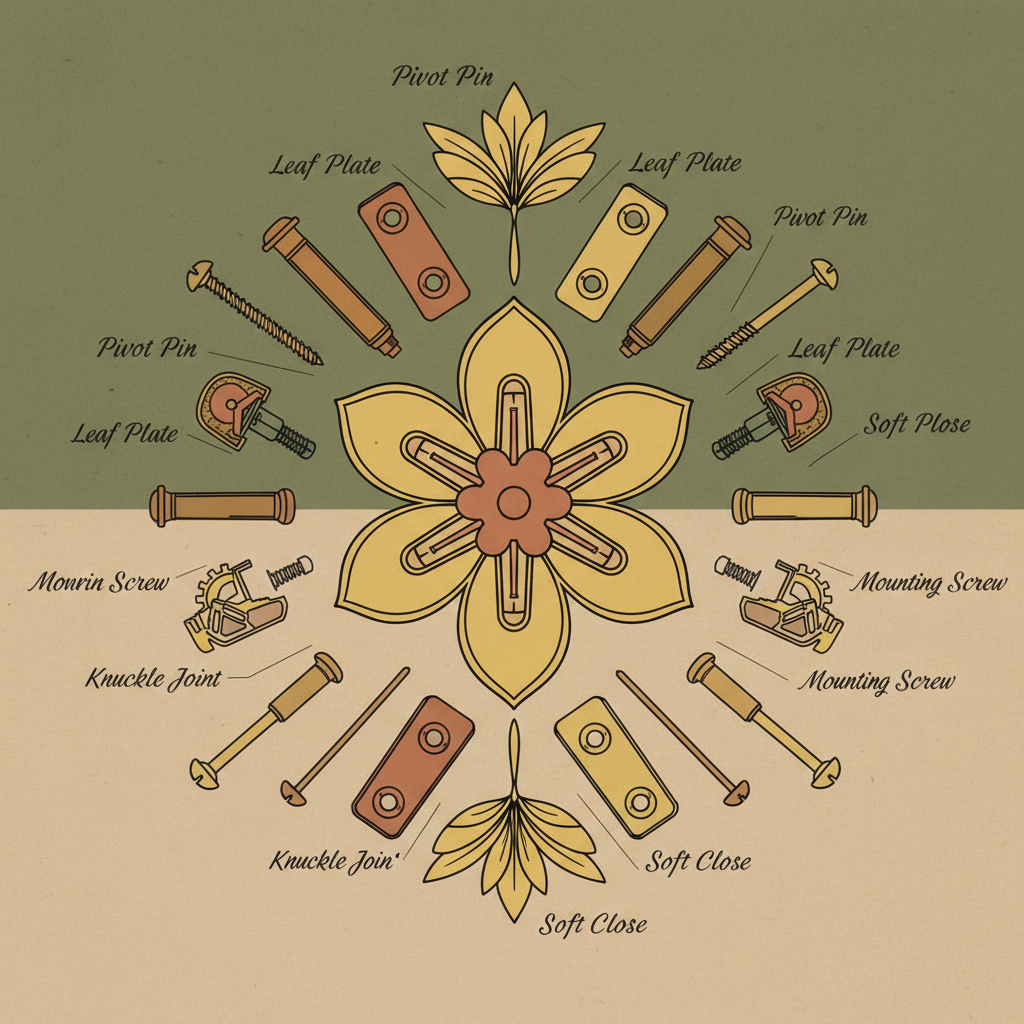
When people think of a v pulley, they often just picture the wheel with the grooves. But it’s much more than that. It’s a complete system – the pulley itself, the belt, the bearings, and the mounting hardware. All these components need to work in harmony to deliver optimal performance. It’s about the whole package, not just one piece.
The connection to modern industry and even humanitarian needs is often overlooked. Think about water pumps in rural communities, powered by simple engines and v pulley systems. These systems provide access to clean water, improving public health and supporting local economies. It's a far cry from a factory floor, but the principle is the same: reliable power transmission for a critical application.
We’re seeing increasing demand for specialized v pulley designs tailored to specific applications, like those requiring precise speed control or high torque transmission. This requires a deep understanding of the engineering principles behind power transmission and a willingness to collaborate with clients to develop customized solutions.
Key Factors Influencing v pulley Performance
Let’s talk specifics. First, durability is paramount. The materials used in the pulley and belt must withstand constant stress, abrasion, and environmental factors. Second, precision is key. Accurate machining and tight tolerances ensure smooth operation and minimize energy loss.
Third, load capacity determines the maximum power that can be transmitted without failure. Fourth, speed capability dictates the maximum rotational speed the system can handle. Fifth, belt tension is crucial – too loose, and you slip; too tight, and you wear out the bearings. Finally, environmental conditions like temperature and humidity can all impact performance.
v pulley Performance Metrics
Global Applications and Real-World Use Cases
I’ve seen v pulleys in everything from massive mining operations to small-scale agricultural equipment. In post-disaster relief operations, they’re used to power generators and water pumps, providing essential services to affected communities. In remote industrial zones, they’re the backbone of local manufacturing facilities, enabling economic development.
The automotive industry relies heavily on v pulley systems for everything from power steering to air conditioning. Manufacturing plants use them to drive conveyor belts, pumps, and compressors. Even in the renewable energy sector, v pulleys play a role in wind turbine gearboxes. The versatility of this technology is truly remarkable.
The Advantages and Long-Term Value of v pulley Systems
The biggest benefit? Reliability. A well-maintained v pulley system can run for years with minimal maintenance. That translates to reduced downtime, lower operating costs, and increased productivity. It’s a tangible return on investment.
There's also the sustainability aspect. Durable components mean less frequent replacements, reducing waste and minimizing environmental impact. From a safety standpoint, a properly designed v pulley system is inherently safe, reducing the risk of accidents and injuries. And let's not forget the peace of mind that comes with knowing your equipment is running smoothly and efficiently.
Future Trends and Innovations in v pulley Technology
We’re seeing a push towards lighter, more efficient materials like composite polymers. These materials can reduce weight and improve performance, especially in high-speed applications. Smart pulleys, equipped with sensors that monitor belt tension and temperature, are also gaining traction.
Another trend is the integration of v pulley systems with variable frequency drives (VFDs), allowing for precise speed control and energy savings. And with the rise of Industry 4.0, we're seeing increased demand for connected pulleys that can provide real-time data on performance and maintenance needs.
The focus on sustainability is also driving innovation. Manufacturers are developing v pulleys from recycled materials and designing systems that are easier to disassemble and recycle at the end of their lifespan. This aligns with the growing demand for circular economy solutions.
Overview of v pulley System Challenges and Mitigation Strategies
| Challenge |
Root Cause |
Mitigation Strategy |
Impact on v pulley System Performance |
| Belt Slippage |
Insufficient Belt Tension |
Regular Belt Tension Adjustment |
Improved Power Transmission Efficiency |
| Bearing Failure |
Lack of Lubrication |
Scheduled Bearing Lubrication |
Extended Bearing Lifespan |
| Pulley Misalignment |
Improper Installation |
Precision Alignment Procedures |
Reduced Vibration and Noise |
| Belt Wear |
Contamination & Abrasive Environment |
Belt Guards & Regular Cleaning |
Prolonged Belt Life & Reduced Downtime |
| Vibration & Noise |
Imbalanced Pulley |
Dynamic Balancing of Pulley |
Increased System Stability |
| Corrosion |
Exposure to Harsh Chemicals |
Use of Corrosion-Resistant Materials |
Enhanced System Longevity |
FAQS
Finding the right belt tension is a balancing act. Too loose, and you'll get slippage, reducing power transmission efficiency. Too tight, and you'll prematurely wear out the bearings. A good rule of thumb is to deflect the belt approximately 1/64 inch per inch of span. However, always consult the manufacturer's recommendations for your specific system, as the ideal tension can vary depending on the application and belt type.
Regular inspections are crucial for preventing costly downtime. I recommend a visual inspection at least monthly, checking for signs of wear and tear on the belt, pulleys, and bearings. Listen for unusual noises, like squealing or grinding, which could indicate a problem. A more thorough inspection, including checking belt tension and alignment, should be done every six months or annually, depending on the severity of the application.
Belt slippage is often a symptom of an underlying issue. Insufficient belt tension is a primary culprit, but other factors can also contribute. Contamination on the belt or pulley surfaces, such as oil or grease, can reduce friction. Misalignment of the pulleys can also cause the belt to slip. Finally, a worn or damaged belt may not be able to grip the pulley properly.
Generally, it's not recommended to mix different types of belts on the same system. Belts are designed with specific profiles and materials to match the pulley groove. Using mismatched belts can lead to uneven wear, reduced efficiency, and premature failure. Always use belts that are specifically designed for your v pulley system.
Environmental factors can significantly impact v pulley performance. Extreme temperatures can cause belts to expand or contract, affecting tension. Humidity can lead to corrosion of metal components. Dust and debris can contaminate the belt and pulley surfaces, reducing friction. Selecting materials and components that are appropriate for the operating environment is crucial for ensuring long-term reliability.
Using a VFD allows you to precisely control the speed of the motor driving the v pulley system. This can lead to significant energy savings, especially in applications where the load varies. VFDs also provide soft starting and stopping, reducing stress on the system and extending its lifespan. They also offer enhanced process control and automation capabilities.
Conclusion
From the shop floor to remote operations, the v pulley remains a cornerstone of countless industries. Its simplicity, reliability, and versatility make it an indispensable component in a wide range of applications. Understanding the core principles of v pulley design, the factors influencing performance, and emerging trends is crucial for engineers, technicians, and anyone involved in maintaining or operating industrial equipment.
Looking ahead, continued innovation in materials, design, and integration with smart technologies will further enhance the efficiency and sustainability of v pulley systems. It’s not just about making things move; it’s about making them move smarter, more efficiently, and with a reduced environmental impact. To learn more about high-quality v pulley solutions and how we can help optimize your operations, visit our website: www.aobangmetal.com