




Small Hinges: The Tiny Heroes Holding the Modern World Together
If you’ve ever opened a cabinet, turned a door handle, or fiddled with a tech gadget, you’ve already interacted with a small hinge. These little but essential components quietly keep things working seamlessly — from furniture to electronics and even sophisticated industrial setups. Understanding small hinges matters because they influence durability, functionality, and even safety across countless industries worldwide.
Globally, the small hinge market is buoyed not just by traditional applications but by innovative fields like robotics, renewable energy enclosures, and mobile healthcare units. Behind their modest size lies a story of engineering finesse that directly impacts production quality and sustainability goals.
Quick Takeaway: Small hinges are tiny linchpins in industrial design and everyday products, crucial for efficiency, safety, and adaptability across the globe.
The Global Scene: Why Small Hinges Matter More Than You Think
It’s surprising, but hinges rank high in parts reliability concerns — especially small hinges used in precision equipment and small enclosures. According to ISO (International Organization for Standardization), adherence to hinge quality impacts product lifespans, user safety, and waste management [1]. The UN Environmental Program similarly highlights that product durability reduces ecological footprints by extending service life of devices and infrastructure [2].
But there’s a challenge: as devices become smaller and more complex—think drones, portable medical kits, or solar panel mounts—the demand for highly reliable yet small hinges soars. Finding durable, scalable, and cost-effective solutions that integrate seamlessly is no easy task.
Mini Takeaway: Small hinges are central to tackling sustainability and durability challenges worldwide, especially in high-tech and resource-limited settings.
Small Hinges Defined: What Exactly Are We Talking About?
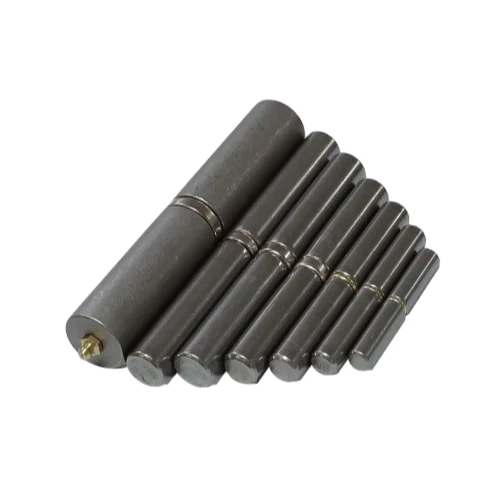
Simply put, small hinges are mechanical bearings consisting of two plates joined by a pin that allow pivot motion—usually rotation or angular movement. Their distinguishing trait? Their size and precision, specially engineered for compact spaces or lightweight loads.
More than just a connecting element, these hinges are designed to fit into various manufacturing processes — from injection molding to CNC machining — forming links in everything from small hinges for jewelry boxes to intricate drone camera mounts. Their role extends into humanitarian tech too: consider folding shelters or medical cabinets where space and reliability meet urgency.
Mini Takeaway: Small hinges are precision-crafted pivot points that marry versatility with precision engineering, fitting both everyday uses and complex innovations.
Key Factors That Define Quality and Function of Small Hinges
1. Durability
Small hinges must withstand repeated motion and environmental exposure — whether it’s moisture, temperature swings, or corrosive substances. Materials like stainless steel, brass, or high-grade polymers are common choices. Many engineers swear by stainless steel for its strength-to-weight balance and corrosion resistance, especially in outdoor or medical applications.
2. Precision and Size
Since small hinges often deal with tiny parts, precision manufacturing is critical. Slight misalignments cause undue stress and premature failures. Tolerances are often in the microns, especially in aerospace or electronics.
3. Load Capacity
Despite their size, these hinges frequently carry significant mechanical loads, often in delicate structures. Choosing the right load capacity is a balancing act—too weak, and you get breakage; too heavy, and costs and size balloon unnecessarily.
4. Scalability and Customization
Many projects require bespoke hinges—not a one-size-fits-all. Modern machining and stamping allow custom sizes, finishes, and pin styles to fit niche use cases. This flexibility underpins sustainable design in modular devices and transportable structures.
5. Cost Efficiency
Material choice, manufacturing technique, and volume all influence pricing. Balancing cost with performance often dictates the overall product’s success in competitive markets.
6. Ease of Installation
Practicality counts. Small hinges designed for easy assembly reduce production time and customer frustrations — a crucial factor in mass manufacturing or field repairs.
Mini Takeaway: From toughness to tiny tolerances and tailored designs, multiple factors combine to make small hinges both reliable and cost-effective.
How Small Hinges Make a Difference Worldwide: Real-World Applications
- Medical Equipment: In remote clinics, small hinges enable foldable workstations and transportable cases that must survive rough handling and harsh environments.
- Consumer Electronics: Smartphones, laptops, and wearable tech all rely on ultra-precise tiny hinges that balance smoothness with robustness.
- Automotive Industry: Compact hinges function in glove compartments, infotainment swivels, and even in electric vehicle battery enclosures.
- Post-Disaster Relief: Portable shelters and multifunctional kits designed for rapid deployment utilize cleverly engineered small hinges to fold and unfold efficiently.
- Renewable Energy Sector: Solar panel mounts and battery boxes sometimes integrate small hinges for easy maintenance and modularity.
Mini Takeaway: Across sectors and regions—from Silicon Valley to Sub-Saharan Africa—small hinges quietly support innovation, resilience, and practical utility.
Advantages and Long-Term Value of Investing in Quality Small Hinges
Think of small hinges as tiny trust factors that save money and headaches over the long run. Here are some advantages they bring:
- Cost Savings: Durable hinges reduce repairs and replacements.
- Sustainability: High-quality hinges prolong product lifecycles, cutting waste.
- Safety: Reliable movement mechanisms prevent injuries or malfunctions.
- Innovation: Enables new designs in compact devices and foldable tech.
- Customer Satisfaction: Smooth user experience through flawless function.
Emotionally, brands that bother with detailed hinge quality come across as thoughtful and trustworthy — a factor often underestimated outside of engineering circles.
Looking Ahead: Innovations and Trends in Small Hinges
The future? It’s all about smart materials and smarter manufacturing. Think shape-memory alloys that “heal” minor deformation or 3D-printed hinges that merge complexity with lighter weight. Automation in assembly lines also pushes demand for hinges that self-align or snap-fit.
On sustainability, bio-based polymers and recyclable metals are gaining ground. Some manufacturers partner with green energy initiatives to slash their carbon footprint — ironically, tiny hinges lead this charge by enabling longer-lasting products.
Challenges & Solutions: What Holds Back Small Hinges Today?
Admittedly, small hinges face challenges:
- Wear and Tear Under Extreme Conditions: High abrasion zones can cause rapid failure.
- Manufacturing Precision Limits: Nano-scale tolerances demand costly processes.
- Material Trade-offs: Finding the right balance between toughness and flexibility.
Innovations like surface coatings, hybrid materials, and modular hinge designs are promising solutions. Engineers also increasingly rely on advanced testing methods — including computer simulations — to predict failure and optimize specs before prototyping.
FAQ: Your Small Hinges Questions, Answered
- Q: How do I choose the right small hinge for a portable medical device?
- A: Focus on corrosion resistance (stainless steel or plastic composites), smooth operation, and minimal maintenance. It’s vital that hinges tolerate frequent opening and exposure to disinfectants.
- Q: Are small hinges customizable for unusual shapes or loads?
- Yes, many manufacturers offer custom hinges tailored in size, finish, and load capacity. If your application is unique, it’s worth consulting a vendor early to ensure design compatibility.
- Q: Can small hinges improve the lifespan of electronic gadgets?
- Definitely. Precise hinge mechanics prevent wobble and wear, which contribute to device failures. Quality hinges also enable smooth user action, preventing drops or damage.
- Q: What environmental certifications should I look for when sourcing small hinges?
- Standards like RoHS (Restriction of Hazardous Substances) and REACH compliance ensure hinges meet environmental and safety regulations.
- Q: Are installation and replacement complicated for small hinges?
- Not always. Many modern hinges are designed for easy snap-in or screw-in assembly. Still, careful alignment is key to prevent premature wear.
Small Hinges Product Specification Table
| Specification | Typical Range | Notes |
|---|---|---|
| Material | Stainless Steel, Brass, Aluminium, Nylon | Chosen by corrosion resistance & strength needs |
| Length | 10 mm to 50 mm | Depends on application |
| Pin Diameter | 1.2 mm to 3 mm | Key to hinge strength and smoothness |
| Operating Temperature | -40°C to 150°C | Varies by material |
| Max Load Capacity | Up to 50 N | Important for industrial uses |
Vendor Comparison for Small Hinges
| Vendor | Material Options | Customization | Typical Lead Time | Price Range |
|---|---|---|---|---|
| Aobang Metal | Stainless Steel, Brass, Nylon | Full customization available | 2-4 weeks | Mid-range |
| Global Hinges Co. | Steel, Aluminum | Limited customization | 3-5 weeks | Higher-end |
| HingePro | Brass, Plastic | Standard options only | 1-3 weeks | Low-range |
In Conclusion: Why Small Hinges Deserve Your Attention
Honestly, it feels a bit funny to insist that such tiny pieces are so important, but they really are. Small hinges hold the fine threads connecting human comfort, safety, and innovation. Whether you're building a rugged medical kit for disaster zones or a sleek gadget for everyday use, picking the right small hinge can spell the difference between success and frustration.
If you’re intrigued or need a reliable partner to supply precision small hinges, well, it’s worth checking out Aobang Metal. Their blend of experience, customization, and quality control is proven, saving engineers and designers loads of hassle.
The world keeps shrinking, tech gets smaller and smarter, and small hinges keep quietly turning to make it all work.
Final Thought: Never underestimate the small stuff; sometimes the tiniest hinge holds the biggest potential.
References:


-
Heavy Duty Ramp Gate Hinges Guide for Industrial EquipmentNewsApr.16,2026
-
Guide to Selecting the Right Ramp Door Spring Hinge for TrailersNewsApr.09,2026
-
Comprehensive Guide to Livestock Trailer Gate Hinges for Durable PerformanceNewsApr.07,2026
-
Choosing the Right Heavy Duty Hinges for Ramps A Comprehensive GuideNewsApr.04,2026
-
Comprehensive Guide to Choosing the Right Enclosed Trailer Ramp Door Extension HingeNewsMar.31,2026
-
Comprehensive Guide to Bi Fold Trailer Gate Hinges for Optimal PerformanceNewsMar.28,2026
-
Comprehensive Guide to Durable Aluminum Trailer Ramp Hinges for Optimal PerformanceNewsMar.26,2026