




Nov . 26, 2025 14:20
Back to list
Comprehensive Guide to Door Closer Hinges: Global Relevance & Technical Insights
Understanding the Door Closer Hinge: Why It Matters Globally
If you’ve ever taken a door’s soft closing for granted, you might be surprised to learn the crucial role something called a door closer hinge plays every day — in homes, offices, airports, and remote industrial facilities alike. This tiny but mighty component joins two worlds: the traditional hinge’s pivot motion with the controlled damping that ensures a door shuts safely, quietly, and reliably. Globally, as societies push for smarter building infrastructure and prioritize safety standards, understanding door closer hinges isn’t just technical nitpicking; it’s about shaping environments where security, efficiency, and accessibility matter. According to the International Organization for Standardization (ISO), building hardware components including door hinges and closers must meet strict durability and safety criteria, especially in high-traffic and emergency contexts. This reflects a larger push toward safer, sustainable public and private spaces worldwide — from bustling urban centers to developing regions upgrading infrastructure. Mini takeaway: Door closer hinges quietly safeguard buildings and users, proving their global relevance across industry and humanitarian efforts alike.The Global Importance of Door Closer Hinges
Globally, the urban population is expected to reach 68% by 2050 (UN DESA), meaning more buildings, more doors, and more demand for reliable closure mechanisms. Doors aren’t just barriers; they’re gateways for safety in emergencies (think fire exits), temperature control, and noise reduction. However, traditional hinges alone don’t control momentum, which can cause slamming, damage, or even injury. The ISO 9001 quality management standards emphasize consistent performance and safety — and door closer hinges directly support these goals by regulating door movement. Yet challenges remain: from harsh weather conditions eroding components in coastal regions to irregular maintenance complicating reliability in under-resourced areas. It’s a nuanced global challenge with very practical implications. Mini takeaway: Door closer hinges address a clear global need: combining durability with user safety amid rapid urbanization and diverse climates.What Exactly Is a Door Closer Hinge?
At its simplest, a door closer hinge is an engineered hardware piece that combines the functions of a hinge and a hydraulic or spring mechanism to automatically close a door after it’s opened. Unlike a standard hinge that simply pivots, the closer hinge controls speed, ensuring it doesn’t bang shut too aggressively. Think of it as the thoughtful middleman of door mechanics—a blend of motion and control. It’s essential in environments where you need doors to close by themselves for privacy, to meet fire codes, or to save on energy by preventing heat loss. You’ll find these hinges on everything from commercial building doors to high-security vault entrances. Mini takeaway: Door closer hinges combine motion with control, bridging the gap between traditional hinges and safety-focused closure solutions.Core Components that Define a Door Closer Hinge
1. Durability
A closer hinge faces constant mechanical stress and often exposure to elements. Materials like stainless steel or zinc alloys help resist corrosion and wear. In industrial zones or seaside facilities, corrosion resistance is often a dealbreaker.2. Closing Force & Control
The internal hydraulic system or spring tensionsets the closing speed and force. Adjustability matters for different door weights and use cases — a heavy warehouse door needs a different setup than an office restroom stall.3. Installation Versatility
A well-designed door closer hinge fits various door thicknesses and frames. Modular designs and easy axle adjustments reduce labor cost and downtime during installation.4. Safety Compliance
Meeting regional fire and building codes means closer hinges must be tested and certified. This often involves performance under different temperature extremes or ensuring a door can latch securely to prevent fire/smoke spread.5. Maintenance Requirements
Hydraulic fluid seals or springs can deteriorate. Designs that allow easy servicing or replacement parts extend service life, which matters for facilities with tight maintenance budgets. Mini takeaway: The best door closer hinges balance strength, safety, adaptability, and ease-of-maintenance to perform under varied conditions.Door Closer Hinges Around the World: Usage Examples
You might think the door closer hinge is a mundane part no one notices, but its global footprint is anything but small. - In North America, commercial buildings prioritize ADA compliance — requiring door closers that balance ease of opening with reliable closing for accessibility. - European cities lead on sustainability, increasingly demanding energy-saving automatic closure systems connected to smart building controls. - In emerging markets, NGOs retrofit post-disaster housing with door closer hinges that withstand rough use and climates, improving safety without raising costs too much. - Industrial hubs in Asia and the Middle East often demand high-strength closer hinges designed to handle dust, heat, or corrosive environments — where machinery demands secure enclosures. Mini takeaway: The humble door closer hinge quietly supports a diverse range of infrastructures that shape how we live, work, and stay safe worldwide.Advantages & Long-Term Value of Door Closer Hinges
Some of the key advantages these hinges bring include: - Cost Efficiency: Slamming doors result in frequent repairs or replacements. Controlling door movement significantly cuts these costs. - Energy Savings: Proper closure reduces drafts or air leaks, which can save substantial heating or cooling expenses over time. - Enhanced Safety: Soft-closing mechanisms prevent injuries from sudden slams — critical in schools, hospitals, and public venues. - Durability: Long-lasting construction reduces landfill waste and replacement cycles. - Social Impact: In humanitarian efforts, reliable closure supports dignity and security in rapidly built shelters or temporary facilities. Emotionally, it’s oddly satisfying watching a door close on its own, gently, almost respectfully. It embodies a trust between user and environment — a small but meaningful nod toward convenience and care.Technical Specifications of a Typical Door Closer Hinge
| Specification | Typical Value | Notes |
|---|---|---|
| Material | Stainless Steel (304/316) | Corrosion-resistant options |
| Closing Force Range | 2–5 Nm (Newton meters) | Adjustable per door weight |
| Operating Temperature | -20°C to 70°C | Suitable for most environments |
| Closing Speed | 5–10 seconds | Adjustable hydraulic damping |
| Max Door Width | 1200 mm | Typical for commercial doors |
Comparing Leading Door Closer Hinge Vendors
| Vendor | Material Quality | Price Range | Certifications | Regional Availability |
|---|---|---|---|---|
| Aobang Metal | Stainless Steel 316 | $$$ (Mid-range) | ISO 9001, CE | Global |
| GlobalHardware Inc. | Aluminum Alloy | $$ (Budget) | UL Certified | North America & Europe |
| ShieldTech Solutions | Zinc Alloy + Stainless Steel parts | $$$$ (Premium) | ISO 14001, CE, RoHS | Europe, Asia Pacific |
Emerging Trends and Innovations
The door closer hinge world isn’t stuck in the past. With building automation on the rise, smart hinges featuring sensors and connectivity are becoming a thing, allowing monitoring of door usage patterns or automatic adjustments in closing speed in real time. Green materials and processes — like recycled metals and low-VOC lubricant fluids — are emerging, a nod to sustainability demands. Even in terms of energy, closer hinges now integrate with HVAC systems to improve building-wide efficiency. And manufacturers are experimenting with 3D printing for rapid prototyping of custom hinge designs, reducing time to market dramatically. Frankly, watching this evolution feels like peeking behind the curtain at the quiet tech working tirelessly to keep your door moving just so.Common Challenges and Practical Solutions
Challenges often stem from mismatches between hinge selection and environment — ignoring local climate or traffic intensity causes premature failure. Maintenance neglect and poor installation are also usual suspects in hinge issues. However, modular designs that allow component-level replacement, along with online installation guides and remote troubleshooting, are lowering these barriers. Some suppliers now offer pre-tested kits tailored for specific regions or applications, cutting confusion and warranty claims. Adopting community-driven maintenance programs in public buildings also helps. One particular hospital I read about managed to cut hinge-related downtime by 40% just by routine hinge audits and staff training — no major tech, just consistent care.FAQs: Your Questions About Door Closer Hinges
- Q: How do I choose the right door closer hinge for heavy industrial doors?
A: Look for hinges rated for higher closing forces (above 4 Nm), made from corrosion-resistant materials like stainless steel 316, with adjustable speed settings. Vendor specs usually detail max door weight and width compatibility. - Q: Can door closer hinges be installed on existing doors, or do they require new frames?
A: Many closer hinges are designed for retrofit projects, requiring minimal frame alteration. However, always check compatibility with your door thickness and frame type. - Q: Are door closer hinges energy efficient?
A: Yes, by ensuring doors close firmly and without gaps, they reduce uncontrolled airflow, helping maintain indoor climate and lowering HVAC costs. - Q: What maintenance do door closer hinges require?
A: Regular cleaning, lubrication (if applicable), and inspection for hydraulic leaks or spring degradation keep hinges working smoothly for years. - Q: Can door closer hinges support fire-rated doors?
A: Absolutely, but ensure the hinge is certified to relevant fire safety standards (such as UL 10C or EN 1634), as these hinges undergo rigorous testing for heat and smoke resistance.
Wrapping Up: The Quiet Hero of Door Safety
Door closer hinges may seem like unsung heroes, but when you think about it, they profoundly impact comfort, access, safety, and energy use worldwide. From skyscraper lobbies in New York to field hospitals in Southeast Asia, these hinges are small engineering marvels playing big roles. Remember, choosing the right door closer hinge isn’t just buying hardware — it’s investing in longevity, peace of mind, and a little grace in how we open and close our world. If you’re looking for quality and reliability in door closer hinges, don’t hesitate to check out door closer hinge options on Aobang Metal’s website — they’re a standout for global markets. --- ### References 1. United Nations Department of Economic and Social Affairs (UN DESA) – World Urbanization Prospects 2. ISO 9001: Quality Management systems – Requirements 3. UL Fire Safety Standards (UL 10C)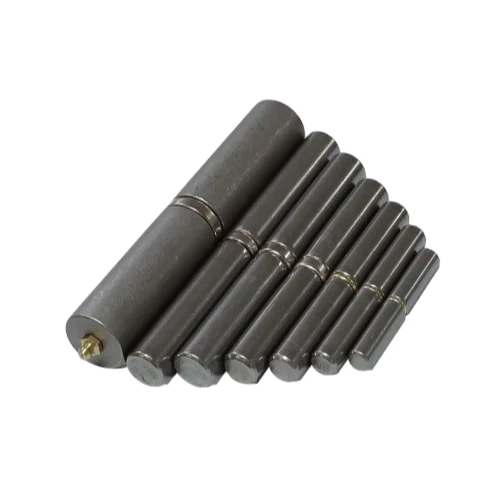

Latest news
-
Heavy Duty Ramp Gate Hinges Guide for Industrial EquipmentNewsApr.16,2026
-
Guide to Selecting the Right Ramp Door Spring Hinge for TrailersNewsApr.09,2026
-
Comprehensive Guide to Livestock Trailer Gate Hinges for Durable PerformanceNewsApr.07,2026
-
Choosing the Right Heavy Duty Hinges for Ramps A Comprehensive GuideNewsApr.04,2026
-
Comprehensive Guide to Choosing the Right Enclosed Trailer Ramp Door Extension HingeNewsMar.31,2026
-
Comprehensive Guide to Bi Fold Trailer Gate Hinges for Optimal PerformanceNewsMar.28,2026
-
Comprehensive Guide to Durable Aluminum Trailer Ramp Hinges for Optimal PerformanceNewsMar.26,2026