




Understanding Outside Door Hinges: The Key to Reliable Entryways Worldwide
Outside door hinges might seem like small, humble components in the grand scheme of construction or industry. Yet, they play an indispensable role in global infrastructure, ensuring doors swing smoothly, securely, and safely — no matter the setting. From urban high-rises to remote shelters, outside door hinges are a quiet backbone to access and security, holding weight, withstanding weather, and resisting wear. Grasping the nuances of these mechanical pieces unlocks benefits in durability, cost-efficiency, and design flexibility that ripple far beyond the door frame.
Global Context: Why Outside Door Hinges Matter
Globally, the construction and renovation sector accounts for over 13% of total GDP and a significant portion of material consumption (source: World Bank 2022). Doors are a fundamental part of this sector, and their hardware, particularly outside door hinges, must meet rising demands for security, sustainability, and adaptability. Whether in dense cities facing burglary challenges or exposed rural areas confronting harsh climates, hinges must deliver under pressure.
Moreover, outside door hinges are critical in humanitarian and industrial contexts. Post-disaster housing requires fast-installation and durable components. Industrial zones demand corrosion-resistant hinges to endure chemicals or extreme temperatures. This complexity has pushed innovation and detailed product specifications — a challenge to manufacturers and designers worldwide.
What Are Outside Door Hinges?
Simply put, outside door hinges are the pivot points affixed to the exterior side of door frames, allowing the door to swing open or closed. These hinges commonly vary in design — butt hinges, strap hinges, continuous hinges — but they all share the role of connecting the door to its frame securely while providing smooth movement.
In modern industry, outside door hinges tie directly into broader needs for security, durability, and accessibility. They are manufactured using metals like stainless steel, brass, or aluminum alloys, tailored not only for strength but also for resistance to rust and environmental wear. They also fulfill humanitarian requirements where temporary, easy-to-maintain, or modular structures depend on hinges that can be quickly installed and last.
Core Characteristics of Outside Door Hinges
1. Durability
Their exposure to weather—rain, sun, snow—means that outside door hinges must resist corrosion and mechanical fatigue. Materials such as stainless steel or specially coated metals improve lifespan dramatically.
2. Security
Since exterior doors protect premises, hinges often include security features like non-removable pins or reinforced knuckles to prevent tampering.
3. Size and Load Capacity
Hinges must match the door’s weight and size, ranging from light residential doors to heavy industrial or fire-rated doors. Getting this wrong can cause sagging or failures.
4. Ease of Installation & Maintenance
Fastening methods (screws, weld-in models) and design influence how quickly installers can mount them and maintain them long-term, quite critical for large-scale or remote projects.
5. Aesthetic & Finish
Though often overlooked, the finish and style matter for commercial, residential, and architectural harmony. From polished brass to matte black powder coating, choices reflect function and form.
| Specification | Typical Range | Notes |
|---|---|---|
| Material | Stainless steel, Brass, Aluminum Alloy | Stainless steel best for corrosion resistance |
| Finish Options | Powder coating, Polished, Matte | Depends on aesthetics and environment |
| Load Capacity | Up to 200 kg+ | Heavy-duty hinges for industrial doors |
| Weather Resistance | IP65 or higher for sealing | Critical for outdoor exposure |
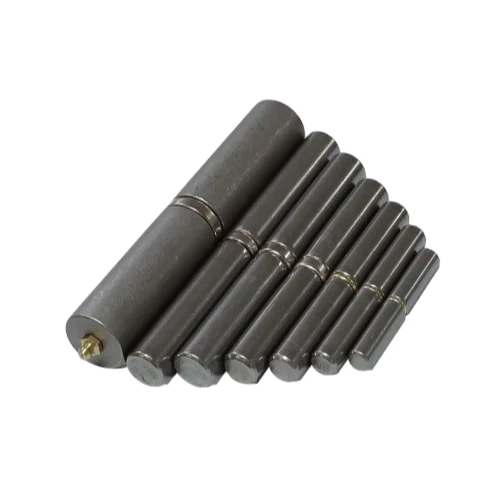
| Installation Type | Screw-on, weld-in, removable pin | Varies by door/frame design |
Mini Takeaway: Outside door hinges are not merely metal parts; they combine resilience, security, and ease of use — each aspect crucial for their role in countless doorways worldwide.
Global Applications & Use Cases
It’s fascinating how outside door hinges serve across diverse industries and geographies. In temperate climates like Europe or North America, corrosion-resistant hinges extend decades of service in residential and commercial buildings. In Southeast Asia’s humid zones, powder-coated hinges deter rust on outside doors facing heavy rainfall.
In humanitarian aid, organizations rely on hinges for quick-assemble shelters or container housing that can endure transport shakes and variable climate conditions. Some NGO reports describe how modular housing hinges helped rebuild after earthquakes in Nepal (source: UN OCHA).
Heavy industries also depend on specialized hinges. Oil rigs, chemical plants, and cold storage facilities use heavy-duty versions that resist extreme temperatures and chemical corrosion. The hinges there literally keep doors tight, safety compliant, and operational.
Industrial architects and engineers frequently source these components from specialist vendors. For anyone curious about market options, here’s a quick vendor comparison:
| Vendor | Material Options | Lead Time | Custom Solutions | Price Range |
|---|---|---|---|---|
| Aobang Metal | Stainless steel, Aluminum | 2-4 weeks | Bespoke sizing/finish | Mid-range |
| GlobalHinge Co. | Brass, Stainless steel | 4-6 weeks | Standard models only | Premium |
| EcoDoor Hardware | Recycled metals | 3-5 weeks | Limited customization | Variable |
Oddly enough, many engineers I talked to gave high marks to vendors like Aobang Metal for balancing quality, cost, and timely delivery, a crucial trifecta in large-scale projects.
Advantages & Long-Term Value of Outside Door Hinges
Choosing the right outside door hinges isn’t just about getting doors to open and close. It’s an investment in safety—ensuring doors won’t give way to forced entry or fail when needed most. There's also dignity: secure entrances protect privacy and belongings. From a financial view, durable hinges reduce replacement cycles, which saves costs and environmental impact in the long run.
Emotionally, reliable hardware instills trust in building occupants or shelter residents. Logically, maintenance-friendly designs reduce downtime and labor costs. Considering sustainability, vendors are increasingly offering recyclable materials and low-impact finishes, aligning with global carbon reduction goals (ISO 14001 guidance).
Peeking into the Future: Trends in Outside Door Hinges
Looking ahead, the world of outside door hinges is quietly innovating. There’s momentum toward smart hinges incorporating sensors to monitor door position and forced entry attempts as part of smart building systems. Materials science is exploring composites and nanocoatings that resist dirt, bacteria, and corrosion even better than metals.
Additionally, sustainability drives push for using recycled metals and reducing hazardous coatings. Automation and robotics in installation may also help reduce errors and improve quality consistency. Oddly, the small hinge is turning into a bit of a high-tech marvel, even if it’s not the flashy headline.
Challenges & Solutions in Using Outside Door Hinges
Common challenges include corrosion in extreme environments, insufficient weight ratings causing door sag, and installation difficulties in remote areas. Solutions come from advanced metallurgical treatments, careful load calculations, and modular hinges designed for easy shipping and assembly.
Experts encourage early collaboration between architects, contractors, and hinge vendors to match hinge choices precisely to door specs and use cases. Regular maintenance programs also extend life and performance. It’s a blend of good material science and practical foresight — a marriage of theory and on-the-ground realities.
FAQ: Frequently Asked Questions about Outside Door Hinges
- What materials are best for outside door hinges exposed to salty air?
Stainless steel with marine-grade treatments or specialized coatings offer the best protection against salt corrosion common in coastal environments. - Can outside door hinges be customized for non-standard door sizes?
Yes. Many manufacturers provide custom sizing and finishes to accommodate unique architectural requirements or restoration projects. - How do I maintain outside door hinges to ensure longevity?
Regular cleaning and lubrication (depending on hinge type), checking screws for tightness, and protecting finishes with appropriate sealants help maintain performance. - Are there environmentally friendly options for outside door hinges?
Increasingly yes. Vendors offer recycled metal components and low-VOC, non-toxic finishes aligning with green building standards like LEED. - Where can I source reliable outside door hinges for industrial projects?
Specialized suppliers such as Aobang Metal provide tailored solutions with shorter lead times and technical support for heavy-duty applications.
Conclusion: Why Outside Door Hinges Matter Now & Beyond
So, outside door hinges might not grab headlines but they quietly support security, safety, and style — all vital in our global infrastructure, from homes to industries to humanitarian shelters. Their blend of technology, durability, and thoughtful design delivers long-term value that pays dividends in reliability and peace of mind.
If you’re considering your next project or upgrading an existing facility, don’t overlook the humble hinge. Explore options and technical support providers like Aobang Metal to find the right fit that lasts for decades, no matter the environment.
It’s a small part with a big role — quite literally holding the world’s doors open or shut as needed.
References:
-
Heavy Duty Ramp Gate Hinges Guide for Industrial EquipmentNewsApr.16,2026
-
Guide to Selecting the Right Ramp Door Spring Hinge for TrailersNewsApr.09,2026
-
Comprehensive Guide to Livestock Trailer Gate Hinges for Durable PerformanceNewsApr.07,2026
-
Choosing the Right Heavy Duty Hinges for Ramps A Comprehensive GuideNewsApr.04,2026
-
Comprehensive Guide to Choosing the Right Enclosed Trailer Ramp Door Extension HingeNewsMar.31,2026
-
Comprehensive Guide to Bi Fold Trailer Gate Hinges for Optimal PerformanceNewsMar.28,2026
-
Comprehensive Guide to Durable Aluminum Trailer Ramp Hinges for Optimal PerformanceNewsMar.26,2026