




The Unsung Hero of Secure & Durable Gates: Stainless Steel Gate Hinges
When we talk about gates—whether on a residential fence, a sprawling industrial complex, or a humanitarian relief camp—one component quietly carries an outsized importance: the hinges. Specifically, stainless steel gate hinges. Now, you might wonder, “Why focus so much on the hinges? Aren’t they just... hinges?” Well, they're far more than that.
Globally, thousands of gates secure properties, livestock, critical infrastructure, or community areas. These hinges need to withstand weather, heavy use, and sometimes hostile environments. Stainless steel hinges, thanks to their corrosion resistance and strength, solve these challenges elegantly. Understanding why they matter helps industries, builders, and even emergency responders choose long-lasting, reliable solutions that are cost-effective in the long run.
Why Stainless Steel Gate Hinges Matter in a Global Context
According to the International Organization for Standardization (ISO), stainless steel’s corrosion resistance is vital for infrastructure longevity. Globally, around 300 million tons of stainless steel are produced annually, a figure that's grown annually by about 5%. In industries from oil and gas to agriculture, the durability of gate hinges directly affects safety and maintenance costs.
For instance, regions with high humidity or salty air — think coastal areas or tropical zones — face accelerated metal degradation. A standard steel hinge might rust quickly, causing gate failures. Stainless steel hinges not only last longer but reduce replacement frequency, cuts costs, and improves safety.
One specific challenge stainless steel gate hinges address is infrastructure resilience in disaster-prone or harsh environments. For example, after floods or hurricanes, recovery teams often struggle with makeshift repairs. Hinges that corrode or break quickly add to the chaos.
What Exactly Are Stainless Steel Gate Hinges?
Simply put, stainless steel gate hinges are mechanical components crafted from stainless steel alloy, designed to allow gates to pivot smoothly while withstanding environmental wear and tear. Unlike plain carbon steel hinges, these incorporate chromium, which forms a thin protective oxide layer, preventing rust and corrosion.
They intersect the worlds of manufacturing, construction, infrastructure, and even humanitarian aid. From industrial complexes to community fences, they’re part of what keeps structures secure and functional.
Key Factors to Consider When Choosing Stainless Steel Gate Hinges
1. Durability & Corrosion Resistance
Stainless steel’s corrosion resistance is the star feature — providing maintenance-free performance for years. It’s crucial for outdoor applications, especially where rain, seawater, or chemicals are a constant risk. Many engineers note that properly grade-matched hinges can last decades without visible wear.
2. Load Capacity & Strength
Gate hinges must support the entire weight of the gate repeatedly opening and closing. Stainless steel alloys offer impressive tensile strength, which means they won’t bend or break under pressure. This is especially critical for larger gates or heavy industrial doors.
3. Design & Compatibility
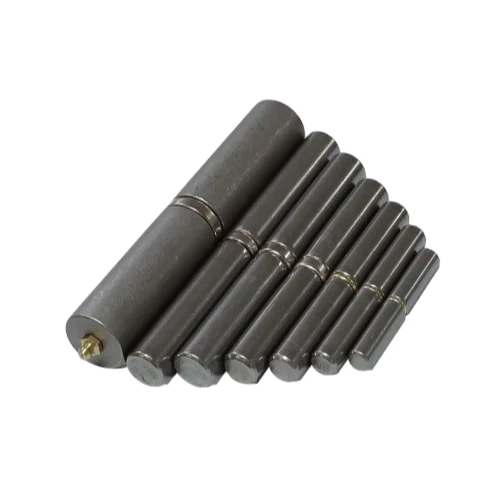
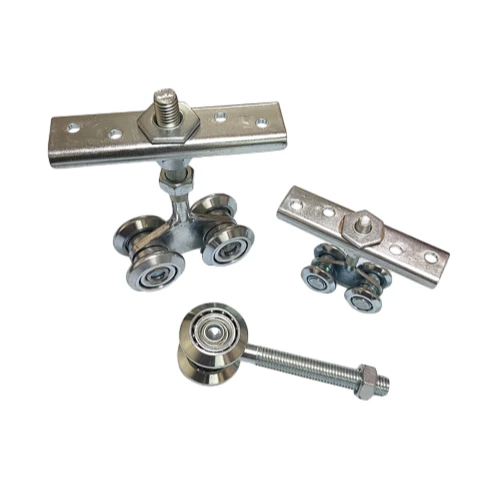
Different gate designs require varying hinge styles — whether butt hinges, strap hinges, or ball bearing hinges. Stainless steel versions ensure a smooth operation that won’t seize up or wear prematurely.
4. Cost Efficiency Over Time
While stainless steel hinges often cost more upfront, they’re cost-effective long term. Reduced replacements, less maintenance, and fewer gate failures translate to savings over a product’s lifetime.
5. Ease of Installation
Some stainless steel hinges come with pre-drilled holes or adjustable fittings, simplifying the fitting process and allowing for on-site modifications.
6. Environmental Impact
Since stainless steel is recyclable, choosing these hinges can reduce environmental footprint compared to plastic or low-grade steel alternatives.
Mini Takeaway: When specifying hinges, balance upfront cost with durability, strength, and environmental benefits — stainless steel often wins in the long run.
Global Applications Where Stainless Steel Gate Hinges Shine
These hinges appear everywhere:
- Industrial zones: Chemical plants and factories expose gates to corrosive chemicals or fumes — stainless steel resists degradation here.
- Coastal communities: Salt air is notoriously brutal on metals. Coastal infrastructure benefits from these corrosion-proof hinges.
- Humanitarian efforts: In disaster relief camps across Southeast Asia or Sub-Saharan Africa, durable gate hinges secure temporary shelters and fenced areas, withstanding monsoon rains.
- Agriculture: Farms require rugged gates that hold against weather and animal pressure.
- Residential and Commercial: Homeowners near oceanfronts or harsh winters appreciate stainless steel hinges for low maintenance.
Product Specification Table: Typical Stainless Steel Gate Hinges
| Specification | Typical Range / Details |
|---|---|
| Material Grade | 304, 316 Marine Grade Stainless Steel |
| Finish | Brushed, Polished, or Matte |
| Max Load Capacity | Up to 200 kg per hinge |
| Typical Sizes | 3 inch to 8 inch variants |
| IP Rating | Not applicable but corrosion resistant to IP67 environments |
| Lifespan | 15+ years typical outdoor use |
Comparing Top Vendors of Stainless Steel Gate Hinges
| Vendor | Material Grades Offered | Customization Options | Average Pricing (per set) | Global Shipping |
|---|---|---|---|---|
| Aobang Metal | 304, 316 | Size, finish, hole drilling | $12–$25 | Yes |
| GateMaster Inc. | 304 only | Standard sizes | $15–$20 | Limited |
| Global Hinge Ltd. | 316 Marine | High customization | $22–$30 | Yes |
Advantages and Long-Term Value of Stainless Steel Gate Hinges
Beyond the obvious durability, these hinges offer a bundle of benefits:
- Cost savings in maintenance: Fewer replacements, less upkeep.
- Enhanced safety: Gates that don’t jam or break prevent accidents.
- Environmental benefits: Reduced waste and recyclable materials.
- Trust and satisfaction: End users notice quality, building reputation.
- Innovation-friendly: Compatible with automation and smart gate systems.
It’s a blend of logic and feeling, frankly. Knowing your gate will stand firm feels reassuring, especially in sensitive areas.
Future Trends in Stainless Steel Gate Hinges
Tech is pushing the envelope even here:
- Smart hinges: Embedded sensors to monitor wear and notify owners of maintenance needs.
- Eco-friendly manufacturing: Using recycled steel and greener processing.
- Coatings & hybrid materials: Combining stainless steel with nano-coatings to further repel dirt and corrosion.
- Automation integration: Hinges optimized for motorized gate systems.
Common Challenges and Expert Solutions
Like any product, stainless steel gate hinges aren’t perfect. Some common issues include:
- Higher initial cost: The upfront price can deter some buyers; however, lifecycle cost analysis usually favors stainless steel.
- Improper installation: Poor fitting can compromise durability; professionals recommend following precise specs.
- Wear of non-metal components: Sometimes pins or washers wear faster; upgrades to ceramic or polymer inserts help.
Experts stress selecting the right grade of stainless steel for the environment and suggest considering pre-assembled kits from reputable vendors to mitigate issues.
Frequently Asked Questions about Stainless Steel Gate Hinges
- Q1: What grade of stainless steel is best for outdoor gate hinges?
- A1: Grade 316 stainless steel is often preferred for outdoor hinges, especially near marine or corrosive environments, due to its enhanced corrosion resistance over the more common 304 grade.
- Q2: Can stainless steel gate hinges support heavy industrial gates?
- A2: Yes, many stainless steel hinges are rated for high load capacities (up to 200 kg or more per hinge). Ensure you select appropriately sized hinges and pair them with strong gate frames.
- Q3: How long do stainless steel hinges typically last?
- A3: With proper installation, they can last 15 years or more outdoors without significant maintenance, depending on the environment.
- Q4: Are there maintenance tips to extend hinge life?
- A4: Regular cleaning to remove debris, occasional lubrication with corrosion-resistant grease, and inspecting for wear will greatly extend hinge life.
- Q5: Where can I purchase customized stainless steel hinges?
- A5: Vendors like Aobang Metal offer customizable options including size, finish, and hole placement, and provide international shipping.
Wrapping It Up — Why Stainless Steel Gate Hinges Are Worth the Investment
Stainless steel gate hinges represent a quiet but critical component in infrastructure worldwide. Their long-lasting, corrosion-resistant qualities offer practical and emotional peace of mind. Whether it’s a seaside property, a humanitarian camp, or a large factory fence, these hinges make daily security seamless.
For anyone specifying or maintaining gates, don’t overlook the power of picking the right hinge. There’s simply no easier upgrade that pays off for decades.
Ready to explore top-grade stainless steel gate hinges? Visit our site for detailed options and expert guidance.
Mini Takeaway: Invest smartly in stainless steel hinges today to save headaches and costs tomorrow — it just makes sense.
References:
-
Heavy Duty Ramp Gate Hinges Guide for Industrial EquipmentNewsApr.16,2026
-
Guide to Selecting the Right Ramp Door Spring Hinge for TrailersNewsApr.09,2026
-
Comprehensive Guide to Livestock Trailer Gate Hinges for Durable PerformanceNewsApr.07,2026
-
Choosing the Right Heavy Duty Hinges for Ramps A Comprehensive GuideNewsApr.04,2026
-
Comprehensive Guide to Choosing the Right Enclosed Trailer Ramp Door Extension HingeNewsMar.31,2026
-
Comprehensive Guide to Bi Fold Trailer Gate Hinges for Optimal PerformanceNewsMar.28,2026
-
Comprehensive Guide to Durable Aluminum Trailer Ramp Hinges for Optimal PerformanceNewsMar.26,2026