




Ball Bearing Door Hinges: Why They Matter More Than You Think
At first glance, the humble door hinge might not seem like a world-changing invention. But when you drill down to ball bearing door hinges, you find a tiny marvel that quietly supports buildings, machines, and even humanitarian efforts worldwide. They matter because door hinges are at the literal pivot points of access, safety, and durability everywhere from factories to field hospitals. Understanding how ball bearing door hinges work—and why they’ve become the go-to choice globally—can unlock smarter design decisions and longer-lasting infrastructures.
Global Context: The Quiet Backbone of Everyday Infrastructure
Doors appear mundane, but the World Bank estimates that over 4 billion people live in buildings where reliable hardware is crucial for safety and comfort. From ISO-certified industrial plants in Germany to UN-funded housing in disaster zones, ball bearing door hinges are everywhere ensuring doors open smoothly for decades without squeaks, sagging, or failure. Particularly in regions with high humidity or heavy use, ordinary hinges rust or wear too fast — creating risks and costly replacements.
That’s why the global hinge sector, expected to grow roughly 5% annually, is leaning toward ball bearing models as the standard-bearer of durability and performance (ISO). So it’s not just a hardware upgrade; it’s a response to real-world needs for security, comfort, and cost efficiency.
Mini Takeaway:
- Ball bearing hinges are a global staple, connecting safety, reliability, and lasting value in buildings.
- Growing demand shows how critical quality hardware is in modern infrastructure worldwide.
What Exactly Are Ball Bearing Door Hinges?
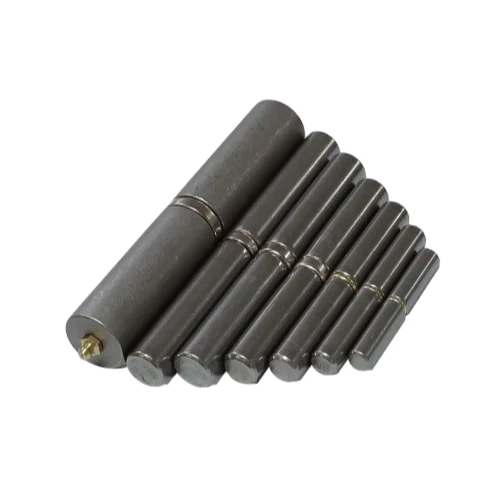
Simply put, a ball bearing door hinge is a hinge equipped with small steel balls positioned between the hinge's knuckles. This allows the door to swing open and close with significantly less friction than plain hinges. Imagine the difference between sliding your finger over rough sandpaper versus a polished surface — that’s sort of the jump in smoothness you get.
They originated in industrial applications where repeated heavy use demands both quiet operation and minimal wear. Today, they're standard in commercial buildings, hospitals, schools, and even in homes that prioritize longevity and low maintenance. And oddly enough, in humanitarian and emergency shelters, ball bearing hinges help deliver not just doors but dignity and safety.
Mini Takeaway:
- Ball bearings reduce friction between moving parts—making hinges last longer and work better.
- They suit industries and projects where reliability and smooth operation are non-negotiable.
Core Components & Key Factors of Ball Bearing Door Hinges
Durability
Unlike traditional hinges, the small steel balls inside these hinges distribute load more evenly. This means hinges resist sagging over years of constant use, especially in high-traffic areas. Industrial engineers cite this “even wear” as critical for doors that open thousands of times a day.
Noise Reduction
If you’ve ever dealt with a creaky door, you’ll appreciate how ball bearing hinges are designed for whisper-quiet operation. The bearings reduce metal-on-metal contact, which suppresses that high-pitched screech that sometimes drives you nuts.
Corrosion Resistance
These hinges often come with stainless steel or brass bearings and corrosion-resistant finishes. So in coastal or humid environments, like hospitals near the sea or factories in tropical zones, they hold up where cheaper hinges corrode quickly.
Load Capacity
Ball bearing door hinges can support heavier doors—steel fire doors or reinforced security doors—without warping or failing. Many manufacturers rate these hinges for door weights exceeding 150 kg (330 lbs), which is roughly double what standard hinges handle.
Maintenance Ease
Low-friction design means minimal lubrication is required—and when combined with durable materials, these hinges drastically cut down on maintenance cycles. This translates to lower lifetime costs, which building managers appreciate deeply.
Where Are Ball Bearing Door Hinges Used Globally?
From Vancouver high-rises to refugee camps in Jordan, from school buildings in Scandinavia to warehouses in Singapore — high-quality ball bearing hinges are a quiet staple. Here are a few notable examples:
- Emergency relief shelters: NGOs invest in ball bearing hinges because rapid set-up and repeated use demand hardware that won’t fail halfway through relief operations.
- Industrial zones: Factories with automated doors rely on ball bearing hinges to handle heavy duty cycles and minimize downtime.
- Healthcare facilities: Hospitals worldwide require noiseless, sanitary-friendly hinges to avoid disruptions in sensitive environments.
- Public infrastructures: Airports, schools, and government buildings all preferball bearing hinges for safety and longevity.
Mini Takeaway:
- Ball bearing hinges are everywhere that door reliability and safety can’t be compromised.
- They meet a diverse set of demands — heavy use, harsh environments, and social impact needs.
The Tangible Benefits of Choosing Ball Bearing Door Hinges
Anyone who’s ever re-hung a sagging door knows how frustrating it gets. But more than ease of use, these hinges bring:
- Cost savings over time: Longer lifespan means fewer replacements—big win for budgets.
- Increased safety: Support heavy, often fire-rated doors that protect lives.
- Eco-friendliness: Superior durability reduces waste and lowers carbon footprint.
- Enhanced user experience: Smooth closing doors feel premium and inviting.
Technicians swear by their reliability and say they build “trust” into every installation — the kind of confidence that’s hard to quantify but vital in commercial and humanitarian contexts alike.
Future Trends: What’s Next for Ball Bearing Door Hinges?
Looking ahead, several innovations are stirring things up:
- Smart hinges: Embedded sensors will monitor door health in real-time, alerting maintenance teams before problems arise.
- Eco-conscious materials: Recycled metals and biodegradable finishes are entering the scene.
- Automation-friendly designs: Integration with robotic doors and industrial automation systems is increasing.
These advances mean that ball bearing hinges will transition from passive parts to active contributors in sustainable, smart buildings. Quite a leap for something so small.
Common Challenges & Expert Solutions
It’s not all smooth sailing. Some challenges include:
- Higher initial cost: Ball bearing hinges can cost 2–3 times more than plain hinges upfront.
- Complexity in retrofits: Replacing old hinges requires precision to fit heavier-duty parts.
However, experts suggest that budgeting for quality hardware upfront and training installers greatly reduce these issues. Plus, industry standards and certifications ensure buyers get genuine products, avoiding cheap knock-offs.
Product Specifications Comparison
| Specification | Standard Ball Bearing Hinge | Heavy Duty Industrial Model | Corrosion-Resistant Marine Grade |
|---|---|---|---|
| Material | Steel with zinc plating | Hardened steel, stainless bearings | 316 Stainless Steel |
| Max Door Weight | 110 kg (240 lbs) | 200 kg (440 lbs) | 130 kg (286 lbs) |
| Finish | Zinc plated, silver | Powder coat, black | Brushed metal |
| Bearing Type | Steel ball bearing | Double row steel ball bearing | Corrosion-resistant ceramic ball bearing |
| Usage | Residential & light commercial | Industrial, heavy doors | Coastal, marine applications |
Vendor Comparison: Choosing the Right Supplier
| Vendor | Product Range | Customization | Price Range | Warranty |
|---|---|---|---|---|
| Aobang Metal | ball bearing door hinges, heavy duty types | Yes, sizes & finishes | Mid-range | 5 years |
| Global Hinges Co. | Standard & Architectural | Limited | Low-end | 2 years |
| MarineTech Hardware | Marine-grade ball bearing hinges | Yes, corrosion finishes | Premium | 7 years |
FAQ: Your Common Questions About Ball Bearing Door Hinges
What makes ball bearing door hinges better than regular hinges?
Ball bearing door hinges have steel balls inside the hinge knuckles, reducing friction and wear. This makes doors swing smoothly, last longer, and stay quieter. They’re especially suitable for heavy or high-traffic doors where durability matters.
Can ball bearing hinges be used outdoors?
Absolutely. Many ball bearing hinges come with corrosion-resistant materials like stainless steel or special coatings that make them ideal for outdoor use, even in harsh marine or tropical climates.
Are ball bearing hinges more expensive?
Yes, the upfront cost is higher than standard hinges. But the increased lifespan, reduced maintenance, and better performance often save money in the long run.
How do I know if I need ball bearing hinges for my project?
If the doors are heavy, see frequent use, or require quiet operation, ball bearing door hinges are a smart choice. For critical facilities like hospitals, schools, or commercial buildings, they’re often standard.
Can ball bearing hinges be customized?
Many manufacturers—including Aobang Metal—offer custom sizes, finishes, and load ratings to suit specific project needs.
Conclusion: Investing in Quality for Long-Term Reliability
At its core, investing in ball bearing door hinges isn’t just about smoother doors—it’s about embracing durability, safety, and smart maintenance. Whether you’re operating a bustling hospital wing or a remote relief camp, these hinges quietly do their job, day in and day out.
If you’re considering upgrading or specifying hinges for your next project, visit Aobang Metal for reliable products, expertise, and customizable options. Because sometimes, it’s the little things that keep the world turning.
References
-
Heavy Duty Ramp Gate Hinges Guide for Industrial EquipmentNewsApr.16,2026
-
Guide to Selecting the Right Ramp Door Spring Hinge for TrailersNewsApr.09,2026
-
Comprehensive Guide to Livestock Trailer Gate Hinges for Durable PerformanceNewsApr.07,2026
-
Choosing the Right Heavy Duty Hinges for Ramps A Comprehensive GuideNewsApr.04,2026
-
Comprehensive Guide to Choosing the Right Enclosed Trailer Ramp Door Extension HingeNewsMar.31,2026
-
Comprehensive Guide to Bi Fold Trailer Gate Hinges for Optimal PerformanceNewsMar.28,2026
-
Comprehensive Guide to Durable Aluminum Trailer Ramp Hinges for Optimal PerformanceNewsMar.26,2026