




Understanding Stainless Hinges: Small Components, Big Impact
Stainless hinges—seemingly simple, yet incredibly vital—play a surprisingly global role in everything from industrial machinery to everyday doors. These small mechanical devices enable the smooth movement and support of countless objects, often under harsh, corrosive, or high-stress environments. Understanding their significance might seem niche, but in fields as far-reaching as construction, shipping, medical devices, and humanitarian infrastructure, stainless hinges are a subtle cornerstone of safety, durability, and sustainability.
On a global scale, these hinges help industries embrace longevity and reliability, cutting down waste and maintenance costs. In humanitarian efforts or industrial applications, they ensure structures remain secure and functional, even under challenging conditions. So while the hinge itself may be tiny, its influence is anything but.
The Global Context: Why Stainless Hinges Matter Now More Than Ever
With the world’s infrastructure evolving rapidly—think expanding urban areas, increased automation, and climate resilience planning—component durability is paramount. According to the International Organization for Standardization (ISO), corrosion and material degradation cause billions in losses annually, roughly 3–4% of GDP in some developed countries. Stainless hinges combat this by offering unparalleled resistance to rust and wear.
Besides economic loss mitigation, stainless hinges also contribute to safety standards worldwide, as outlined in numerous building codes. They address challenges like harsh weather exposure, chemical corrosion in factories, and heavy-duty mechanical stress found in transportation. Think about ports in Singapore or shipyards in Rotterdam—components like stainless hinges have to endure saltwater spray and heavy use for years on end.
Still, the question remains: how do these little devices meet such demanding expectations, and how have they morphed to fit a globalized, sustainability-focused industry?
What Exactly Are Stainless Hinges?
In simple terms, stainless hinges are pivoting mechanical components made primarily from stainless steel alloys designed to resist corrosion while providing dependable movement. They join two objects (usually doors, lids, panels) and enable rotation around a fixed axis. The use of stainless steel rather than regular steel or brass ensures these hinges can be deployed in wet, harsh, or high-load environments without degrading quickly.
The modern industry leans on these hinges as a basic yet essential element for robust equipment, vehicles, and architectural structures. For humanitarian purposes—for example, in quickly assembled shelters or medical equipment—they guarantee safety and ease of use, even in remote or disaster-prone regions. Such reliability isn’t just a bonus; it’s often critical for life-saving applications.
Core Components That Define Stainless Hinges
Durability
Durability is the hallmark of stainless hinges. By utilizing corrosion-resistant alloys—like grades 304 or 316 stainless steel—they maintain structural integrity across vast temperature ranges and environmental exposures. Many engineers point out that in corrosive industrial zones, these hinges can last upwards of a decade without maintenance.
Load Capacity
Depending on the design and size, stainless hinges can support from a few kilograms (e.g., cabinet doors) to hundreds of kilograms (e.g., industrial equipment hatches). Proper load matching ensures smooth operation and safety, especially when opening large panels repeatedly.
Ease of Installation & Maintenance
Stainless hinges come in standardized sizes, simplifying replacement and installation. Moreover, their resistance to rust means less lubrication and fewer repairs, a boon for hard-to-access locations.
Cost Efficiency
While slightly more expensive upfront than plain steel, stainless hinges save money long-term. Reduced corrosion means less downtime and fewer replacements. For organizations with extensive footprints—think warehouse chains or ship operators—the savings accumulate quickly.
Customization & Versatility
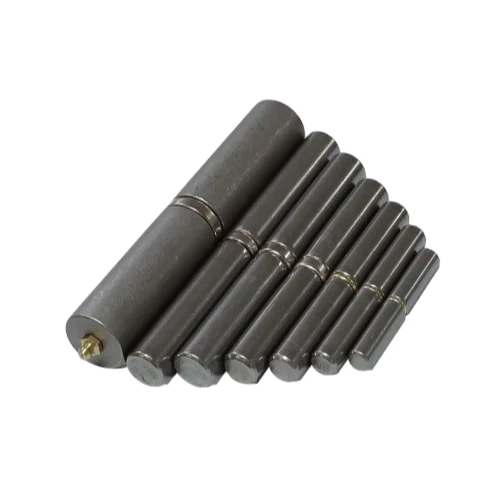
From concealed hinges in sleek architectural doors to heavy-duty butt hinges in shipping containers, stainless hinges cover a broad spectrum of applications. Manufacturers often customize finishes, sizes, and pin types to suit unique requirements.
Environmental Resistance
These hinges remain functional in salty, humid, or even chemical-laden atmospheres thanks to their composition. This makes them invaluable in marine, food processing, and medical sectors.
Mini Takeaway: Stainless hinges may seem trivial, but their design intricacies reflect a delicate balance between strength, corrosion resistance, and user convenience — all while keeping costs palatable.
Where are Stainless Hinges Making a Difference?
Their uses span industries and continents:
- Maritime & Offshore: Saltwater exposure means only stainless hinges keep cabin doors and hatches from seizing up or corroding prematurely, seen in ports in Asia and Europe alike.
- Healthcare: Doors and equipment in hospitals demand hygienic, rust-resistant hinges to reduce contamination risks.
- Industrial Manufacturing: Heavy machinery safeguarding requires hinges tolerant of chemicals and vibrations.
- Transport & Logistics: Shipping containers and truck doors rely on durable hinges to handle rough handling and weather.
- Humanitarian Aid: Quick-assembly shelters and modular medical units deployed in disaster zones or remote zones benefit from hinges that endure frequent assembly and harsh conditions.
For example, during recent earthquake relief efforts in Nepal, modular housing units using stainless hinges provided not only quick setup but lasting durability in challenging terrain and weather. That’s the sort of practical use case that underscores their global significance.
Advantages of Stainless Hinges: Why Choose Them?
- Longevity & Reduced Maintenance: Less frequent replacement, fewer repairs.
- Safety & Security: Corrosion-free hinges avert failures that could cause injury or property damage.
- Sustainability Impact: Their long life means less waste and lower environmental footprint.
- Economic Sense: Over time, reduced downtime and damage lead to better cost control.
- Trust & Reliability: Users gain confidence in doors and equipment working smoothly day after day.
It’s worth noting the almost emotional reassurance stainless hinges bring in critical infrastructure—from hospital doors that must open swiftly, to industrial safety enclosures—where failure simply can’t be an option.
Emerging Trends and Innovations in Stainless Hinges
Technology marches forward even in hinges.
- Smart Hinges: Integrating sensors to monitor wear or unauthorized tampering, aiding predictive maintenance.
- Advanced Alloys: Experimentation with novel stainless steel compositions aims to boost strength while lowering weight.
- Eco-Friendly Production: Green manufacturing techniques and recycling efforts reduce environmental footprints.
- Customization via 3D Printing: Small batch, rapid prototyping of complex hinge designs tailored for specialized equipment.
Companies are also embracing digital catalogs and AI-assisted design tools, making it easier to find or customize stainless hinges precisely suited to a project. Oddly enough, even such a classic component enjoys its share of the digital transformation wave.
Challenges Around Stainless Hinges—and How to Tackle Them
Despite their advantages, stainless hinges aren’t perfect. For instance:
- Higher Upfront Costs: Initial purchase prices can deter small-scale buyers, though ROI typically justifies.
- Weight Considerations: Stainless steel hinges are heavier than aluminum or plastic alternatives, impacting lightweight designs.
- Specialized Installation: Some applications require expert fitting to maximize hinge lifespan.
Solutions often involve proper education on long-term savings, combined with technological innovations to create lighter alloys and universal mounting systems that speed installation and reduce errors.
Product Specification Table: Common Stainless Hinges at a Glance
| Model | Material Grade | Load Capacity | Corrosion Resistance | Typical Use |
|---|---|---|---|---|
| HingePro 304 | 304 Stainless Steel | Up to 50 kg | Good (General Use) | Cabinets, Light Doors |
| MarineGuard 316 | 316 Stainless Steel | Up to 120 kg | Excellent (Saltwater) | Marine Doors, Outdoor Gates |
| HeavyDuty Plus | 410 Stainless Steel | Up to 200 kg | Moderate (Industrial) | Heavy Equipment, Industrial Panels |
Vendor Comparison Table: Selecting the Best Stainless Hinge Manufacturer
| Vendor | Product Range | Customization Ability | Pricing | Global Shipping |
|---|---|---|---|---|
| Aobang Metal | Extensive (Stainless, Brass, Specialty) | High – Custom Sizes & Finish | Mid-range | Worldwide |
| Global Hinges Inc. | Medium (Mostly Standard Sizes) | Limited | Competitive | Regional (Asia, Europe) |
| SteelFit Solutions | Narrow (Industrial Focus) | Moderate | Higher-end | Global |
Frequently Asked Questions About Stainless Hinges
Q1: What makes stainless hinges better than regular steel hinges?
A1: Stainless hinges outperform regular steel thanks to their corrosion resistance. Stainless steel alloys prevent rust and deterioration, which means they last longer in humid, wet, or chemically harsh environments. This durability lowers maintenance costs and safety risks over time.
Q2: Can stainless hinges handle heavy industrial doors?
A2: Yes, many stainless hinges are rated for heavy loads ranging from 100–200 kg or more, depending on size and design. Heavy-duty models ensure smooth, safe operation even for large machinery access panels or heavy gates.
Q3: Are stainless hinges suitable for outdoor use in marine environments?
A3: Absolutely. Grades like 316 stainless steel are specifically formulated for saltwater resistance, making them ideal for ships, docks, and coastal installations where corrosion is a major concern.
Q4: How easy is it to customize stainless hinges for special projects?
A4: Customization is quite common, especially with vendors like Aobang Metal. Customers can specify sizes, finishes, pin types, and load capacities to suit unique industrial or architectural requirements.
Q5: What should I consider when choosing a stainless hinge supplier?
A5: Factors like quality certifications, product range, ability to customize, pricing, and shipping options matter. Make sure the vendor supports your project's geographic and technical needs.
Wrapping It Up: Why Stainless Hinges Will Always Be Essential
From quiet industrial corners to bustling global aid operations, stainless hinges quietly but reliably hold systems together—literally. Their balance of strength, corrosion resistance, and adaptability makes them a smart choice for durability, safety, and efficiency. When you buy a good stainless hinge, you’re really investing in long-term peace of mind.
If you’re ready to explore reliable stainless hinges tailored for your needs, why not start today? Visit Aobang Metal — they offer a robust selection coupled with expert customization.
So next time you open a door, think about the humble hinge that made it possible. There’s more going on there than meets the eye.
References
-
Heavy Duty Ramp Gate Hinges Guide for Industrial EquipmentNewsApr.16,2026
-
Guide to Selecting the Right Ramp Door Spring Hinge for TrailersNewsApr.09,2026
-
Comprehensive Guide to Livestock Trailer Gate Hinges for Durable PerformanceNewsApr.07,2026
-
Choosing the Right Heavy Duty Hinges for Ramps A Comprehensive GuideNewsApr.04,2026
-
Comprehensive Guide to Choosing the Right Enclosed Trailer Ramp Door Extension HingeNewsMar.31,2026
-
Comprehensive Guide to Bi Fold Trailer Gate Hinges for Optimal PerformanceNewsMar.28,2026
-
Comprehensive Guide to Durable Aluminum Trailer Ramp Hinges for Optimal PerformanceNewsMar.26,2026