




What to Know About a Modern pulley tracker for Sliding Doors
In the last two years, door hardware has quietly gone high-tech. Bearings got better, polymers got tougher, and installers—who are notoriously skeptical—now ask for dual-bearing rollers by name. I’ve been touring factories and job sites, and one product that keeps popping up is the Double Bearing Pulley Type Sliding Door Track Pulley from AOBANG Metal (Origin: RM.1012 Zhongyuan Building, No. 368 Youyi North Str., Shijiazhuang, China). To be honest, it’s a simple component, but it makes or breaks how a door feels.
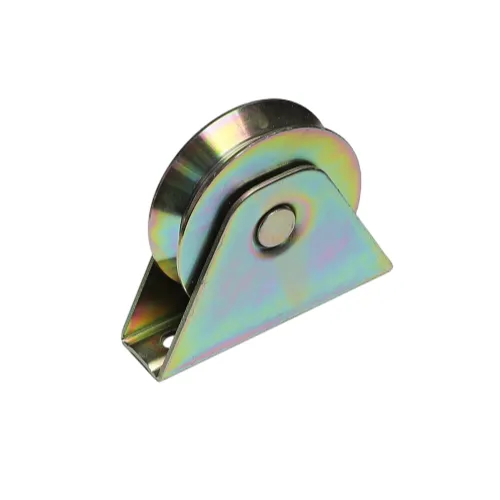
Industry Trends (and why they matter)
The big shift: double-sealed bearings and low-noise polymers replacing older zinc wheels. Architects want silent close; facility managers want fewer callbacks. A dual-bearing assembly spreads load, cuts friction, and—this is key—stays smoother after dust, humidity, and daily abuse. Many customers say they didn’t realize how “draggy” their old rollers were until swapping to a pulley tracker like this.
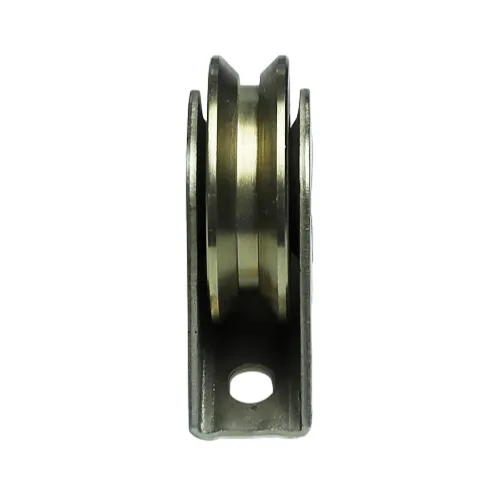
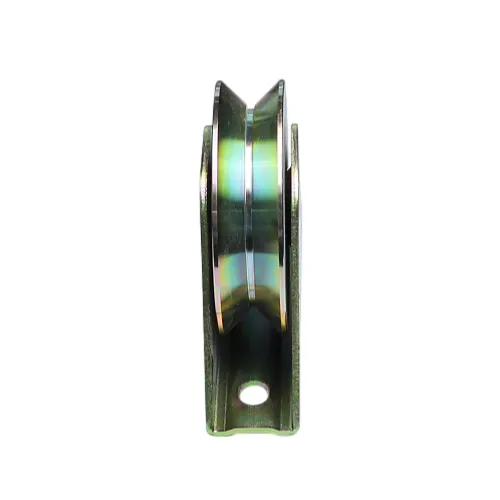
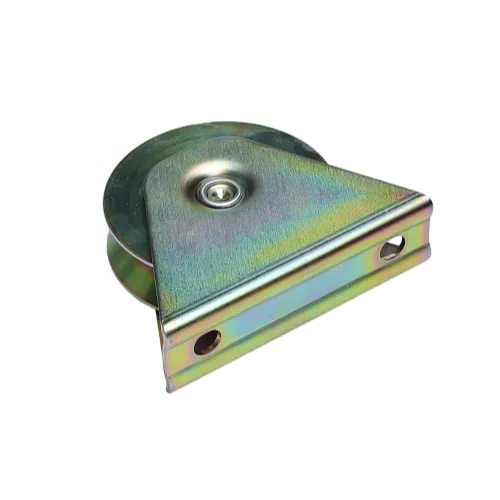
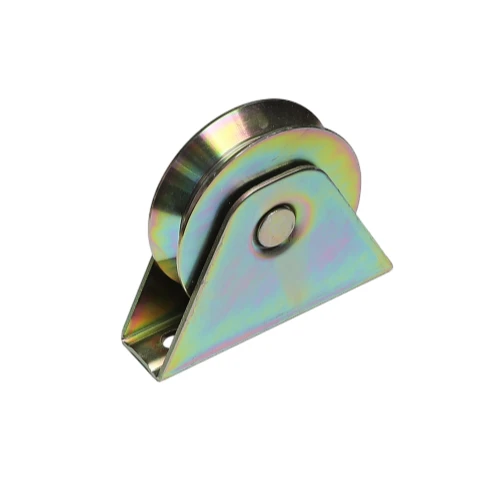
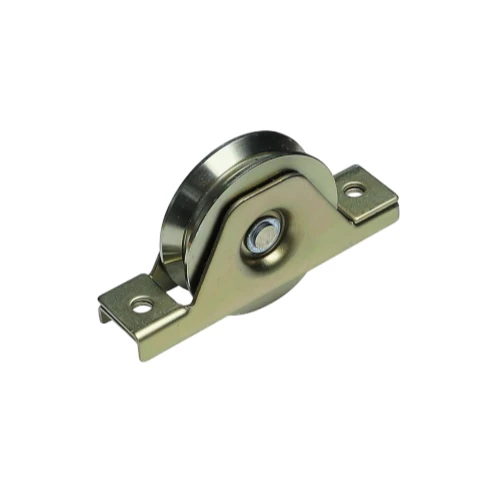
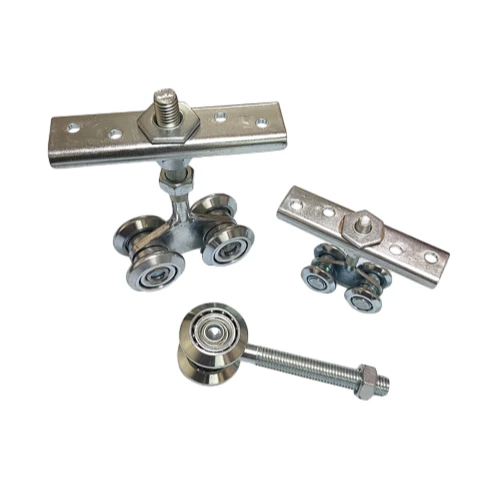
Product Snapshot: Double Bearing Pulley Type Sliding Door Track Pulley
| Parameter | Spec (≈ real-world use may vary) |
|---|---|
| Housing | Galvanized steel, anti-corrosion coating |
| Wheel | POM/nylon blend for low noise and wear |
| Bearings | Dual 6200-series, ZZ shielded, greased (NLGI #2) |
| Load Rating | ≈ 60–90 kg per roller, depending on track/door |
| Wheel Ø | 30–45 mm options; custom on request |
| Operating Temp | −20°C to +80°C |
| Noise | ≤ 28–32 dB in lab tests (quiet corridor) |
| Service Life | > 100,000 cycles (EN 1527-style testing) |
| Compliance | ISO 9001 system; RoHS/REACH materials; EN 1527 benchmarks |
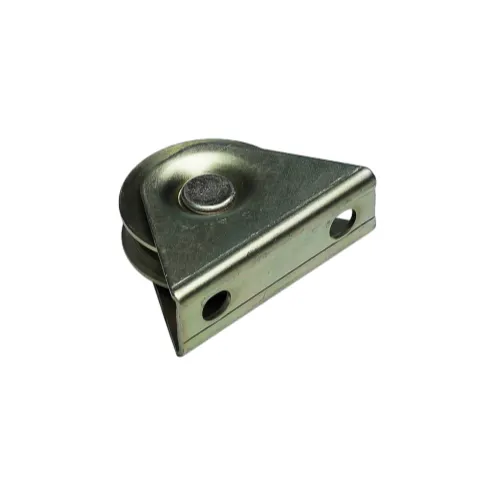
Where it’s used
- Residential closets, balcony and patio sliders
- Hospital partitions and clinic doors (quiet zones)
- Retail fitting rooms, mall storefronts
- Industrial cabinets, lab casework, light cold-room panels
Installers like that a pulley tracker with sealed bearings shrugs off dust and humidity. Surprisingly robust for its size.
Process Flow and Testing (how it’s built)
Materials incoming QC → stamping and CNC machining → injection molding of POM wheel → heat treatment of axle → bearing press-fit and grease fill → assembly torque check → salt-spray validation → endurance cycling → packing with VCI.
Test references: EN 1527 durability cycles, ASTM B117 salt spray (≥ 72–200 h variants), ISO 9227 corrosion protocols; dimensional to ISO 2768-m. Internal noise tests use a corridor rig; field results are typically a touch higher, as you’d expect.
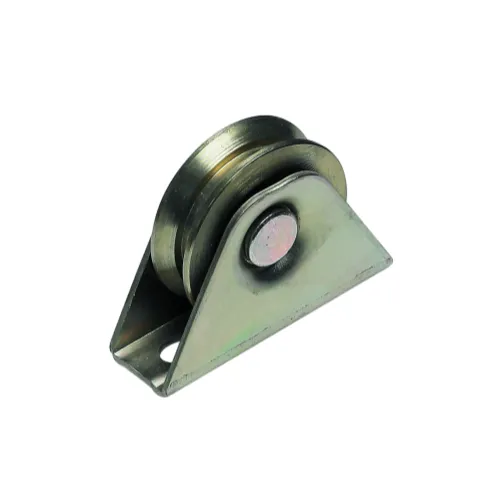
Vendor Comparison (editor’s quick take)
| Vendor | Bearing | Load/roller | Noise | Lead Time | Customization |
|---|---|---|---|---|---|
| AOBANG | Dual 6200 ZZ | ≈ 60–90 kg | Low (28–32 dB lab) | 10–20 days | Wheel Ø, coating, brackets |
| Vendor B (Generic) | Single bearing | ≈ 40–60 kg | Medium | 7–30 days | Limited |
| Vendor C (Premium) | Dual, low-friction seals | ≈ 80–120 kg | Very Low | 20–45 days | Extensive |
Customization & Buying Notes
- Track profile matching (send a sketch—saves headaches)
- Wheel diameter and groove shape for your rail
- Coatings: zinc, electrophoresis, or powder (environment and salt level decide)
- Bearing seals (ZZ vs 2RS) based on dust/washdown exposure
Pro tip: pair any pulley tracker with a clean, de-burred track. Most “bad rollers” I see are actually damaged rails.
Mini Case Studies
Hotel retrofit, 320 rooms: Replaced mixed single-bearing units. Post-swap, maintenance tickets dropped ≈ 68% over six months; guests mentioned “quiet doors” in reviews. Not scientific, but telling.
University lab cabinets: Needed low-outgassing plastics. AOBANG delivered POM with documented RoHS/REACH compliance; glide stayed consistent despite chemical cleaners.
Customer Feedback
Installers say the door “feels lighter.” Facility teams like the predictable wear. One distributor told me, “returns basically stopped.” That’s about as clear as it gets.
Certifications and Documents Available
- ISO 9001:2015 quality management
- RoHS/REACH material compliance statements
- EN 1527-style durability test reports
- ASTM B117/ISO 9227 salt-spray data sheets
References:
- ISO 9001:2015 Quality Management Systems — Requirements.
- EN 1527: Building hardware — Hardware for sliding doors — Requirements and test methods.
- ASTM B117: Standard Practice for Operating Salt Spray (Fog) Apparatus.
- Directive 2011/65/EU (RoHS) and amendments — Restriction of Hazardous Substances.

-
Heavy Duty Ramp Gate Hinges Guide for Industrial EquipmentNewsApr.16,2026
-
Guide to Selecting the Right Ramp Door Spring Hinge for TrailersNewsApr.09,2026
-
Comprehensive Guide to Livestock Trailer Gate Hinges for Durable PerformanceNewsApr.07,2026
-
Choosing the Right Heavy Duty Hinges for Ramps A Comprehensive GuideNewsApr.04,2026
-
Comprehensive Guide to Choosing the Right Enclosed Trailer Ramp Door Extension HingeNewsMar.31,2026
-
Comprehensive Guide to Bi Fold Trailer Gate Hinges for Optimal PerformanceNewsMar.28,2026
-
Comprehensive Guide to Durable Aluminum Trailer Ramp Hinges for Optimal PerformanceNewsMar.26,2026