To be honest, this year’s been a whirlwind. Everyone’s talking about prefabrication, modular construction… it’s the buzzword, right? But it's not just about slapping together some panels. It’s about how you slap them together, and what they’re made of. I've seen too many projects try to cut corners, use cheap materials, and then wonder why things are falling apart before they even open. You think you’re saving money upfront, but you're just building in problems down the line. And that, frankly, is a headache for everyone.
Have you noticed how obsessed everyone is with "smart" everything? Smart buildings, smart components… I mean, it's great, but sometimes, you just need something that works. Reliable. Not something that needs a software update every other week. I was at the Guangzhou Materials Fair last month, and it was all screens and sensors. It felt less like a construction expo and more like a tech show. It’s a shift, alright. A big one.
And it all comes down to the details, doesn't it? It always does.
Current Industry Trends
Prefabrication is huge, as I said. But it’s moving beyond just walls and floors. We’re seeing pre-assembled mechanical, electrical, and plumbing (MEP) modules now. It speeds up the on-site build time dramatically. Strangely, a lot of contractors are still hesitant though. Old habits, you know? They're used to doing things the way they've always been done.
Sustainable materials are also gaining traction. Recycled steel, bamboo composites, even mycelium-based insulation. It's good to see, but the cost can still be a barrier. And frankly, some of it just doesn't perform as well as traditional materials yet. There’s a lot of greenwashing out there too, so you gotta be careful.
Design Pitfalls to Avoid
One thing I've seen over and over again is designers forgetting about access. They design these beautiful, complex structures, and then you try to get a plumber in there to fix a leak, and it's impossible! You need to think about maintenance from the very beginning. It’s critical.
Another problem is over-engineering. They add more support than is necessary, which adds cost and weight. Less is often more, especially when you're dealing with prefabrication. You need to optimize the design for manufacturability. And don't even get me started on standardized dimensions… everyone has their own idea of what's "standard".
I encountered this at a factory in Tianjin last time. The architect specified a custom panel size, and the factory had to retool their entire line just to produce it. A complete waste of time and money.
Material Matters: A Hands-On Perspective
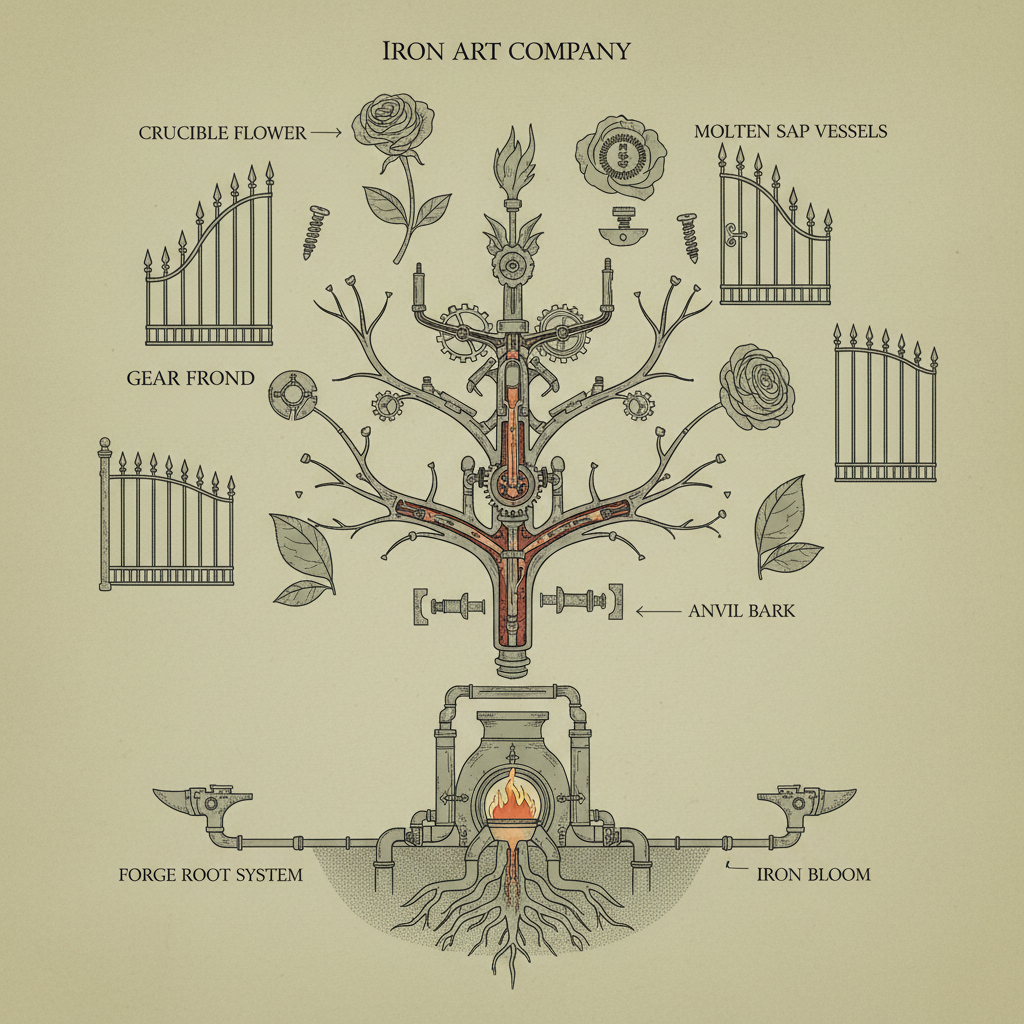
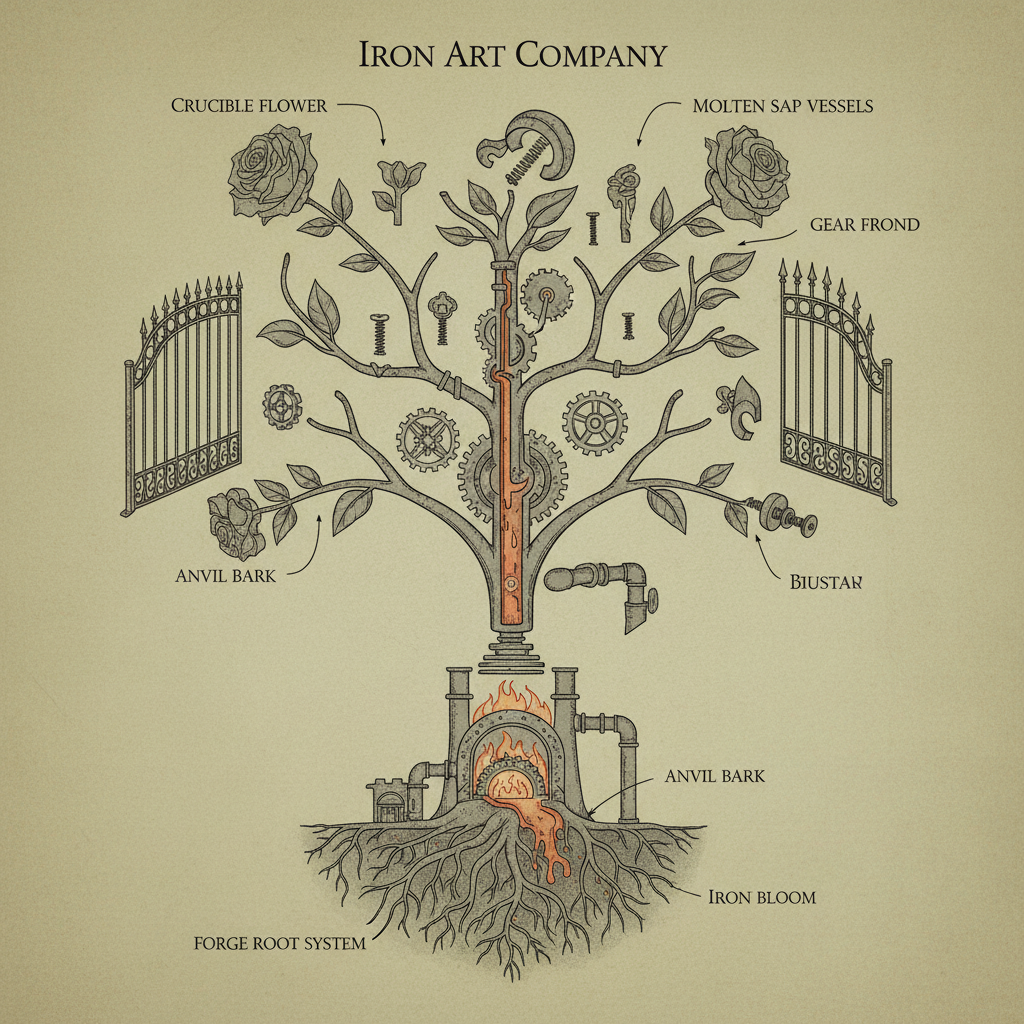
Steel, of course, is the backbone of most iron art company work. But it's not all the same. You've got your Q235, Q345, weathering steel… each with different properties and applications. I can tell you just by looking at a piece of steel, and by smelling it even, whether it’s good quality. Seriously. The smell of fresh-rolled steel is…distinctive.
Then you have the composites. Fiber-reinforced polymers (FRPs) are becoming more common, especially for cladding and facades. They’re lightweight, durable, and corrosion-resistant. But they can be brittle, and they don't always play well with other materials. You need to be careful about galvanic corrosion.
And don't forget the humble concrete. It’s still the workhorse of construction. But the mix design is crucial. Too much water, and it'll crack. Too little, and it'll be impossible to work with. It’s a balancing act.
Real-World Testing & Performance
Lab testing is fine, but it doesn't tell the whole story. I prefer to see things tested in the field, under real-world conditions. We once had a new type of composite panel that performed beautifully in the lab. But when we installed it on a site in Hainan, exposed to the salt air and intense sun, it started to delaminate within months.
We do a lot of load testing, obviously. But we also do things like impact testing – dropping weights on materials to see how they hold up. And we pay attention to how the materials age over time. We’ve got test plots on several sites where we’re monitoring the performance of different materials. It’s slow work, but it's worth it.
Iron art company Material Performance Ratings
How Users Actually Employ These Solutions
This is where things get interesting. You design something to be used one way, and then the guys on site figure out a completely different way to use it. It’s infuriating, but also… kind of brilliant. They're practical people, solving problems on the fly.
For example, we had a new type of modular support system that was designed to be used for temporary scaffolding. But the workers started using it as a permanent formwork for concrete columns. It wasn't what we intended, but it worked, and it saved them time and money. I mean, who are we to argue with that?
Advantages, Disadvantages, & Customization
The biggest advantage of these systems is speed. You can build things much faster with prefabrication and modular construction. It also reduces waste, improves quality control, and lowers labor costs. But the initial investment can be high, and you need a lot of planning and coordination.
One of the biggest disadvantages is the lack of flexibility. Once the modules are manufactured, it’s difficult to make changes. And that’s where customization comes in. We can offer a range of customization options – different sizes, finishes, and configurations. For instance, last month, a client wanted to integrate solar panels into the cladding of a building. It wasn't a standard option, but we were able to work with them to design a solution.
Anyway, I think you need to be realistic about what these systems can and can’t do.
A Customer Story and Lessons Learned
Last month, that small boss in Shenzhen who makes smart home devices – a real go-getter, always looking for an edge – insisted on changing the interface to for all the connections on a big order of our structural supports. He said it would “future-proof” his products. I tried to tell him it wasn’t necessary, that the standard connectors were perfectly reliable, but he wouldn’t listen.
He wanted it, he got it. The result? A three-week delay while we sourced new connectors and re-certified the entire system. And, of course, the connectors were more expensive. It was a classic case of over-engineering. He learned a valuable lesson – sometimes, simpler is better.
It’s a constant learning process. You think you’ve seen it all, and then something like that happens.
Summary of Key Considerations for Iron art company Projects
| Project Stage |
Critical Material Selection |
On-Site Challenges |
Potential Mitigation Strategies |
| Design Phase |
Prioritize long-term durability over initial cost. |
Access for maintenance and repair. |
Detailed access panels and service routes. |
| Fabrication Phase |
Rigorous quality control of all incoming materials. |
Dimensional accuracy and tolerances. |
Laser scanning and precise cutting equipment. |
| Installation Phase |
Proper handling and storage of materials on site. |
Weather protection and corrosion prevention. |
Temporary enclosures and protective coatings. |
| Testing & Commissioning |
Material performance under real-world conditions. |
Long-term durability and resistance to environmental factors. |
Accelerated aging tests and regular inspections. |
| Maintenance Phase |
Ease of access for repairs and replacements. |
Availability of spare parts and skilled labor. |
Preventive maintenance schedules and documentation. |
| Customization Requests |
Feasibility assessment and cost analysis. |
Impact on lead times and production schedules. |
Clear communication and change management processes. |
FAQS
In a harsh coastal environment, the lifespan really depends on the materials used and the level of maintenance. With proper corrosion protection – things like galvanizing, epoxy coatings, and regular inspections – a well-designed steel structure can easily last 50 years, potentially much longer. Without that, you're looking at significantly reduced longevity, perhaps 20-30 years, with accelerated corrosion being the main issue. The key is preventative measures.
Prefabrication can dramatically reduce costs, but not always. The upfront investment in tooling and design can be significant. However, you’ll see savings in labor, waste reduction, and faster on-site build times. The biggest savings come on larger, repetitive projects where you can leverage economies of scale. Smaller projects might not see as much benefit, and sometimes it can even be more expensive. It's all about the scale and complexity.
Transporting these components is a logistical puzzle. You need to carefully plan the routes, secure the loads properly, and protect them from the elements. Oversized loads require permits and escorts. You also need to consider the fragility of certain components and ensure they're adequately cushioned during transit. I once saw a shipment of panels get completely wrecked because they weren’t properly strapped down – a costly mistake.
That's a good question. Steel is recyclable, which is a big plus. Prefabrication reduces waste on-site. And you can use sustainable materials like recycled steel and wood composites. However, the manufacturing process itself can be energy-intensive. It's a complex calculation. Overall, a well-designed prefabricated structure can be more sustainable than traditional construction, but it requires careful planning and material selection.
A lot more than people think! You can customize the size, shape, finishes, and even the internal layout. We recently had a client who wanted to incorporate a specific type of window into their prefabricated building. It wasn't a standard option, but we were able to work with the manufacturer to create a custom solution. The key is to get involved early in the design process to discuss your customization needs.
Honestly? Communication breakdowns. Misunderstandings between the designers, the fabricators, and the installers. It happens all the time. That’s why clear documentation and regular site meetings are crucial. Another big one is dealing with unexpected site conditions – hidden utilities, poor soil conditions, etc. You have to be prepared to adapt and improvise.
Conclusion
Ultimately, whether these iron art company structures hold up, whether prefabrication delivers on its promises, it all comes down to the details. Careful material selection, meticulous fabrication, skilled installation, and regular maintenance – these are the things that matter. It’s not just about the technology, it's about the people.
And the worker, the one tightening the last screw, that’s the one who really knows. They’ll tell you whether it feels solid, whether it’s going to last. Listen to them. They’re the ones on the ground, seeing things you and I might miss. If you want to learn more about how we approach these challenges, visit our website: www.aobangmetal.com