




Wholesale Wrought Iron Leaves: A Practical Insider’s Guide
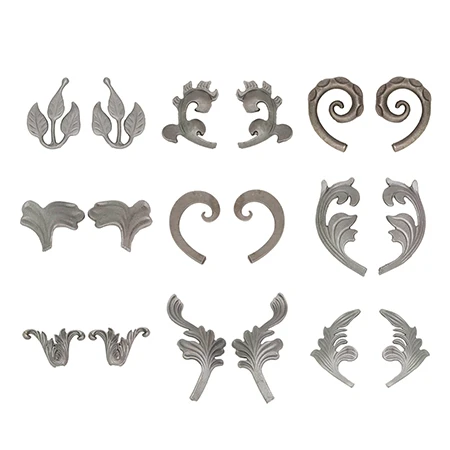
If you’ve been pricing ornamental iron leaves lately, you’ve probably noticed two things: demand is up, and lead times can vary wildly. I’ve toured a handful of shops this year and, to be honest, the best outcomes still come from vendors who treat forging and finishing like a science, not just craft.
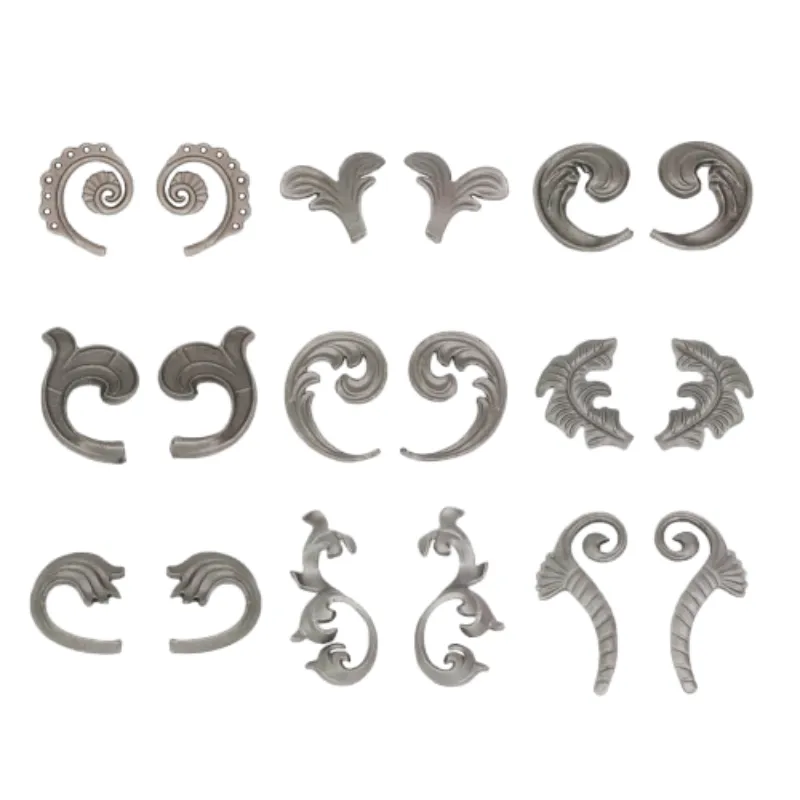
What’s hot right now
The trend is a split personality—classic scrollwork for estates and heritage restorations, and cleaner, botanical silhouettes for boutique hospitality. Powder-coated matte blacks still dominate, but textured bronzes and zinc patinas are creeping back. Many customers say they want “real wrought iron,” yet in practice, most high-quality ornamental iron leaves use low-carbon steel with authentic forged detail. It looks right, and it’s maintainable.
Core specifications (the stuff that actually matters)
| Parameter | Typical Range / Note |
|---|---|
| Material | Low-carbon steel (Q235 / ASTM A36-equivalent) |
| Thickness | 2.0–6.0 mm (≈ 12–3 gauge), real-world use may vary |
| Leaf Sizes | 80–260 mm length; custom silhouettes on request |
| Finish Options | Raw, hot-dip galvanizing (ISO 1461), zinc-rich primer + powder coat (ISO 12944 C3–C5) |
| Coating Tests | Salt spray 480–720 h (ASTM B117 / ISO 9227); adhesion ASTM D3359; thickness ISO 19840 |
| Service Life | ≈10–25 years with galvanizing + powder in C3/C4. Maintenance extends life. |
| Certifications | ISO 9001; EN 10204 3.1 material certs available |
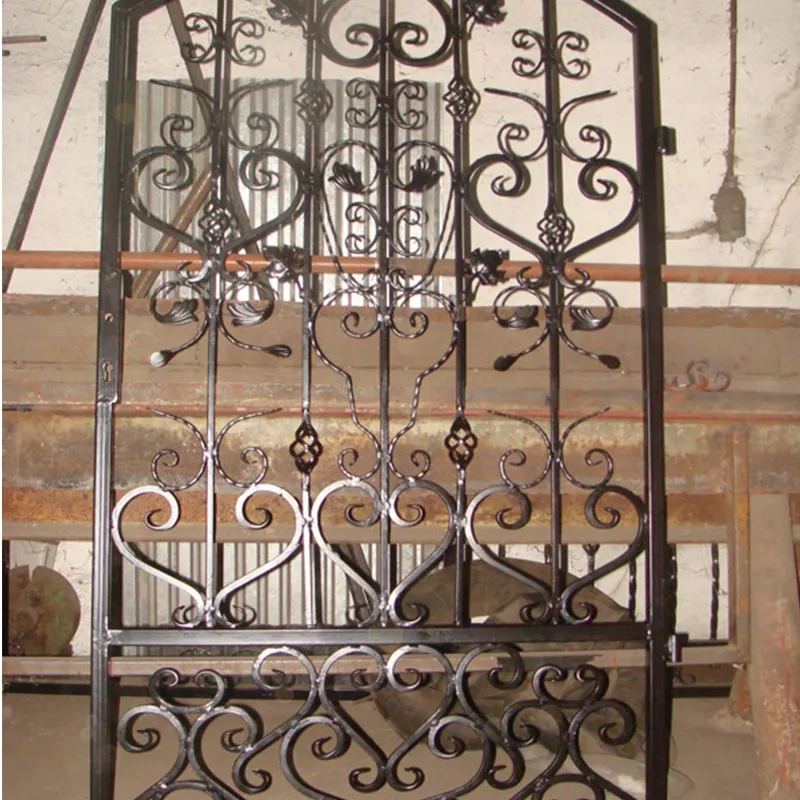
From billet to leaf: process flow that keeps QC tight
Materials: certified low-carbon steel plates or strips (mill certs EN 10204 3.1). Methods: laser/plasma blanking, hot forging on dies (or hand-forged for custom veins), edge dressing, and shot blasting prior to finishing. Finishing: either hot-dip galvanizing (ISO 1461) or zinc-rich epoxy primer + polyester powder coat (C3/C4 per ISO 12944). Testing: coating adhesion (ASTM D3359), dry film thickness checks (ISO 19840), and periodic salt-spray audits (ASTM B117/ISO 9227). Final fit: hole/tenon checks and bend tolerance ≈ ±0.5 mm.
Where they’re used (and why they work)
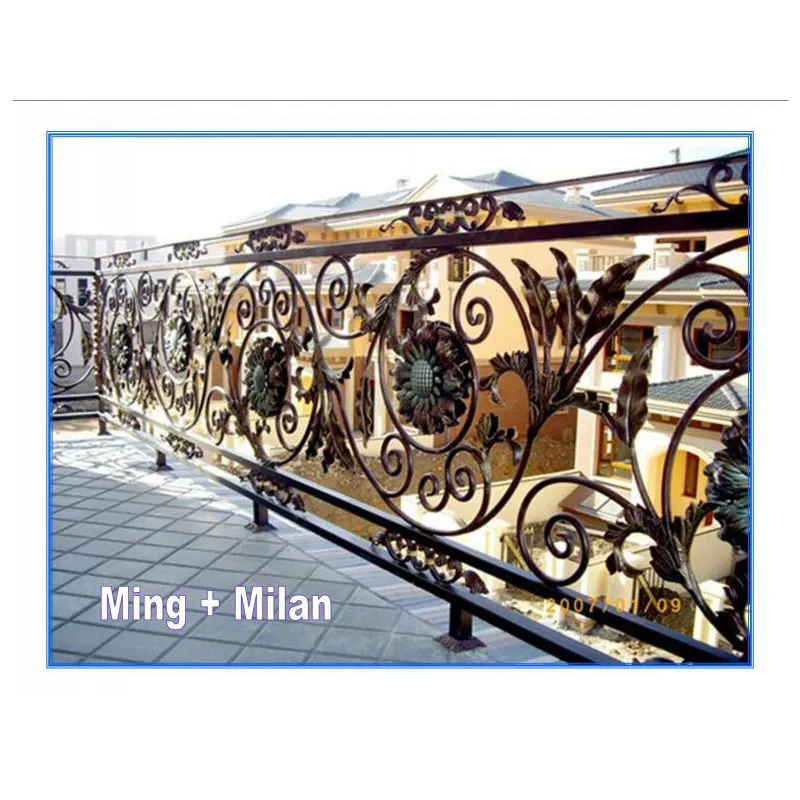
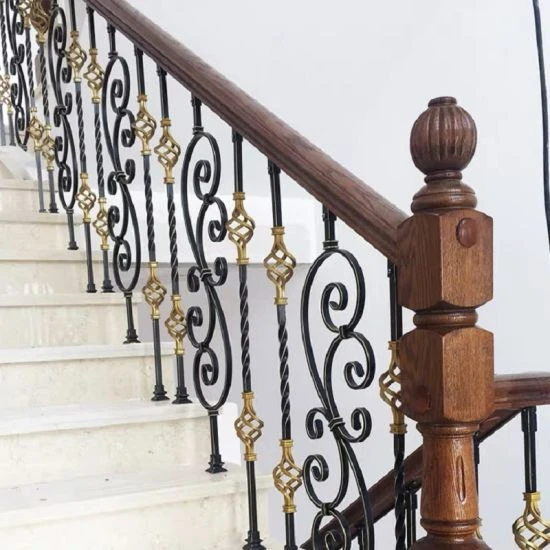
Gate and fence fabricators, balcony rail teams, municipal streetscape projects, and hospitality interiors all spec ornamental iron leaves for a simple reason: they elevate otherwise flat steelwork. They also weld cleanly, take patina predictably, and they’re repairable. I guess that’s why restorers prefer them over cast aluminum in high-touch areas.
Vendor comparison (what I look for)
| Vendor | MOQ | Lead Time | Finish & Tests | Certs | Notes |
|---|---|---|---|---|---|
| Aobang Metal (Wholesale Wrought Iron Leaves) | 500 pcs | 15–25 days | Galvanized + powder; ASTM B117 480–720 h | ISO 9001; EN 10204 3.1 | Stable dies, broad catalog; Origin: Shijiazhuang, China |
| Generic Importer | 1,000 pcs | 30–45 days | Powder only; tests on request | Basic QC | Lower price, variable consistency |
| Local Fabricator | 100–200 pcs | 7–14 days (limited SKUs) | Custom patina; limited lab testing | Shop-level QA | Great for prototypes; higher unit cost |
Customization and feedback
Aobang supports sketch-to-die development for bespoke ornamental iron leaves, with sample runs around two weeks. Fabricators report clean weld behavior and minimal rework on edges—small thing, big time saver. Packaging is usually VCI paper + carton; export pallets if you ask (worth it).

Quick case study
A coastal boutique hotel refit needed 3,200 leaf elements for balcony rails (C4 environment). We specified galvanizing + zinc-rich primer + 80 μm polyester powder. Field checks after 18 months: no blistering, negligible chalking, and zero replacement. The client—surprisingly—rated packaging a “win” because there was almost no shipping rash.
Sourcing note
Wholesale Wrought Iron Leaves are supplied from RM.1012, Zhongyuan Building, No.368 Youyi North Street, Shijiazhuang, China. If you’re consolidating mixed decorative steel, combining leaves with scrolls and collars on a single pallet can trim freight. Small detail, real savings.
Authoritative citations
- ASTM B117: Standard Practice for Operating Salt Spray Apparatus
- ISO 9227: Corrosion tests in artificial atmospheres — Salt spray tests
- ISO 1461: Hot dip galvanized coatings on fabricated iron and steel articles
- ISO 12944: Paints and varnishes — Corrosion protection of steel structures
- ISO 9001: Quality management systems — Requirements

-
Heavy Duty Ramp Gate Hinges Guide for Industrial EquipmentNewsApr.16,2026
-
Guide to Selecting the Right Ramp Door Spring Hinge for TrailersNewsApr.09,2026
-
Comprehensive Guide to Livestock Trailer Gate Hinges for Durable PerformanceNewsApr.07,2026
-
Choosing the Right Heavy Duty Hinges for Ramps A Comprehensive GuideNewsApr.04,2026
-
Comprehensive Guide to Choosing the Right Enclosed Trailer Ramp Door Extension HingeNewsMar.31,2026
-
Comprehensive Guide to Bi Fold Trailer Gate Hinges for Optimal PerformanceNewsMar.28,2026
-
Comprehensive Guide to Durable Aluminum Trailer Ramp Hinges for Optimal PerformanceNewsMar.26,2026