




Industrial Door Hinges: The Unsung Heroes of Global Infrastructure
When we think about massive steel warehouses, sprawling plants, or emergency relief shelters, we rarely consider the small parts that make them function seamlessly. Industrial door hinges, a humble yet crucial component, play a significant role in these constructions worldwide. They ensure secure, efficient access to facilities, affecting everything from safety protocols to energy conservation. Understanding these hinges is not just a technical curiosity—it's about appreciating a fundamental piece in the machinery of global industry and humanitarian efforts alike.
The Global Importance of Industrial Door Hinges
Globally, industrial door hinges support infrastructure that's key for commerce, manufacturing, defense, and logistics. The World Bank reports that improving industrial facility uptime and efficiency significantly enhances economic growth, particularly in emerging markets. Oddly enough, something as small as a hinge can influence a facility's security and operational cost. According to ISO standards (ISO 9227 for corrosion testing, for instance), the quality and reliability of these hinges also tie directly into sustainability metrics as industries push to reduce waste and extend equipment lifetimes.
However, challenges remain. Many developing regions struggle with sourcing durable hinges that withstand harsh environments—salt spray, extreme temperatures, or heavy usage. This often leads to frequent replacements and downtime, hurting productivity. So, hinges might seem trivial, but the right choice can be a game changer globally.
What Exactly Are Industrial Door Hinges?
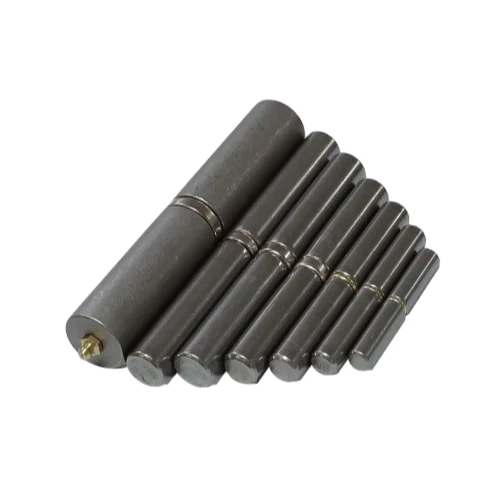
Simply put, industrial door hinges are mechanical bearings that connect a door to its frame, allowing smooth rotational movement to open or close. Unlike residential hinges, these are engineered to handle much heavier loads, harsh conditions, and frequent operations. Made typically from stainless steel, galvanized steel, or other high-grade alloys, they cater to everything from factory access doors to security gates, and even modular container housing in disaster response.
Their role is often overlooked but essential. In humanitarian contexts, for example, sturdy hinges allow quick assembly of safe shelters without compromising security or privacy—critical for displaced families post-disaster.
Core Features of Industrial Door Hinges
- Durability: These hinges must resist corrosion, wear, and mechanical fatigue — especially in salty coastal zones or intense industrial environments.
- Load Capacity: Supporting doors that can weigh hundreds of kilograms, they require precise engineering to avoid sagging or failure.
- Ease of Maintenance: Because downtime is costly, hinges that allow quick replacements or repairs score high in industrial settings.
- Security Features: Many hinges come with tamper-proof pins or concealed designs to enhance facility security.
- Adaptability: Modular designs that fit standard door sizes or customized heavy-duty variants help cater to diverse industrial needs.
- Environmental Resistance: Coatings and materials that meet ISO corrosion resistance standards ensure longer life cycles.
Product Specifications for a Typical Industrial Door Hinge
| Specification | Detail |
|---|---|
| Material | Galvanized Steel, Stainless Steel (304 or 316) |
| Load Capacity | Up to 500 kg per hinge |
| Finish | Powder-coated or zinc-plated for corrosion resistance |
| Pin Type | Removable or fixed tamper-resistant pin |
| Operating Temp Range | -40°C to +80°C |
| Dimensions (Typical) | 150 mm x 50 mm x 5 mm thickness |
Comparing Leading Industrial Door Hinge Providers
| Vendor | Material Options | Corrosion Resistance | Customization | Price Range |
|---|---|---|---|---|
| Aobang Metal | Galvanized Steel, 304/316 SS | High (Meets ISO 9227 standards) | Fully customizable sizes & finishes | $$ |
| HingeTech Solutions | Stainless Steel Alloys | Medium (Standard coatings) | Limited customization | $$$ |
| GlobalHinge Co. | Carbon Steel, Alloy Steel | Low (Basic finishes) | Standard sizes only | $ |
How Industrial Door Hinges Are Used Around the World
These hinges make a quiet but vast impact across continents. In Europe and North America, heavy-duty hinges secure factory entrances and warehouses, integral to supply chain continuity for millions of goods. In Asia and Africa, organizations rely on high-quality hinges for modular container housing, which can be rapidly deployed for disaster relief or remote industrial projects, promoting safety and privacy even in the toughest conditions.
For instance, in post-earthquake zones in Southeast Asia, rapid assemblage of modular clinics and shelters hinges quite literally on the reliability of these small but vital components. Industrial door hinges thus indirectly support humanitarian logistics and infrastructure resilience.
Advantages & Long-Term Value of Choosing the Right Industrial Hinges
- Cost Efficiency: Durable hinges reduce maintenance, downtime, and replacement expenses.
- Sustainability: High corrosion resistance means fewer discarded parts, supporting environmental goals.
- Trust & Safety: Secure, robust hinges promote safe access and protect personnel and equipment.
- User Confidence: Smooth operation contributes to better workflow and facility usability.
- Social Impact: Supports dignified living conditions in modular housing and disaster shelters.
The Road Ahead: Trends and Innovations
Looking forward, we see a push toward smart hinges—embedded sensors that monitor wear or unauthorized access—and greener materials reducing the carbon footprint of manufacturing. Digital transformation also plays a role: 3D printing custom hinges on-site seems possible soon, drastically cutting lead times. Plus, automation in factories means hinges must handle more repetitive use without failure.
Policies emphasizing sustainability and circular economy principles will continue to shape hinge design and usage—something manufacturers like Aobang Metal are already addressing.
Challenges & Solutions in Industrial Door Hardware
Despite advances, challenges persist—like corrosion in harsh coastal or chemical plant environments, or the difficulty in balancing security with maintenance ease. One solution gaining traction is modular hinge systems with replaceable pins and coatings tailored to specific environments. Training end-users on maintenance also helps extend hinge lifespans.
FAQ: Common Questions About Industrial Door Hinges
- Q: How do I choose the right hinge for a high-corrosion environment?
A: Opt for stainless steel grades like 316 or hinges with specialized coatings tested to ISO 9227 salt spray standards. They resist rust and extend operational life significantly. - Q: Can industrial door hinges support very heavy or oversized doors?
A: Yes, there are heavy-duty hinges rated for loads up to 500 kg or more per hinge. Often, multiple hinges are used for better weight distribution and durability. - Q: Are there eco-friendly industrial hinge options?
A: Increasingly, manufacturers offer hinges made from recycled materials and eco-conscious processes, plus designs that reduce waste by allowing part replacements instead of full units. - Q: How easy is it to maintain or replace industrial door hinges?
A: Many hinges feature removable pins or modular designs making on-site maintenance quick, minimizing operational downtime. - Q: Can specialized hinges be customized for unique industrial projects?
A: Absolutely. Vendors like Aobang Metal often provide custom dimensions, finishes, and security options to suit specific project needs.
Conclusion: Why Industrial Door Hinges Matter — More Than You Think
To sum up, industrial door hinges quietly keep the wheels of global industry turning—from factories that manufacture crucial goods to shelters providing refuge in crises. Their durability, adaptability, and security delivery make them invaluable. For companies and organizations looking to invest in reliable infrastructure, paying attention to quality hinges is definitely a risk worth mitigating.
Interested in upgrading your facility’s door hardware? Visit Aobang Metal to explore a wide range of industrial door hinges designed with performance and longevity in mind.
Bottom line? Never underestimate the power of the hinge.
References:
1. ISO 9227: Corrosion tests in artificial atmospheres
2. World Bank: Industry Competitiveness
3. Wikipedia: Door Hinge
-
Heavy Duty Ramp Gate Hinges Guide for Industrial EquipmentNewsApr.16,2026
-
Guide to Selecting the Right Ramp Door Spring Hinge for TrailersNewsApr.09,2026
-
Comprehensive Guide to Livestock Trailer Gate Hinges for Durable PerformanceNewsApr.07,2026
-
Choosing the Right Heavy Duty Hinges for Ramps A Comprehensive GuideNewsApr.04,2026
-
Comprehensive Guide to Choosing the Right Enclosed Trailer Ramp Door Extension HingeNewsMar.31,2026
-
Comprehensive Guide to Bi Fold Trailer Gate Hinges for Optimal PerformanceNewsMar.28,2026
-
Comprehensive Guide to Durable Aluminum Trailer Ramp Hinges for Optimal PerformanceNewsMar.26,2026