When sourcing hardware for heavy-duty industrial applications, understanding the variables that influence soft close hinges price is essential for balancing initial investment with long-term operational reliability. Many procurement managers focus solely on the unit cost, yet the actual value of a hinge is determined by its ability to withstand repeated stress cycles without failure. In the context of metal products manufacturing, the transition from standard mechanical hinges to precision-engineered closing systems represents a significant upgrade in both safety and user experience.
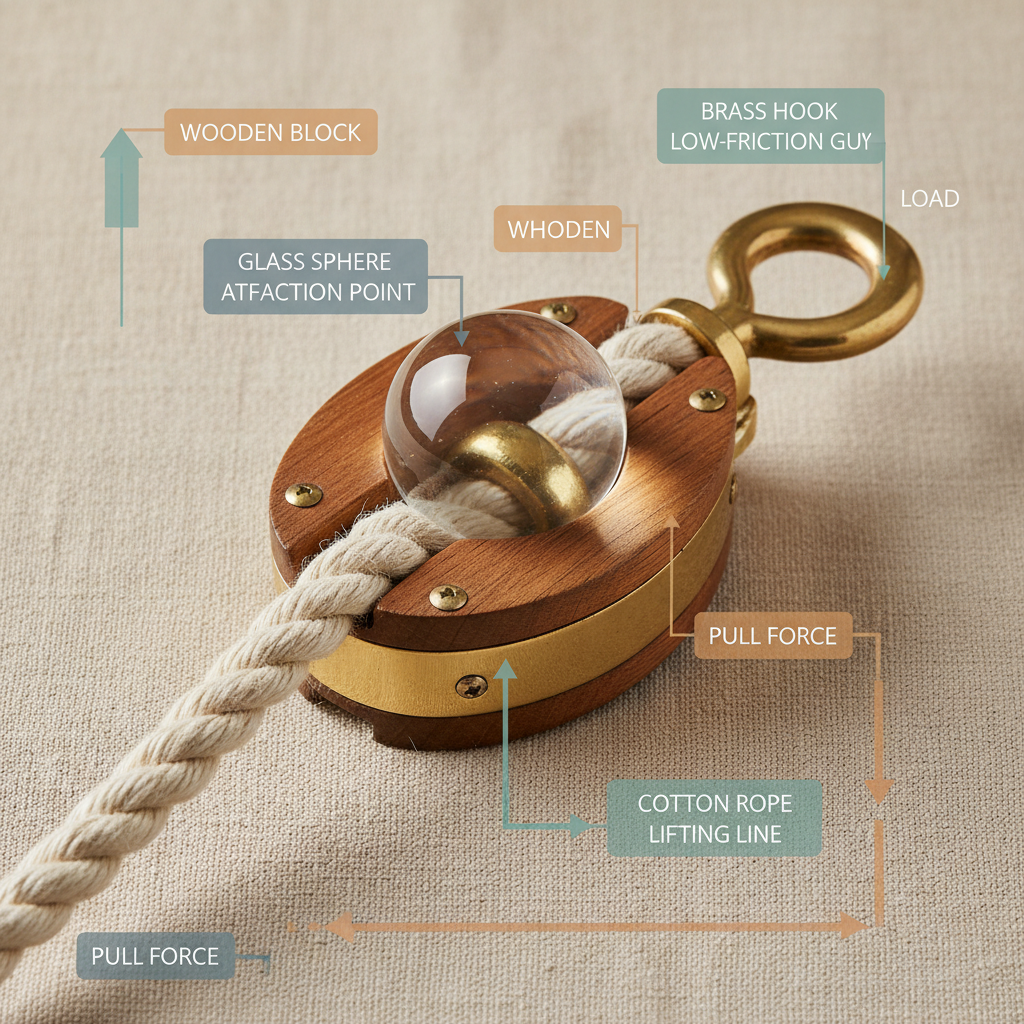
The importance of this selection process extends beyond simple aesthetics; it directly impacts the structural integrity of swing gates, trailer ramps, and dump gates. For components used in demanding environments, the relationship between material grade—such as high-carbon steel—and the mechanism's damping capacity dictates the overall lifecycle cost. Integrating these high-performance hinges within a broader system of Ground Pile, Hanging Wheel, and Pulley components ensures that the entire hardware assembly operates in harmony, reducing wear and tear across all moving parts.
This analysis explores the technical drivers of pricing, the structural advantages of carbon steel construction, and the strategic criteria for selecting suppliers who can provide customized OEM or ODM solutions. By evaluating the intersection of material science and mechanical design, buyers can move beyond surface-level quotes to find high-value hardware. For those seeking a balance of durability and cost-efficiency, exploring professional soft close hinges price structures provides a roadmap for sustainable procurement in the building materials industry.


At its core, an industrial hinge is more than a pivot point; it is a load-bearing component designed to manage rotational force. For products like the carbon steel hinges provided by Aobang, the structural integrity is reinforced by specific dimensions, such as a 60mm length and a 5.8x16mm pin size, ensuring that the axis can support the weight of heavy gates or trailer ramps without bending. The rotation degree, often reaching 360 degrees, allows for maximum versatility in spatial configurations.
A critical design feature in professional-grade hinges is the integrated raise part at the welded joint. This specific geometry is engineered to simplify the welding process, reducing the time and labor required during assembly while ensuring a stronger, more consistent bond. This fusion of ease-of-installation and structural robustness is what separates industrial-grade hardware from residential alternatives, directly impacting the overall efficiency of the manufacturing workflow.
The durability of a hinge is primarily governed by its material composition and surface treatment. Carbon steel is the industry standard for high-stress applications due to its superior tensile strength and hardness. When the material is paired with a precise surface treatment, it creates a barrier against oxidation and environmental degradation, which is vital for hardware exposed to outdoor elements in trailers or swing gates.
The true longevity of a hinge is determined by the precision of the pin fit and the quality of the welded joint; a deviation of even a fraction of a millimeter can lead to premature wear or mechanical binding under heavy loads.
Furthermore, the operational environment plays a decisive role. Hinges used in agricultural settings face different stressors—such as corrosive fertilizers—compared to those used in logistics. Selecting a component with a plain surface treatment or a specific coating based on the deployment site ensures that the hardware maintains its structural integrity throughout its intended service life, avoiding costly mid-cycle replacements.
Evaluating hardware solely on the initial purchase price often leads to higher total cost of ownership. Precision-engineered hinges reduce the frequency of maintenance and the likelihood of catastrophic failure. When a hinge is designed with exact tolerances—such as the 11.5mm width and 9.8mm height specifications—it ensures a smooth distribution of weight, which in turn protects the surrounding frame and the gate itself from warping.
Investment in high-specification carbon steel hardware delivers a measurable ROI by extending the maintenance interval from months to years, significantly reducing operational downtime in commercial logistics.
The ability to utilize OEM and ODM services allows companies to optimize their hardware for specific load requirements. By customizing the pin size or material thickness, manufacturers can avoid "over-engineering" (which wastes budget) or "under-engineering" (which leads to failure). This strategic alignment of product specifications with actual application needs is where the most significant cost savings are realized.
To understand why certain materials command a higher price, one must look at their performance under stress. Carbon steel offers a critical balance of malleability for welding and rigidity for load-bearing. In contrast, lower-grade alloys may offer a lower initial cost but suffer from rapid fatigue, leading to "hinge sag" in heavy gates, which eventually renders the closing mechanism useless.
The following data represents a comparative look at how different hardware specifications impact the expected service life in industrial environments. By analyzing the relationship between material grade and the number of cycles before the first required maintenance, the logic behind investing in premium hardware becomes clear.
The application of specialized hinges varies significantly across different sectors. In trailer manufacturing, for instance, dump gates require hinges that can handle sudden shifts in center-of-gravity as loads are discharged. The carbon steel construction and 360-degree rotation capabilities ensure that the gate can move freely without jamming, even when subjected to the vibrations and shocks of highway transport.
Similarly, in perimeter security and agricultural swing gates, the hinge must resist environmental moisture while supporting large spans of iron art or heavy steel tubing. The use of hinges with welded joints specifically designed for easy integration allows contractors to install these systems rapidly in the field, ensuring a seamless transition from the factory to the final installation site without compromising stability.
The metal products industry is shifting toward higher integration and certification. Modern manufacturers are no longer just selling parts; they are providing verified solutions. Adhering to international export standards ensures that products are compatible with global building codes, making them suitable for export to over 50 countries. This globalization of quality requires rigorous testing, including BSCI and ASTM standards, to guarantee safety and performance.
Technological advancements in carbon steel processing have allowed for tighter tolerances and more consistent surface finishes. This evolution means that the "plain" treatment of today is far more consistent than the finishes of a decade ago. As a result, the reliability of bulk-produced hinges has increased, allowing for larger-scale infrastructure projects to be completed with a higher degree of confidence in the hardware's lifespan.
Future trends suggest a further move toward hybrid materials and smart damping systems. However, the foundational requirement will always remain the structural strength of the steel core. For the foreseeable future, the ability to provide customized, high-strength carbon steel components will remain the primary benchmark for quality in the hardware and building materials sector.
One of the most common failures in hinge installation is the misalignment of the pivot axis, which creates uneven friction and accelerates wear. To prevent this, installers should utilize the specific welded joint markers provided on industrial hinges to ensure a perfectly perpendicular weld. This reduces the torque on the pin and ensures the hinge rotates smoothly across its full range of motion.
Another frequent challenge is the selection of the wrong pin size for the intended load. Using a pin that is too thin for a heavy dump gate will lead to deformation, while a pin that is too thick may hinder the rotation degree. Referencing the technical parameters—such as the 5.8x16mm pin size—allows engineers to calculate the exact shear strength and ensure the hardware matches the load profile of the project.
Finally, environmental corrosion can be mitigated by applying secondary protective coatings after welding. While the base carbon steel provides the strength, a post-installation sealant or paint prevents oxygen from reaching the weld area, which is the most vulnerable point of the assembly. Following these professional installation protocols ensures that the investment in quality hardware is not wasted by poor assembly practices.
| Application | Material Requirement | Critical Dimension | Key Value Driver |
|---|---|---|---|
| Trailer Dump Gate | High Carbon Steel | Pin Strength | Shock Resistance |
| Swing Security Gate | Carbon Steel | Rotation Degree | Smooth Pivot |
| Industrial Ramp | Reinforced Steel | Welded Joint | Load Capacity |
| Iron Art Gates | Plain Carbon Steel | Overall Size | Aesthetic Fit |
| Custom Machinery | Custom Alloy/Steel | Tolerance Fit | Precision Motion |
| Warehouse Doors | Coated Carbon Steel | Width/Height | Wear Resistance |
The price is primarily driven by the grade of carbon steel used, the precision of the mechanical tolerances, and the complexity of the surface treatment. Additionally, custom OEM or ODM specifications that require unique pin sizes or reinforced welded joints will influence the cost based on the tooling and labor required for customization.
Carbon steel is preferred because it offers a superior strength-to-cost ratio and excellent weldability. Its high tensile strength allows it to support heavy loads—such as trailer ramps and dump gates—without permanent deformation, while its ability to be easily welded makes it the most practical choice for large-scale industrial assembly.
A 360-degree rotation provides maximum flexibility in how a gate or door can be folded or stored. This is particularly useful in trailer ramps and specialized machinery where space is limited and the component must be able to pivot completely out of the way without interfering with other structural elements.
The raise part acts as a guide and a reinforcement point during the welding process. It makes it significantly easier for technicians to align the hinge with the frame and ensures that the weld penetrates deeply and evenly, resulting in a joint that is much stronger and more resistant to shear forces.
Yes, professional manufacturers like Aobang offer comprehensive OEM, ODM, and OBM solutions. This means you can specify exact dimensions, pin sizes, and material grades to ensure the hardware perfectly matches the load requirements and spatial constraints of your specific project.
Longevity is ensured by proper alignment during installation to avoid uneven wear and by applying a protective coating or lubricant to the pin area. Regular inspection for weld cracks and ensuring the hinge is not overloaded beyond its technical specifications will maximize the service life of the component.
Selecting the right hardware requires a shift in perspective from viewing hinges as simple commodities to seeing them as critical engineering components. By prioritizing carbon steel durability, precise pin dimensions, and ease of welding, businesses can significantly reduce their long-term maintenance costs. The synergy between high-quality materials and professional manufacturing standards ensures that every gate, ramp, or trailer operates safely and efficiently over thousands of cycles.
For procurement professionals and engineers looking for reliable, customizable hardware solutions that meet international standards, partnering with an experienced manufacturer is key. Whether you require standard specifications or bespoke ODM designs to solve a specific engineering challenge, exploring the capabilities at https://www.aobangmetal.com can help you secure the right balance of performance and value for your next project.