




Heavy Duty Barn Door Hinges: The Unsung Heroes of Industrial and Agricultural Durability
At first glance, barn door hinges might seem just a mundane, overlooked component in construction — but heavy duty barn door hinges are genuinely the kind of unsung heroes that carry much more weight both literally and figuratively than you’d expect. Whether it’s in remote farming outposts, grain storage facilities, or even emergency shelters, their robust design ensures long-term functionality and safety. Understanding their role beyond mere hardware is essential, especially when global infrastructure increasingly relies on resilient, adaptable components that can withstand harsh environments.
In a world where durable infrastructure is vital—from sustainable agriculture to industrial growth—knowing what makes a hinge “heavy duty” and why it matters globally can translate into better procurement decisions, cost savings, and improved safety standards. Plus, it saves from those frustrating mid-winter door failures that raise eyebrows and, frankly, blood pressure.
Why Heavy Duty Barn Door Hinges Matter Globally in Industry and Agriculture
According to the International Organization for Standardization (ISO), the durability and safety of building components directly affect sustainability and safety targets worldwide. Heavy duty hinges, notably for barn doors and similar large-access points, help tackle dust, moisture intrusion, and security threats in farming contexts across continents.
The World Bank estimates that 70% of rural infrastructure in developing regions still requires upgrades to support efficient food storage — where barn doors secured by robust hinges play an essential role. Without sturdy hinges, doors sag, lock poorly, or break, leading to spoilage and financial loss. Given the rising focus on food security, sustainable agriculture, and climate resilience, heavy duty barn door hinges thus aren’t just hardware; they’re a small but pivotal piece in the global sustainability puzzle.
Mini Takeaway:
- Heavy duty barn door hinges are a small but critical component supporting global food security and infrastructure reliability.
- Long-lasting hinges reduce maintenance costs and increase operational safety in industrial and agricultural settings.
What Exactly Are Heavy Duty Barn Door Hinges?
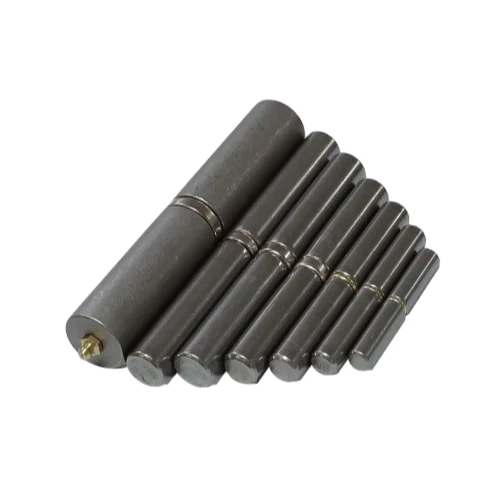
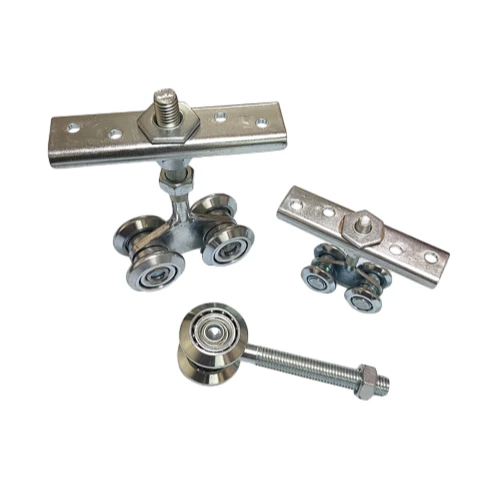
In simple terms, heavy duty barn door hinges are hinge mechanisms engineered to support very large, weighty doors—like those found on barns, warehouses, industrial facilities, or even emergency shelters. Unlike standard residential door hinges, these are made from reinforced materials such as stainless steel, galvanized iron, or heavy gauge steel, designed to withstand constant use, rough weather, and sometimes even corrosive environments.
They operate either as butt hinges, strap hinges with long flaps, or pivot hinges, chosen based on door size and framing types. In humanitarian infrastructure, these hinges enable rapid deployment of modular structures that must remain secure and functional under chaotic or extreme conditions—linking the seemingly mundane door hinge to much larger societal needs.
Core Features Behind Heavy Duty Hinges That Make the Difference
Durability and Corrosion Resistance
The hinge material usually decides its lifespan. Stainless steel or hot-dip galvanized steel resists rust and weathering, especially critical in humid or coastal agricultural zones.
Load Capacity and Strength
These hinges can bear doors weighing hundreds of pounds. High tensile strength and bearing pins decrease sagging, a common problem with cheap or under-rated hinges.
Ease of Installation and Maintenance
Some hinges incorporate grease fittings for lubrication or bushings that reduce friction and wear, extending the hinge's service life with minimal upkeep.
Security Features
Heavy duty hinges often include features like non-removable pins or tamper-proof designs to prevent unauthorized door removal — vital in keeping livestock, equipment, or stored goods safe.
Customization and Versatility
Variety in finish, size, and mounting methods makes these hinges adaptable to wooden, metal, or composite doors across many industries.
Mini Takeaway:
- Materials and mechanical design govern the longevity and robustness of heavy duty barn door hinges.
- Security and maintenance prospects are equally important in selecting the right hinge.
How Heavy Duty Barn Door Hinges Shape Global Industries and Operations
This might surprise some, but heavy duty barn door hinges are quietly everywhere: from the vast farmlands of North America to the rice paddies in Southeast Asia, and even vital disaster relief warehouses across sub-Saharan Africa. They’re foundational in:
- Agriculture: Securing barns, silos, and greenhouse access points are critical for protecting crops and animals.
- Industrial Storage: Factories and logistics centers rely on large doors for heavy equipment and goods, demanding hinges that resist daily mechanical strain.
- Emergency Shelters: NGOs deploying modular shelters depend on hinges that allow quick assembly and repeated use under stress.
- Transportation: Freight containers and mobile units use heavy duty hinges for security and durability through transit.
For example, in flood-prone regions, doors with robust hinges prevent contaminants from entering storage units, thus ensuring food safety. Relief organizations often note that a door break-down in a shelter can quickly turn a safe haven into a hazard.
Advantages That Go Beyond the Obvious
Sure, heavy duty hinges mean less fiddling with creaky doors — but they also contribute profoundly to sustainability and operational trust. These hinges reduce the need for frequent replacements, lowering waste and raw material consumption. They protect stored produce and equipment by preventing damage from pests or weather ingress, ultimately supporting rural livelihoods and reducing financial risk.
There’s a reassuring emotional layer in having equipment that “just works,” especially in isolated conditions. Feelings of security and confidence in the infrastructure are not minor. They reflect on the well-being of farmers, workers, and families.
Product Specification Table
| Specification | Typical Value | Notes |
|---|---|---|
| Material | Stainless Steel 304 | Corrosion resistant for outdoor use |
| Maximum Load Capacity | >350 lbs (160 kg) | Supports large barn or warehouse doors |
| Pin Type | Non-removable, greasable | Security and maintenance friendly |
| Finish | Hot-dip galvanized / Powder Coated | Extra protection against rust |
| Hinge Length | 12 to 18 inches (300-450 mm) | Varies per door size |
Comparing Top Vendors of Heavy Duty Barn Door Hinges
| Vendor | Price Range | Material Quality | Customization | Lead Time |
|---|---|---|---|---|
| Aobang Metal | $$$ | 316 Stainless Steel | High (custom sizes, finishes) | 2-3 weeks |
| HingeCo | $$ | Galvanized Steel | Medium | 1-2 weeks |
| SteelWorks Inc. | $$ | Carbon Steel, powder coated | Low (standard models only) | 1 week |
Looking Ahead: Future Trends and Innovations
Like pretty much everything industrial today, hinge technology isn’t standing still. Innovations in materials science mean moving to even lighter, stronger composites to reduce steel weight without sacrificing durability. Alongside that, coatings incorporating nano-technology aim to guarantee corrosion resistance way beyond industry standards.
Digitally, the next frontier is “smart hinges”: embedded sensors monitoring door usage, wear, and even alerting maintenance teams before failure occurs. This fits into the growing trend in Industrial IoT (Internet of Things) to create 'smart farms' and digitized warehouses where every piece of hardware communicates.
Moreover, sustainability-focused policies are pushing manufacturers to prioritize recyclable materials and reduce the carbon footprint during production. So, heavy duty barn door hinges next to solar panels on barns? Not far-fetched at all.
Challenges Facing Users and Manufacturers
One common limitation is balancing cost with quality. Customers in emerging markets often want premium corrosion resistance but at a minimal cost, which is a tricky market to navigate for producers. Installation complexity can also create headaches: not all hinges fit every frame, and improper mounting worsens performance dramatically.
Experts recommend partnering with reputable vendors offering customization to fit exact needs. DIY or subpar hinges may “work” at first but lead to sagged doors and unexpected replacement costs down the line. Many engineers say investing upfront in quality pays off remarkably in durability and peace of mind.
FAQ: Practical Queries on Heavy Duty Barn Door Hinges
- Q: How do I choose the right size hinge for a barn door?
A: You need to consider the door’s weight and height. Typically, heavier and taller doors require longer, wider hinges with higher load capacity. Consulting with suppliers about your exact door specs can ensure the right match and avoid sagging issues. - Q: Are stainless steel hinges always better than galvanized ones?
A: Stainless steel generally offers superior corrosion resistance, especially in marine or humid environments. Galvanized hinges are often sufficient and more cost-effective for inland use but may not last as long in corrosive atmospheres. - Q: Can heavy duty hinges be used for fire-resistant doors?
A: It depends on the door rating and hinge materials. Fire-rated hinge models exist and comply with safety standards; always confirm if the hinge matches fire-door certifications if safety compliance is critical. - Q: How often should hinges be maintained?
A: Regular greasing every 6–12 months is recommended to keep moving parts friction-free, especially in dusty or wet climates. Proper maintenance can double hinge life expectancy.
Final Thoughts on Heavy Duty Barn Door Hinges
In summary, heavy duty barn door hinges represent a blend of industrial resilience, engineering smartness, and practical necessity stretching from the heart of global agriculture to modern emergency infrastructure. They quietly underpin safety, efficiency, and sustainability across landscapes and industries distant and diverse.
For anyone managing industrial doors, warehouses, or agricultural storage, the right choice of hinge isn’t trivial — it’s foundational. So, next time you close a barn door or warehouse entrance that doesn’t squeak, sag, or stick... take a moment to appreciate the steady work of these humble hinges.
Looking for reliable hinges designed to last decades? Visit heavy duty barn door hinges to find premium options tailored to your needs.
References:
-
Heavy Duty Ramp Gate Hinges Guide for Industrial EquipmentNewsApr.16,2026
-
Guide to Selecting the Right Ramp Door Spring Hinge for TrailersNewsApr.09,2026
-
Comprehensive Guide to Livestock Trailer Gate Hinges for Durable PerformanceNewsApr.07,2026
-
Choosing the Right Heavy Duty Hinges for Ramps A Comprehensive GuideNewsApr.04,2026
-
Comprehensive Guide to Choosing the Right Enclosed Trailer Ramp Door Extension HingeNewsMar.31,2026
-
Comprehensive Guide to Bi Fold Trailer Gate Hinges for Optimal PerformanceNewsMar.28,2026
-
Comprehensive Guide to Durable Aluminum Trailer Ramp Hinges for Optimal PerformanceNewsMar.26,2026