




In modern industrial and mechanical systems, few components are as foundational—or as versatile—as the pulley. From construction cranes to conveyor systems and precision lifting mechanisms, pulleys simplify movement, reduce force requirements, and enhance safety. Yet, understanding the different types of pulleys is key to optimizing performance. Whether you’re sourcing a wire rope pulley for heavy-duty hoisting or choosing among conveyor belt pulley types for material handling, selecting the right configuration can make a substantial difference in efficiency and longevity.
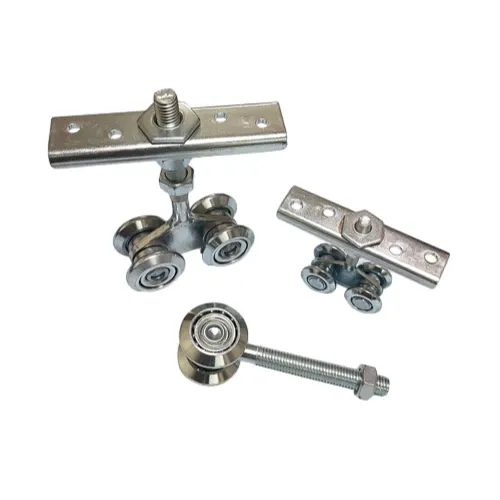
Understanding the Engineering Behind Pulley Categories
All types of pulleys function by redirecting force, but their specific roles and benefits vary greatly depending on their structure and application. Broadly speaking, pulleys can be categorized as fixed, movable, or compound. Each category provides a different mechanical advantage and operational benefit. Fixed pulleys change the direction of force, movable pulleys reduce the amount of force needed, and compound pulleys—like the dual pulley system—combine both benefits.
However, this is only the beginning. Modern industry demands more specialized solutions. As such, sheave pulley systems, which allow for continuous cable movement and direction control, are increasingly common in cranes, elevators, and winches. Meanwhile, the wire rope pulley is built to handle high-tensile loads, often in marine, mining, or structural lift applications. With so many choices, understanding each type’s function is essential to selecting the optimal solution for your project or machinery.
Conveyor Belt Pulley Types and Their Industrial Significance
When it comes to continuous flow systems, conveyor belt pulley types play a critical role in load movement, belt tracking, and system balance. These pulleys are generally divided into drive pulleys and idler pulleys. Drive pulleys are responsible for providing motion to the belt, often powered by motors and engineered to maximize traction and minimize slippage. Idler pulleys, in contrast, guide and maintain belt tension across the length of the conveyor.
Beyond this basic classification, there are several subtypes: crowned pulleys, wing pulleys, and spiral pulleys, each designed for specific operating environments. For instance, crowned pulleys help prevent belt misalignment, while wing pulleys are preferred in applications where debris removal is essential, such as in aggregate or mining sectors. A precise understanding of conveyor belt pulley types ensures smoother operations and reduces belt wear, energy consumption, and maintenance costs.
The Practical Benefits of Using Dual Pulley Systems
A dual pulley setup—commonly known as a compound pulley—is an intelligent solution for lifting or guiding loads in a balanced and energy-efficient way. This system features two pulleys, often arranged so that one is fixed and the other is movable. As a result, the user can lift heavier loads using less force, thanks to the increased mechanical advantage provided by the configuration.
Dual pulley systems are extensively used in mechanical hoists, rescue operations, weight training machines, and aerial cable transport systems. They’re ideal for applications requiring both stability and efficiency. By reducing the strain on the user or the driving motor, these systems also extend the lifespan of cables and other connected components. Most industrial suppliers offer modular dual pulley units that can be adapted to various cable types and mountings, making them an excellent choice for both new installations and retrofitting existing equipment.
Sheave and Wire Rope Pulley Applications in Heavy-Duty Systems
The sheave pulley is designed for applications that require continuous movement and redirection of cables or ropes. It consists of a grooved wheel that supports the rope and allows it to pass smoothly while carrying heavy loads. Unlike simple fixed pulleys, sheave pulley systems are typically integrated into cranes, elevators, and rigging platforms where both motion precision and load capacity are critical.
Complementing this is the wire rope pulley, engineered specifically for use with high-tension wire rope rather than standard synthetic or fiber rope. These pulleys are built with extra-deep grooves and heavy-duty side plates to handle massive loads without rope slippage. They are widely used in shipping, oil rigs, construction, and even stage rigging in large venues. When choosing between types of pulleys, understanding the material and structural demands of your task will guide you toward either a sheave pulley for dynamic redirection or a wire rope pulley for static load lifting.
Types of pulleys FAQs
What are the main categories included in the types of pulleys?
The main types of pulleys include fixed pulleys, movable pulleys, and compound pulleys. Fixed pulleys are anchored in place and change the direction of force. Movable pulleys are attached to the load and reduce the amount of input force needed. Compound or dual pulley systems combine both features for maximum efficiency. Other specialized types, such as sheave pulley and wire rope pulley, cater to specific industrial applications requiring continuous motion or extreme load-bearing.
What distinguishes conveyor belt pulley types from standard pulleys?
Conveyor belt pulley types are specifically engineered for continuous belt-driven systems. They include drive pulleys that propel the belt and idler pulleys that support and guide it. Unlike general-purpose pulleys, they are often crowned, winged, or spiral-shaped to maintain alignment and prevent belt wear. Their construction emphasizes traction control, balance, and maintenance ease in high-volume operations.
Why is a dual pulley system more efficient for lifting tasks?
A dual pulley system provides mechanical advantage by reducing the amount of force required to lift a load. This is achieved by distributing the weight across two pulleys and increasing the lifting distance relative to force input. These systems are widely used in settings where high-capacity lifting with minimal energy is required, such as in rescue equipment, gym machines, and construction hoists.
How does a sheave pulley function in dynamic load environments?
A sheave pulley is optimized for guiding and redirecting cables in motion. Its grooved design ensures smooth movement of ropes or wires, minimizing friction and wear during use. It’s ideal for cranes, elevators, and rigging systems where constant movement and directional changes occur. The sheave pulley is essential for load control and operational precision in dynamic environments.
What makes wire rope pulleys suitable for extreme load applications?
The wire rope pulley is built to accommodate steel wire ropes used in high-load environments like shipping docks, oil platforms, and structural hoisting systems. Its deeper grooves and reinforced sidewalls prevent deformation under pressure and ensure secure rope alignment. These pulleys are designed for durability, load-bearing capacity, and corrosion resistance, making them suitable for extreme conditions and critical lift tasks.


-
Heavy Duty Ramp Gate Hinges Guide for Industrial EquipmentNewsApr.16,2026
-
Guide to Selecting the Right Ramp Door Spring Hinge for TrailersNewsApr.09,2026
-
Comprehensive Guide to Livestock Trailer Gate Hinges for Durable PerformanceNewsApr.07,2026
-
Choosing the Right Heavy Duty Hinges for Ramps A Comprehensive GuideNewsApr.04,2026
-
Comprehensive Guide to Choosing the Right Enclosed Trailer Ramp Door Extension HingeNewsMar.31,2026
-
Comprehensive Guide to Bi Fold Trailer Gate Hinges for Optimal PerformanceNewsMar.28,2026
-
Comprehensive Guide to Durable Aluminum Trailer Ramp Hinges for Optimal PerformanceNewsMar.26,2026