




Understanding Boat Hinges: A Crucial Component in Marine and Industrial Applications
Boat hinges might sound like a niche topic, but their impact stretches far beyond just joining two surfaces on a watercraft. Globally, these small yet vital hardware components enable everything from reliable hatch closures on boats to durable applications in various industrial equipment. You might wonder why such seemingly simple parts deserve attention. Frankly, understanding these hinges means better safety, durability, and even economic savings for numerous industries worldwide.
Introduction: Why Do Boat Hinges Matter Globally?
At first glance, a boat hinge may just look like a metal joint, but consider this: According to the International Maritime Organization (IMO), over 90% of global trade volume is carried by sea. The reliability of every vessel partly depends on components like hinges that ensure watertight integrity and operational flexibility. Aside from marine vessels, the use of boat hinges extends into sectors like offshore platforms, transport containers, and even humanitarian logistics equipment. However, challenges remain—as corrosion, load strength, and material compatibility issues tend to compromise performance.
In a world increasingly focused on sustainability and resilience, engineers and manufacturers are optimizing these hinges to last longer and resist harsh environments. By addressing corrosion resistance and ease of maintenance, boat hinges help reduce costly repairs and increase the lifespan of marine vessels and equipment globally.
What Exactly Are Boat Hinges?
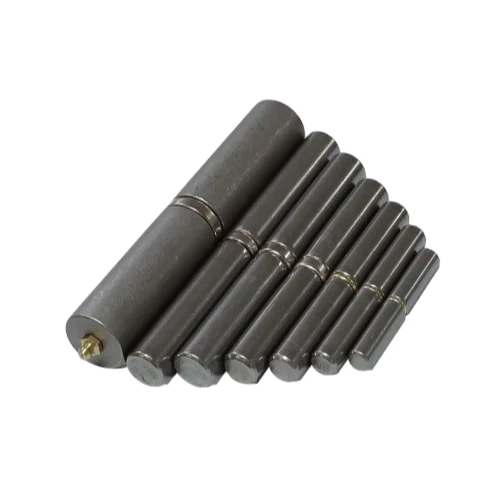
Simply put, boat hinges are specialized hinges designed for marine applications. They join two parts—for example, a hatch cover and the boat deck—allowing for smooth opening and secure closure. What sets them apart is their construction: they’re usually made from marine-grade stainless steel, brass, or bronze to resist corrosion from saltwater and heavy use.
On a broader scale, these hinges embody a connection between industry's demand for durable, dependable parts and humanitarian needs where boats or transport units must be quickly repaired or accessed, especially in disaster-prone zones.
Key Factors in Boat Hinge Design and Application
- Durability: Boat hinges face constant exposure to saltwater, UV rays, and mechanical stress. Materials like 316 stainless steel offer excellent resistance to rust and fatigue.
- Load Capacity: How much weight and pressure a hinge can handle is critical. This ensures hatches or lids stay firmly closed in rough seas or industrial environments.
- Corrosion Resistance: Specialized coatings and materials prevent pitting and degradation—a frequent cause of failure in marine hardware.
- Ease of Maintenance: Designs promoting quick cleaning and replacement save time and costs, especially for vessels with limited downtime.
- Size and Customization: From small lockers to large access panels, hinges come in varied sizes and can be customized for specific vessel designs.
- Cost Efficiency: Due to their small size, hinges are relatively low-cost yet must balance upfront price with lifecycle savings.
| Feature | Specification | Material |
|---|---|---|
| Standard Size | 100 mm × 25 mm | 316 Stainless Steel |
| Max Load Capacity | 150 kg | Brass Option Available |
| Corrosion Resistance | Excellent (Saltwater Grade) | Bronze with Protective Coating |
Global Applications of Boat Hinges
You know, boat hinges aren’t just for yachts and fishing boats—they’re integral to a diverse range of areas. In Southeast Asia, where fishing is a dominant livelihood, durable hinges enable daily access to engine compartments and storage. In northern Europe, offshore wind platforms rely on robust hardware, including hinges, to maintain safe working conditions under harsh weather. Even humanitarian organizations depend on reliable boat hinges when delivering aid in flood-affected regions—they often retrofit vessels to ensure quick deployment and maintenance.
Industrially, these hinges assist in containers and modular units that require repeated access without compromising structure integrity. The boat hinges you select can affect everything from marine vessel safety to industrial equipment longevity. So, their applications are both widespread and critical.
Advantages & Long-Term Value of Quality Boat Hinges
- Cost Savings: Longevity equals fewer replacements, which means less downtime and repair expenses.
- Sustainability: Using corrosion-resistant materials reduces waste and the environmental impact of frequent part changes.
- Safety and Reliability: Strong hinges protect against water ingress and unexpected failures, which can endanger lives.
- Emotional Appeal: Trustworthy hardware helps build user confidence in marine and industrial equipment—knowing your hatch won’t fail during a storm is priceless.
Future Trends in Boat Hinge Technology
Looking ahead, materials science is driving innovation in boat hinges. Lightweight composites infused with corrosion-resistant nanoparticles are emerging, promising stronger hinges with less weight. Digital transformation is also on the horizon; imagine 'smart hinges' with embedded sensors that signal when maintenance is due or if structural integrity is compromised. There’s a growing push toward greener manufacturing, where eco-friendly alloys and recyclable components replace traditional metals.
Challenges & Solutions When Using Boat Hinges
Corrosion remains the biggest headache, no matter how well-engineered the hinge is. Designers often face the trade-off between cost and material quality, especially for mass production. But oddly enough, advancements in nanocoatings and galvanic protection systems are promising to extend service life dramatically. Installation can be tricky too; incorrect fitting voids warranties and shortens hinge life. Many manufacturers now provide detailed installation guides and even kits to ensure precision.
| Vendor | Material Options | Price Range (USD) | Lead Time | Customization |
|---|---|---|---|---|
| Aobang Metal | 316 SS, Brass, Bronze | $5 - $15 per unit | 2–4 weeks | Available on request |
| MarineHinge Co. | 304 SS, Bronze | $7 - $20 per unit | 4–6 weeks | Limited |
| Oceanic Parts | Aluminum Alloy | $3 - $10 per unit | 1–3 weeks | Custom sizes only |
FAQs About Boat Hinges
- What materials make the best boat hinges for saltwater environments?
- Marine-grade stainless steel (like 316 SS) and bronze alloys are preferred because their corrosion resistance keeps hinges functional much longer in harsh saltwater. Brass can be an option but is generally less durable over time.
- How can I maintain boat hinges to prolong their life?
- Regular rinsing with freshwater, application of marine-grade lubricants, and inspection for signs of rust or wear can prevent failure. Quick repairs of minor corrosion spots extend overall service life.
- Are boat hinges customizable in size and shape?
- Yes, many suppliers offer customization to fit unusual hatch designs or industrial applications, which helps maintain integrity and functionality especially for non-standard vessels or equipment.
- Can boat hinges be used in industrial settings other than marine?
- Absolutely. Their durable, corrosion-resistant design makes them suitable for outdoor industrial equipment, transport containers, and even architectural applications requiring rugged hinges.
Conclusion + Call to Action
To wrap things up, boat hinges are more than just simple mechanical parts—they’re foundational to safe, durable, and sustainable marine operations and many industrial uses. Investing in quality hinges saves money, improves reliability, and supports safer working conditions worldwide. If you’re seeking reliable boat hinges designed for excellence, don’t hesitate to explore trusted manufacturers and consider your specific needs carefully. Visit our website https://www.aobangmetal.com to discover options that might fit your project perfectly.
Oddly enough, thinking about something as small as a hinge reminds me that sometimes the tiniest components hold the biggest responsibility.
Mini Takeaways:
- Boat hinges play a critical role in marine safety and industrial durability.
- Material choice and corrosion resistance are key for longevity.
- Customization meets diverse needs in global industries.
- Future innovations promise even smarter, greener hinge solutions.
- Regular maintenance significantly extends hinge lifespan.
References:

-
Heavy Duty Ramp Gate Hinges Guide for Industrial EquipmentNewsApr.16,2026
-
Guide to Selecting the Right Ramp Door Spring Hinge for TrailersNewsApr.09,2026
-
Comprehensive Guide to Livestock Trailer Gate Hinges for Durable PerformanceNewsApr.07,2026
-
Choosing the Right Heavy Duty Hinges for Ramps A Comprehensive GuideNewsApr.04,2026
-
Comprehensive Guide to Choosing the Right Enclosed Trailer Ramp Door Extension HingeNewsMar.31,2026
-
Comprehensive Guide to Bi Fold Trailer Gate Hinges for Optimal PerformanceNewsMar.28,2026
-
Comprehensive Guide to Durable Aluminum Trailer Ramp Hinges for Optimal PerformanceNewsMar.26,2026